Drive Smart, Save More—Find Cheap Car Insurance That Fits Your Budget
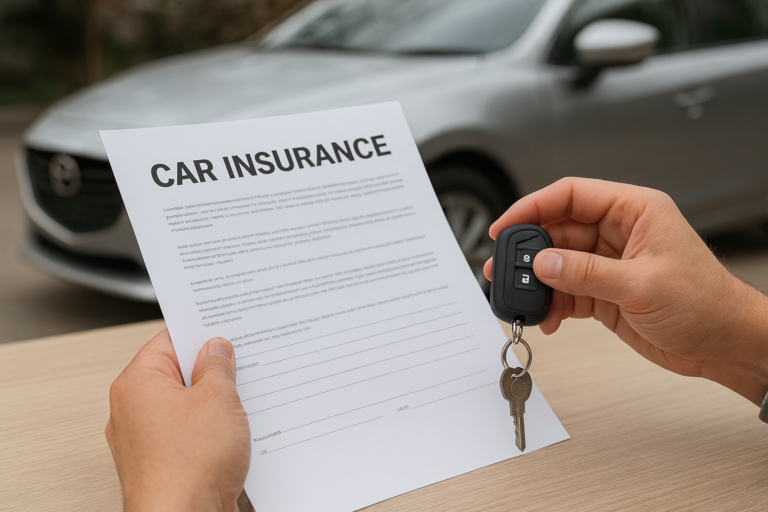
Buying your first car is an exciting milestone, but it also comes with new responsibilities. One of the biggest decisions you’ll make is choosing the right auto insurance policy. Most first-time drivers focus on monthly premiums, liability limits, and deductibles. However, one important feature that many beginners overlook is roadside assistance.
Although it is usually optional, roadside assistance can be one of the most valuable additions to your insurance policy. Car problems often happen without warning. A dead battery before work, a flat tire during a road trip, or accidentally locking your keys inside the car can quickly turn a normal day into a stressful experience.
Fortunately, roadside assistance offers fast professional help at a surprisingly affordable price. In many cases, adding this coverage to your insurance policy costs only a few dollars each month. Considering the cost of a single tow truck or emergency locksmith service, it can easily pay for itself after just one roadside emergency.
This guide explains everything first-time drivers need to know about affordable roadside assistance. You’ll learn what it covers, why it matters, how much it costs, how to avoid paying too much, and how to choose the best protection for your budget. Before choosing optional coverage, it’s also helpful to understand cheap first car insurance and how beginners can lower their overall premium.
What Is Roadside Assistance?
Roadside assistance is an optional service that provides emergency help when your vehicle cannot continue safely due to a mechanical issue or a minor roadside problem. Instead of searching for a towing company or mechanic during an emergency, you simply contact your roadside assistance provider, and they arrange help for you.
Unlike collision or comprehensive insurance, roadside assistance does not pay for accident repairs or vehicle damage. Instead, it focuses on getting you moving again as quickly and safely as possible.
Most insurance companies, auto clubs, and vehicle manufacturers offer some type of roadside assistance program. The services included may vary, but most plans provide the same essential emergency support.
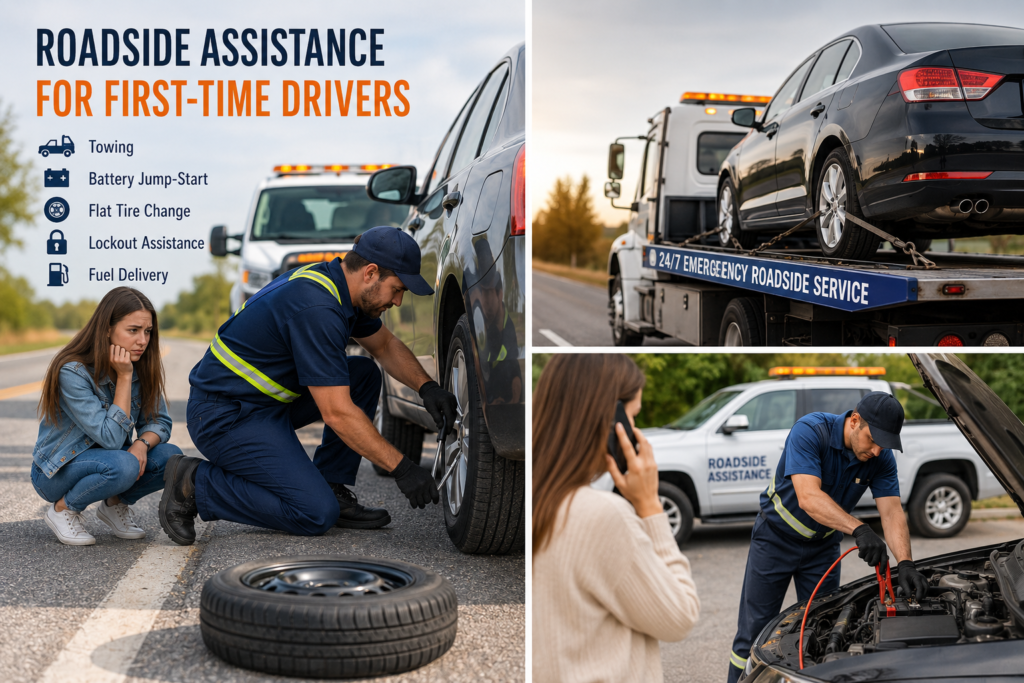
Typical roadside assistance services include:
- Towing your vehicle to a nearby repair shop
- Battery jump-start services
- Flat tire replacement using your spare tire
- Lockout assistance if your keys are inside the vehicle
- Emergency fuel delivery
- Minor roadside mechanical repairs when possible
- Winching if your vehicle gets stuck in mud or snow (depending on the policy)
Many providers also offer 24/7 customer support, allowing drivers to request assistance at any time of the day or night.
If you want to learn more about the services included in roadside assistance, you can visit AAA Roadside Assistance for a detailed overview.
Why Roadside Assistance Matters for First-Time Drivers
Experienced drivers often know how to handle common vehicle problems. They may already own jumper cables, portable tire inflators, or emergency tool kits. First-time drivers usually have less experience dealing with these situations.
For beginners, even a simple flat tire can become overwhelming.
Roadside assistance removes much of that uncertainty by providing immediate professional help. Instead of trying to solve the problem alone on the side of a busy highway, you can simply make one phone call.
This extra support also reduces safety risks. Standing beside a busy road while attempting repairs can be dangerous, especially at night or during bad weather. Professional roadside technicians are trained to work safely in these situations.
Parents also appreciate roadside assistance because it gives young drivers access to reliable emergency help whenever they need it.
Real-Life Example: A Small Monthly Cost That Saved Hundreds
Imagine Sarah, an 18-year-old college student who recently purchased her first used car. To save money, she selected only basic insurance coverage but decided to add roadside assistance for about $4 per month.
Three months later, while driving home from evening classes, her battery suddenly failed in a shopping center parking lot. Since she had roadside assistance, she simply called the emergency number provided by her insurer.
Within 35 minutes, a technician arrived, jump-started the battery, and checked that everything else was working properly.
If Sarah had called a local roadside service herself, she could have paid between $75 and $150 for the same visit. Instead, her inexpensive roadside assistance covered the service at no additional charge.
This is why many insurance experts recommend roadside assistance for first-time drivers. One emergency can easily cost far more than an entire year of roadside coverage.
Common Situations Where Roadside Assistance Helps
Many people think roadside assistance is only useful after a major breakdown. In reality, most roadside service calls involve simple problems that can happen to anyone.
Some of the most common situations include:
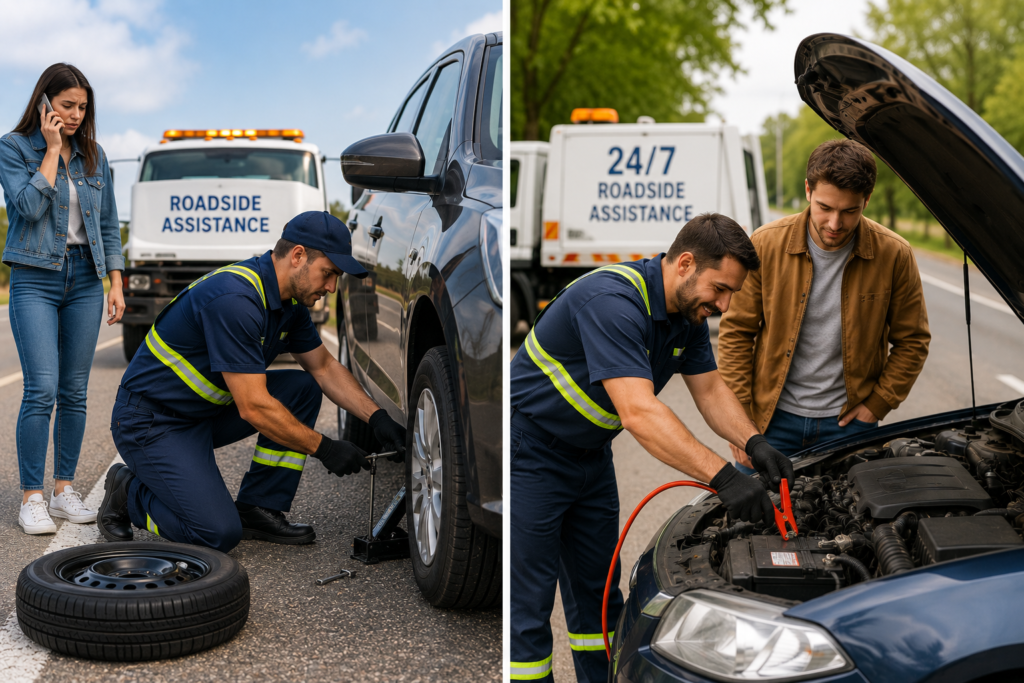
Dead Battery
Leaving your headlights on overnight or having an old battery suddenly fail is extremely common. A technician can safely jump-start your vehicle without requiring a tow.
Flat Tire
Even careful drivers cannot avoid nails, potholes, or road debris. If you don’t know how to change a tire safely, roadside assistance can replace it using your spare.
Locked Keys Inside the Car
Almost every driver locks their keys inside the vehicle at least once. Professional lockout services prevent expensive damage that may occur if you try unlocking the vehicle yourself.
Running Out of Fuel
Long road trips, unfamiliar areas, or faulty fuel gauges can cause drivers to run out of gas. Roadside assistance can deliver enough fuel to get you to the nearest gas station.
Unexpected Mechanical Problems
Sometimes your vehicle simply refuses to start. If technicians cannot repair the issue on-site, your vehicle can be safely towed to a nearby repair facility.
Why This Coverage Is More Valuable Than Many Beginners Realize
Many new drivers believe roadside assistance is an unnecessary expense because they expect their car to be reliable. However, breakdowns are not limited to old vehicles. Even newer cars can experience battery failures, tire damage, or electronic issues.
The biggest advantage isn’t just saving money—it’s saving time and reducing stress during an emergency. Knowing that professional help is available with a single phone call gives many first-time drivers greater confidence every time they get behind the wheel.
How Much Does Roadside Assistance Cost?
One of the biggest concerns for first-time drivers is whether roadside assistance will significantly increase their insurance premium. The good news is that it is usually one of the most affordable add-ons available.
In most cases, adding roadside assistance to an existing auto insurance policy costs between $2 and $8 per month. Premium roadside packages that include extra towing distance, trip interruption benefits, or concierge services may cost $10 to $20 per month.
However, the exact price depends on several factors, including:
- Your insurance company
- Your state
- Your driving history
- The type of vehicle you drive
- The level of roadside coverage you choose
- Whether you qualify for discounts
For many drivers, the annual cost of roadside assistance is less than the price of a single emergency tow truck service. For additional consumer guidance on auto insurance coverage and optional policy features, visit the Insurance Information Institute (III
Estimated Cost Comparison
| Coverage Type | Average Monthly Cost | Best For |
|---|---|---|
| Basic Roadside Assistance | $2–$5 | First-time drivers |
| Enhanced Roadside Coverage | $6–$10 | Daily commuters |
| Premium Driver Protection Plan | $10–$20 | Frequent travelers |
| One-Time Tow Without Coverage | $75–$250+ | Emergency only |
As you can see, paying a few dollars each month can help you avoid unexpected roadside expenses that may cost hundreds of dollars.
Best Ways to Get Affordable Roadside Assistance
Finding affordable roadside assistance is not only about choosing the cheapest plan. Instead, it means finding the best value for your needs. Here are some practical ways to save money without sacrificing important protection.
1. Add It to Your Existing Auto Insurance Policy
For most first-time drivers, the cheapest option is to add roadside assistance to an existing auto insurance policy.
Insurance companies usually offer discounted rates because they already insure your vehicle. Instead of purchasing a separate roadside membership, you pay only a small additional monthly fee.
This option is simple, convenient, and often provides enough protection for everyday driving.
2. Compare Multiple Insurance Companies
Not every insurer charges the same price for roadside assistance.
One company may include towing up to 15 miles, while another covers up to 100 miles for nearly the same monthly cost.
Before purchasing coverage, compare:
- Monthly price
- Towing distance
- Number of service calls allowed
- Lockout coverage
- Fuel delivery limits
- Battery replacement services
- Availability of mobile app support
Spending a few extra minutes comparing policies can save money while giving you better protection.
3. Avoid Paying for Duplicate Coverage
Many drivers unknowingly pay for roadside assistance more than once.
For example, you might already receive emergency roadside services through:
- Your new vehicle warranty
- A credit card benefit
- Your vehicle manufacturer
- A family membership plan
- An auto club membership
Furthrmore, Before buying another roadside assistance plan, check whether you already have similar benefits.
Paying twice for the same service only increases your expenses without adding extra value. Paying twice for the same service only increases your expenses without adding extra value. If you use your personal vehicle for deliveries or side gigs, you should also understand auto insurance for online sellers to make sure you have the right coverage.
4. Choose Coverage That Matches Your Driving Habits
Moreover, Not every driver needs the most expensive roadside assistance package.
If you mostly drive to school, work, or nearby stores, basic roadside coverage is often enough.
However, if you frequently travel long distances or take road trips across multiple states, a higher-level plan with longer towing distances may provide better value.
Buying only the protection you actually need helps keep your insurance affordable.
5. Bundle Your Insurance Policies
Many insurance companies offer discounts when you bundle multiple policies together.
For example, combining:
- Auto insurance
- Renters insurance
- Homeowners insurance
- Motorcycle insurance
may reduce your overall premium.
Even if roadside assistance itself isn’t discounted, your total insurance costs may decrease through bundle savings.
6. Ask About Student and Safe Driver Discounts
Many first-time drivers qualify for discounts without realizing it.
Insurance companies often reward:
- Good students
- Drivers who complete defensive driving courses
- Safe drivers with clean records
- Drivers using telematics programs
- Low-mileage drivers
Lower insurance premiums make adding roadside assistance even more affordable.
Always ask your insurance agent which discounts you qualify for before purchasing your policy.
7. Review Your Coverage Every Year
Your insurance needs change over time.
As you gain driving experience, improve your credit (where applicable), or switch vehicles, you may qualify for lower insurance rates.
Reviewing your policy annually helps ensure you’re not paying more than necessary for roadside protection.
Roadside Assistance vs. Driver Protection Plan
Many first-time drivers confuse roadside assistance with a driver protection plan. Although they sound similar, they are not exactly the same.
Roadside assistance focuses specifically on emergency roadside services.
A driver protection plan often includes roadside assistance plus additional travel-related benefits.
These extra benefits may include:
- Trip interruption reimbursement
- Rental car assistance
- Extended towing limits
- Travel expense reimbursement
- Mechanical breakdown benefits
- Concierge services
While these upgrades may be useful for frequent travelers, most beginner drivers don’t need every premium feature.
Starting with basic roadside assistance is usually the smartest financial decision.
You can always upgrade your coverage later if your driving habits change.
Real-Life Example: Comparing Two Drivers
Consider two first-time drivers, Alex and Michael.
Alex decided to save money by skipping roadside assistance because his car was only two years old. A few months later, he hit a large pothole on his way to work, causing a flat tire. Since he wasn’t comfortable changing it himself, he had to call a local towing company.
The service cost him more than $120.
Michael, on the other hand, added roadside assistance to his insurance policy for around $5 per month.
When he experienced a similar flat tire later that year, a roadside technician arrived within an hour, replaced the tire using his spare, and he paid nothing extra.
Although both drivers experienced nearly identical problems, Michael spent far less because he invested in affordable roadside coverage before the emergency happened.
Mistakes First-Time Drivers Should Avoid
Many beginners make purchasing decisions based only on price. However, the cheapest policy isn’t always the best value.
Avoid these common mistakes:
- Choosing coverage without reading the policy details.
- Paying for roadside assistance from multiple providers.
- Ignoring towing distance limits.
- Buying premium plans with benefits you’ll never use.
- Forgetting to ask about available discounts.
- Assuming every roadside plan offers the same services.
- Waiting until after a breakdown to think about emergency coverage.
A few minutes of research today can save hundreds of dollars later.
How to Choose the Best Roadside Assistance Provider
Not every roadside assistance provider offers the same level of service. While price is important, reliability and response time matter even more when you’re stranded on the side of the road.
Before adding roadside assistance to your insurance policy, compare the following factors carefully.
1. Response Time
A low-cost plan isn’t a good value if help takes several hours to arrive. Look for providers with a strong reputation for fast response times, especially if you often drive in busy cities or travel long distances.
2. Towing Distance
Some basic plans only tow your vehicle a few miles, while others provide towing up to 50, 100, or even 200 miles.
If you frequently travel outside your local area, choosing a plan with a longer towing distance can save you hundreds of dollars during an emergency.
3. Number of Service Calls
Many roadside assistance plans limit the number of emergency calls you can make each year.
Before purchasing a policy, check:
- Annual service call limits
- Whether extra calls require additional fees
- Any restrictions on specific services
4. Availability
Roadside emergencies don’t follow a schedule.
Choose a provider that offers:
- 24/7 customer support
- Nationwide coverage
- Mobile app assistance
- GPS tracking for service vehicles
These features make requesting help faster and less stressful.
5. Customer Reviews
Reading customer reviews can help you understand how a company performs during real emergencies.
Pay attention to comments about:
- Response times
- Customer service
- Ease of making claims
- Technician professionalism
- Overall satisfaction
Choosing a provider with consistently positive feedback can give you greater confidence when you need help the most.
When Should You Upgrade Beyond Basic Roadside Assistance?
Basic roadside assistance is enough for many first-time drivers. However, some situations may justify upgrading to a more comprehensive protection plan.
You may benefit from enhanced coverage if you:
- Drive more than 15,000 miles each year.
- Frequently travel across different states.
- Own an older vehicle that may require more roadside support.
- Commute long distances every day.
- Often drive late at night.
- Travel in rural areas where towing services are expensive.
If none of these situations apply to you, a basic roadside assistance plan will usually provide excellent value.
Additional Safety Tips for First-Time Drivers
Roadside assistance is an excellent safety net, but preventing emergencies is always better than dealing with them.
Developing a few simple habits can reduce the chances of needing roadside assistance in the first place.
Check Tire Pressure Regularly
Underinflated tires wear out faster and are more likely to fail unexpectedly.
Checking your tire pressure once a month can improve both safety and fuel efficiency.
Replace Old Batteries Before They Fail
Most car batteries last between three and five years.
If your battery is getting older, replacing it before winter can help prevent unexpected breakdowns.
Never Ignore Warning Lights
Dashboard warning lights are your vehicle’s way of telling you something needs attention.
Ignoring them may turn a small repair into a much larger and more expensive problem.
Keep an Emergency Kit
Every vehicle should include basic emergency supplies, such as:
- Flashlight
- Phone charger
- Drinking water
- First-aid kit
- Reflective warning triangle
- Blanket
- Tire pressure gauge
Even if you have roadside assistance, these items can make waiting for help much safer and more comfortable.
Save Your Roadside Assistance Number
Many drivers don’t realize they have roadside assistance until after an emergency happens.
Save the emergency phone number in your contacts and install your provider’s mobile app if one is available.
Doing this ahead of time can save valuable minutes during a stressful situation.
Frequently Asked Questions
Is roadside assistance worth it for first-time drivers?
Yes. First-time drivers are more likely to benefit from roadside assistance because they may have less experience dealing with flat tires, dead batteries, or vehicle breakdowns. For a small monthly cost, it provides valuable peace of mind and emergency support.
Does roadside assistance increase insurance premiums significantly?
No. In most cases, roadside assistance costs only $2 to $8 per month when added to an existing auto insurance policy. The exact cost depends on your insurer, location, and coverage level.
Can I buy roadside assistance without auto insurance?
Yes. Some auto clubs and vehicle service providers offer standalone roadside assistance memberships. However, adding it to your current insurance policy is often the more affordable option.
Does roadside assistance cover every type of breakdown?
Not always. Most plans cover common roadside emergencies such as towing, flat tires, battery jump-starts, lockouts, and fuel delivery. Major mechanical repairs are generally not included.
How many times can I use roadside assistance each year?
It depends on your provider. Some companies offer unlimited service calls, while others limit the number of claims you can make annually. Always review your policy before purchasing coverage.
Is roadside assistance available 24/7?
Most major providers offer 24-hour roadside assistance throughout the United States. However, response times may vary depending on your location, weather conditions, and service demand.
Should I choose roadside assistance or a driver protection plan?
If you’re a first-time driver with a limited budget, roadside assistance is usually the better starting point. You can always upgrade to a broader driver protection plan later if your driving habits change.
Can roadside assistance help if I lock my keys inside my car?
Yes. Most roadside assistance plans include lockout services. A trained technician can help unlock your vehicle safely without causing unnecessary damage.
Final Thoughts
Roadside assistance is one of the most affordable ways to protect yourself as a first-time driver. While no one expects a breakdown, emergencies such as flat tires, dead batteries, or lockouts can happen when you least expect them. Having reliable roadside support means you won’t have to face these situations alone.
The key is choosing a plan that matches your driving habits and budget. Compare providers, understand what your policy includes, avoid paying for duplicate coverage, and take advantage of available discounts whenever possible.
For most new drivers, a basic roadside assistance plan offers an excellent balance between cost and protection. As your driving experience grows or your travel needs change, you can always upgrade to more comprehensive coverage if necessary.
By making a smart decision today, you’ll not only reduce unexpected expenses but also gain greater confidence every time you get behind the wheel.
🔥 SEO Suggestions (Publish Karne Se Pehle)
Internal Links (2–3)
Is post mein naturally in topics par internal links add karna:
- Cheap First Car Insurance: How New Drivers Can Save Money in the US
- Auto Insurance for Online Sellers
- Agar future mein likho: How to Compare Car Insurance Quotes
External Links (2)
Authority websites ko link do:
- AAA Roadside Assistance
- Insurance Information Institute (II
About the Author