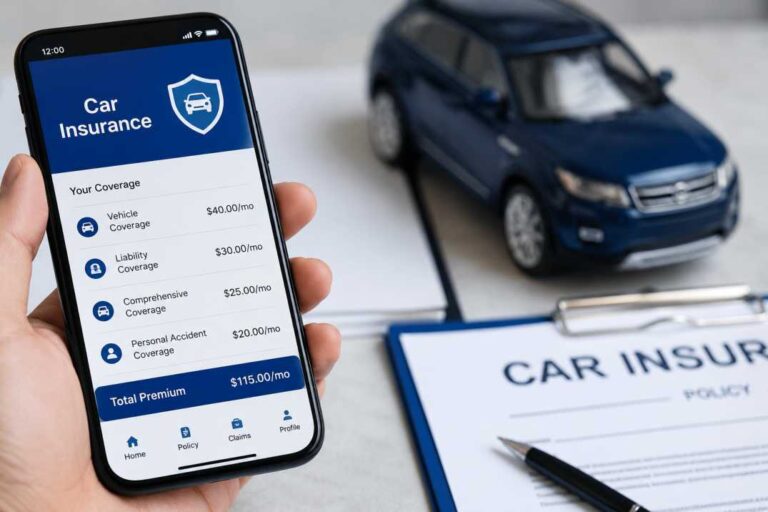
New drivers can save money on car insurance by comparing quotes, choosing safe vehicles, and using available discounts.
Introduction: Car Insurance Requirements 2026 for New Drivers
If you are getting your first car or license in 2026, understanding car insurance requirements 2026 is one of the most important steps before you start driving. Every U.S. state has its own rules, and in 2026 many states updated their minimum car insurance limits to reflect higher medical and repair costs.
This guide explains state minimum car insurance in simple language so beginners can stay legal, avoid fines, and protect their finances. You will learn what state minimum car insurance is, what changed in 2026, how rules differ across major states, and which coverages are best for first‑time drivers.
Why Car Insurance Requirements 2026 Matter
Car insurance is not just a formality; it is a legal requirement in almost every state and a key financial safety net if something goes wrong. In 2026, updated insurance rules make it even more important for new drivers to understand what coverage they are buying.
If you drive without meeting your state’s minimum car insurance requirements, you may face:
- Fines and penalties
- License suspension
- Vehicle registration suspension or impound
Beyond legal issues, proper coverage protects you from paying huge out‑of‑pocket costs after an accident. Medical bills, car repairs, and legal fees can quickly add up to tens of thousands of dollars, often far more than a beginner expects.
The Insurance Information Institute notes that every state sets its own minimum liability limits, and they vary widely across the country. That is why understanding your state’s rules is essential before you choose a policy.
What Is State Minimum Car Insurance?
State minimum car insurance is the lowest amount of coverage you must carry to drive legally in that state. It is designed to provide a basic level of protection to other people if you cause an accident.
In most states, minimum car insurance includes:
- Bodily injury liability (BI):Pays for injuries you cause to other people in an at‑fault accident, such as medical bills and sometimes lost wages and legal costs.
- Property damage liability (PD):Pays for damage you cause to someone else’s property, usually another vehicle, but also things like buildings, fences, or mailboxes.
- Uninsured / underinsured motorist (UM/UIM) coverage (in some states):Pays for your injuries and sometimes property damage if you are hit by a driver who has no insurance or not enough insurance.
New drivers often choose state minimum car insurance because:
- It is the cheapest legal option
- The coverage is simple and easy to understand
- It satisfies basic state requirements
However, minimum coverage may not be enough in a serious accident. If the claim costs more than your limits, you must pay the remaining amount yourself. That is why many experts advise new drivers to use minimum coverage only as a starting point, not as the final goal.
2026 Updates in Car Insurance Laws
In 2026, several states updated their car insurance requirements to better reflect real‑world accident costs. Many of these changes focused on increasing minimum liability limits and strengthening protection for people injured in crashes.
Key trends in 2026 include:
- Higher minimum liability limits in multiple states
- Stronger rules around uninsured and underinsured motorist coverage in some regions
- Continued focus on personal injury protection (PIP) in no‑fault states
States like California, Texas, and Florida adjusted coverage rules in response to rising medical and repair costs. Some states also required insurers to give clearer information about coverage, so new drivers can better understand what they are buying and whether it truly protects them.
Because specific numbers and limits can change, you should always check the latest information from your state’s department of insurance or DMV before you buy a policy.
State Minimum Car Insurance: Overview for Major States
Below is a simple, beginner‑friendly overview of how state minimum car insurance works in four major states. Exact limits can change, so always confirm the latest rules from an official source or a trusted site like DMV.org that links to state resources.
California: Higher Liability and Strong UM Focus
California has traditionally required liability insurance, and over time its minimum limits have been adjusted upward to offer better financial protection to accident victims.
In 2026, California:
- Emphasizes higher liability minimums compared to some states
- Gives strong importance to uninsured and underinsured motorist coverage due to traffic density and accident risk in large cities
For new drivers in California, relying only on the bare minimum can be risky. Many choose slightly higher liability limits and consider adding UM/UIM, medical coverage, and physical damage coverage for their own car.
Texas: Moderate Requirements with Flexible Add‑Ons
Texas has what many people consider “moderate” minimum liability requirements, but accident costs can still exceed these limits, especially in serious crashes.
In Texas:
- Drivers must carry the state’s required liability limits
- Additional coverages like collision, comprehensive, UM/UIM, and medical payments are optional but highly recommended, especially for newer vehicles
First‑time drivers in Texas often benefit from increasing their liability limits beyond the minimum and adding uninsured motorist coverage and collision coverage if they drive a financed or new car.
Florida: No‑Fault System with PIP
Florida operates under a no‑fault insurance system, which works differently from traditional at‑fault states. Under no‑fault rules, each driver’s own insurance generally helps pay for their medical expenses, regardless of who caused the accident.
Florida’s system relies heavily on:
- Personal Injury Protection (PIP):PIP helps cover medical expenses and sometimes lost wages for you and your passengers, regardless of fault.
- Property damage liability requirements for damage you cause to others’ property
Rules in Florida can be confusing for beginners because bodily injury liability requirements have historically differed from many other states. This makes it important for new drivers to carefully review Florida’s current 2026 requirements on official state websites.
New York: Higher Limits and No‑Fault Protection
New York typically requires higher minimum liability limits than many other states and also uses a form of no‑fault system. This combination aims to give drivers stronger protection in a dense, high‑traffic environment.
In New York:
- Liability coverage, PIP, and uninsured motorist coverage all play key roles
- Minimum limits are designed to offer more robust protection than in some low‑limit states
For new drivers, this means better default protection but also potentially higher premiums. Still, sticking only to the minimum can be risky in severe accidents, so many drivers choose to increase limits above the legal minimum.
Quick Comparison: How States Differ
Here is a simple conceptual comparison of how these four states handle minimum coverage and key features (not exact numbers, which you should verify on official sites).
| State | System Type | Key Required Coverage Focus | Typical Trend in 2026 |
|---|---|---|---|
| California | At‑fault | Liability, strong emphasis on UM/UIM | Higher liability limits, UM/UIM importance |
| Texas | At‑fault | Liability, optional UM/UIM, collision | Moderate minimums, flexible add‑ons |
| Florida | No‑fault | PIP and property damage liability | No‑fault focus, PIP central |
| New York | No‑fault + higher min | Liability, PIP, UM coverage | Higher limits for stronger protection |
Again, this is only a simplified overview. For exact dollar amounts and legal language, always check your state’s official website.
Best Coverage Options for First‑Time Drivers in 2026
Meeting your state’s minimum is the starting line, not the finish line. For better financial safety, most new drivers should consider additional coverages beyond the minimum car insurance requirements 2026.
1. Collision Coverage
Collision coverage pays for damage to your car if you are involved in a collision with another vehicle or object, regardless of who is at fault.
It is especially important if:
- Your car is new or relatively valuable
- Your car is financed or leased (lenders usually require it)
Without collision, you may have to pay for your own repairs or replacement out of pocket if you cause the crash.
2. Comprehensive Coverage
Comprehensive coverage protects your car from non‑collision events, such as:
- Theft
- Vandalism
- Fire
- Flood, hail, or other weather damage
- Falling objects or animal strikes
For first‑time drivers with newer vehicles or those living in high‑crime or severe‑weather areas, comprehensive coverage is often a smart add‑on.
3. Uninsured / Underinsured Motorist Coverage (UM/UIM)
Uninsured drivers remain a serious issue in the U.S. According to data referenced by the National Highway Traffic Safety Administration (NHTSA) and other studies, significant portions of drivers in some states have no insurance at all.
UM/UIM coverage:
- Helps pay for your medical expenses and sometimes property damage if an at‑fault driver has no insurance or too little insurance
- Can cover you and your passengers, depending on your policy and state law
For new drivers, UM/UIM is a key protection against other people’s bad decisions on the road.
4. Medical Payments or Personal Injury Protection (PIP)
Depending on your state:
- For example, Medical Payments (MedPay) may provide limited coverage for medical expenses for you and your passengers, regardless of who is at fault.
- In addition, Personal Injury Protection (PIP), often required in no-fault states, can cover medical bills, lost wages, and other related costs after an accident.
- Therefore, understanding which coverage your state requires can help you choose the right policy and avoid unexpected expenses after an accident
Moreover, These coverages help ensure that you can get medical care quickly without worrying about who caused the crash or waiting for liability claims to settle.
Cost‑Saving Tips for Starter Auto Insurance in 2026
As a new driver, you probably want solid protection without breaking your budget. Here are practical ways to reduce the cost of your first policy while still respecting car insurance requirements 2026.
- Compare multiple insurance companiesDo not accept the first quote you see. Get quotes from several insurers or use online comparison tools. Different companies rate new drivers differently, so prices can vary a lot for the same coverage.
- Choose a higher deductible (if you can afford it)For collision and comprehensive coverage, a higher deductible usually means a lower monthly premium. Just make sure you can afford to pay that deductible out of pocket if you have a claim.
- Maintain a clean driving recordAvoid speeding tickets, reckless driving, and at‑fault accidents. Insurers reward safe drivers with lower rates, and violations can increase your premiums for years.
- Bundle policies for discountsIf you or your family have home, renters, or condo insurance, check if you can bundle your auto insurance with the same company. Many insurers offer multi‑policy discounts that can significantly cut costs.
- Take advantage of discountsSome common discounts include:
- Good student discounts for drivers with strong grades
- Low‑mileage discounts if you do not drive very far each year
- Telematics or usage‑based programs that track driving habits and reward safe driving
Moreover, Using these strategies, new drivers can often afford better coverage than just the bare minimum, while still keeping monthly costs under control.
Safety and Risk Insights for New Drivers
NHTSA data shows that new and young drivers tend to have higher accident rates than more experienced drivers, especially in their first years on the road. At the same time, uninsured drivers remain a significant risk in many states.
This combination makes proper coverage even more important for beginners. Good insurance plus good habits work together:
- Firstly, Safe driving (no texting, no speeding, no drunk driving) reduces accidents and keeps premiums lower
- Wearing seat belts and following traffic laws protects your health and your wallet
- Avoiding high‑risk behavior, such as racing or aggressive driving, lowers the chance of serious crashes and expensive claims
Understanding car insurance requirements 2026 is not just about ticking a legal box. It is about protecting your future finances and reducing stress when something unexpected happens on the road.
How to Check Your State’s 2026 Requirements
Because each state can change its rules and limits, the safest way to confirm your obligations is to check official sources. Here is a simple process:
- Search for your state’s Department of Motor Vehicles (DMV) or Department of Insurance website (for example, “Texas auto insurance minimum 2026”).
- Look for the section on required auto or motor vehicle insurance. It should list the minimum liability limits and any required PIP or UM/UIM coverage.
- You can also visit websites like DMV.org, which provide state‑by‑state overviews and links to official resources.
- When you get a quote from an insurer or agent, ask them to confirm that your policy meets or exceeds your state’s current 2026 minimums.
Doing this check takes only a few minutes but can save you from serious legal and financial problems later.
Final Thoughts: Smart First Policy for 2026
In 2026, many states increased their minimum car insurance limits and refined their rules to better match real accident costs and medical expenses. As a result, for new drivers, this means you cannot just buy the cheapest policy without understanding what it covers.
To build a smart first policy:
- First, start by learning your state’s minimum car insurance requirements 2026.
- Next, consider raising your liability limits above the minimum.
- Additionally, add collision, comprehensive, and uninsured motorist coverage if your budget allows.
- Meanwhile, compare different insurance providers to find the best value.
- Finally, use discounts, higher deductibles, and comparison shopping to keep costs manageable.
These steps can help you stay legally protected while also improving your financial security on the road.
By doing this, you stay legal on the road and also protect yourself from large unexpected bills after an accident.
About the Author