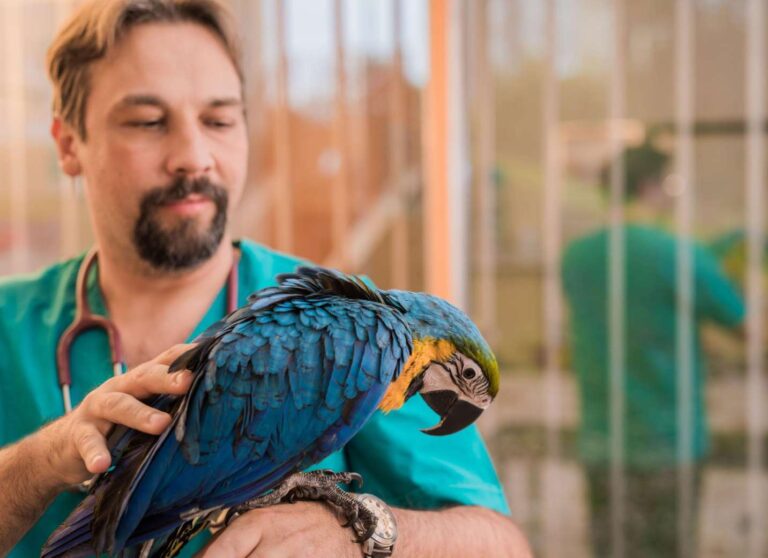

Proper packaging and careful handling help reduce shipping risks for live exotic animals.
Exotic pet insurance pre existing conditions play a key role in deciding whether a future claim will be paid. If you own a rabbit, parrot, reptile, ferret, hedgehog, or another exotic animal, understanding how insurance companies handle pre-existing conditions can save you from unexpected claim denials and costly veterinary bills.
Unlike dogs and cats, exotic pets insurance often require specialized veterinary care, advanced diagnostics, and unique treatment plans. As a result,exotic pet insurance providers carefully review an animal’s medical history before approving coverage. In many cases, conditions that existed before your policy began may not be covered.
This guide explains how insurers define pre-existing conditions, how look-back periods work, the difference between curable and incurable conditions, and practical strategies to improve your chances of receiving coverage and claim approval.

Why Pre Existing Conditions Matter in Exotic Pet Insurance
Many pet owners assume that once they purchase exotic pet insurance, all future medical expenses will be covered. However, insurance companies generally exclude health issues that existed before coverage started.
For exotic pets insurance, this rule is especially important because many species naturally hide signs of illness. By the time symptoms become visible, the condition may already be advanced.
Therefore, insurers investigate whether a disease, injury, or symptom was present before the policy became active. If they determine that a condition existed earlier, claims related to that issue may be denied.
Understanding these rules before purchasing a policy helps you make informed decisions and avoid disappointment during emergencies.
What Is a Pre Existing Condition?
A pre-existing condition refers to any illness, injury, disease, symptom, abnormality, or medical concern that existed before insurance coverage started or during the policy waiting period.
Insurance companies may classify a condition as pre-existing even if:
- A veterinarian never officially diagnosed it.
- Treatment was never completed.
- Symptoms appeared only once.
- The issue seemed minor at the time.
- The pet appeared healthy when coverage began.
In other words, insurers often focus on evidence that the condition existed before coverage rather than whether a formal diagnosis was made.
Examples of Potential Pre Existing Conditions
These may include:
- Previous infections
- Chronic digestive disorders
- Respiratory problems
- Skin conditions
- Mobility issues
- Fractures
- Dental disease
- Tumors
- Metabolic disorders
- Behavioral issues linked to medical problems
Even a single veterinary note mentioning symptoms can affect future coverage decisions.
Why Exotic Pets Face Greater Insurance Challenges
Exotic animals differ significantly from traditional household pets.
Many species require:
- Specialized veterinary expertise
- Unique diets
- Controlled temperatures
- Specific lighting systems
- Specialized habitats
Because of these requirements, exotic animals may develop species-specific health issues that insurers monitor closely.
For example:
- Rabbits commonly suffer digestive and dental disorders.
- Parrots frequently experience respiratory and feather-related conditions.
- Reptiles often develop metabolic bone disease.
- Ferrets may experience adrenal disease and insulinoma.
- Turtles can suffer shell injuries and infections.
Since these conditions are common, insurers pay close attention to any previous signs that may indicate an ongoing health issue.
How Insurance Companies Identify Pre Existing Conditions
When reviewing applications or claims, insurers use several methods to determine whether a condition existed before coverage started.
1. Veterinary Medical Records
The most important source of information is your pet’s veterinary history.
Insurers review:
- Examination notes
- Laboratory results
- Diagnostic imaging
- Prescriptions
- Surgical records
- Follow-up visits
- Referral reports
If a veterinarian documented symptoms before the policy began, the insurer may classify the condition as pre-existing.
Therefore, accurate and complete records are extremely important.
2. Previous Diagnoses
Any documented diagnosis made before enrollment will likely be considered pre-existing.
Examples include:
- Chronic respiratory disease
- Dental disease
- Bone disorders
- Kidney disease
- Liver disease
- Heart conditions
These diagnoses often remain excluded throughout the life of the policy.
3. Symptom History
Many insurers consider symptoms just as important as diagnoses.
For example:
- Loss of appetite
- Weight loss
- Chronic coughing
- Repeated sneezing
- Lethargy
- Poor shedding
- Feather loss
Even if no diagnosis was made, recurring symptoms may indicate an underlying condition that predates coverage.
4. Medication Records
Current or previous medications may signal a pre-existing condition.
Insurers may review prescriptions for:
- Antibiotics
- Pain medication
- Anti-inflammatory drugs
- Hormonal treatments
- Nutritional supplements
Repeated prescriptions often suggest an ongoing health problem.
Understanding Look Back Periods
A look-back period is the timeframe insurers examine before the policy’s effective date.
During this review, they search for evidence of:
- Illness
- Symptoms
- Injuries
- Veterinary treatment
- Diagnostic testing
If evidence appears within the look-back period, the insurer may classify the condition as pre-existing.
Why Look Back Periods Matter
Suppose your rabbit experienced digestive issues three months before enrollment.
Even if the rabbit appears healthy when you purchase insurance, the insurer may still exclude future digestive claims if the issue falls within the look-back period.
This is why enrolling pets while they are healthy can be beneficial.
Typical Review Factors
Insurers may evaluate:
- Date of symptoms
- Severity of illness
- Veterinary recommendations
- Frequency of treatment
- Recovery status
The exact rules vary between providers.
Curable vs Incurable Pre Existing Conditions
Some insurers divide pre-existing conditions into two categories.
Curable Conditions
Curable conditions are temporary health issues that fully resolve.
Examples include:
- Minor infections
- Small wounds
- Temporary digestive upset
- Short-term respiratory infections
- Minor injuries
Certain insurers may eventually cover these conditions if:
- Treatment is completed.
- Symptoms disappear.
- A waiting period passes.
- No recurrence occurs.
This can provide future coverage opportunities for previously affected pets.
Incurable Conditions
Incurable conditions are long-term or chronic illnesses that are unlikely to disappear completely.
Examples include:
- Chronic arthritis
- Metabolic bone disease
- Diabetes
- Heart disease
- Chronic respiratory disease
- Kidney disease
These conditions are often permanently excluded because they require ongoing medical care.
Species-Specific Pre Existing Conditions
Rabbit Insurance and Pre Existing Conditions
Rabbits are among the most commonly insured exotic pets.
Common Rabbit Health Problems
- Gastrointestinal stasis
- Dental overgrowth
- Dental abscesses
- Ear infections
- Respiratory infections
- Obesity-related conditions
Because digestive disorders are common, insurers closely examine any history involving:
- Appetite loss
- Diarrhea
- Soft stools
- Dental trimming
- Weight fluctuations
Previous treatment for these issues may affect future coverage.
Rabbit Insurance Tips
- Schedule regular dental exams.
- Maintain detailed medical records.
- Seek treatment immediately when symptoms appear.
- Purchase insurance early in life.
Bird and Parrot Insurance
Birds and parrots often live for decades, making long-term insurance planning especially important.
Common Bird Health Issues
- Respiratory disease
- Feather plucking
- Nutritional deficiencies
- Beak abnormalities
- Liver disease
- Fungal infections
Insurers often review:
- Breathing difficulties
- Feather condition
- Previous infections
- Weight changes
- Behavioral changes
Any documented concerns before enrollment may be treated as pre-existing.
Bird Owner Recommendations
- Provide balanced nutrition.
- Schedule annual wellness exams.
- Keep copies of veterinary reports.
- Address health concerns immediately.
Reptile Insurance and Pre Existing Conditions
Reptiles require highly specialized care, making insurance underwriting more complex.
Common Reptile Health Problems
- Metabolic bone disease
- Respiratory infections
- Parasites
- Shedding disorders
- Nutritional deficiencies
- Thermal injuries
Insurers often review husbandry records and veterinary notes regarding:
- UVB lighting
- Heating systems
- Feeding history
- Bone development
- Appetite changes
Even minor signs may influence future claim decisions.
Reptile Insurance Advice
- Maintain proper habitat conditions.
- Document husbandry practices.
- Keep receipts for equipment.
- Schedule preventative veterinary visits.
Ferret Insurance
Ferrets are increasingly popular exotic pets.
Common Ferret Conditions
- Adrenal disease
- Insulinoma
- Heart disease
- Gastrointestinal disorders
- Lymphoma
Because these conditions often develop gradually, insurers may examine historical symptoms very carefully.
Hedgehog Insurance
Hedgehogs can experience:
- Obesity
- Dental disease
- Tumors
- Neurological disorders
- Skin infections
Early documentation and preventative care can improve insurance outcomes.
What Exotic Pet Insurance Typically Covers
Most policies may provide coverage for:
Emergency Care
Unexpected illnesses and injuries requiring immediate treatment.
Diagnostic Testing
Including:
- Blood work
- Ultrasounds
- X-rays
- CT scans
- Laboratory testing
Surgery
Coverage may include:
- Emergency procedures
- Tumor removal
- Fracture repair
- Internal surgeries
Hospitalization
Many plans help pay for:
- Overnight monitoring
- Intensive care
- Recovery treatment
Prescription Medications
Coverage may extend to:
- Antibiotics
- Pain management
- Specialized treatments
Follow-Up Care
Some policies include:
- Recheck examinations
- Recovery monitoring
- Post-surgical treatment
Common Exclusions Beyond Pre Existing Conditions
Even comprehensive policies have exclusions.
These may include:
- Breeding-related costs
- Cosmetic procedures
- Experimental treatments
- Preventable diseases
- Neglect-related injuries
- Routine grooming
- Elective procedures
Always read the policy wording carefully before purchasing coverage.
How to Improve Your Chances of Claim Approval
Enroll Your Pet Early
The younger and healthier your pet is, the fewer pre-existing concerns insurers can identify.
Maintain Complete Medical Records
Keep copies of:
- Examination reports
- Lab results
- Prescriptions
- Vaccination records
- Imaging reports
Attend Regular Wellness Exams
Routine checkups create a clear health history and demonstrate responsible ownership.
Understand Waiting Periods
Know when coverage begins and what conditions are excluded during the waiting period.
Ask Detailed Questions
Before buying a policy, ask:
- How are pre-existing conditions defined?
- What is the look-back period?
- Are curable conditions reconsidered?
- What exclusions apply to my species?
Compare Multiple Policies
Evaluate:
- Annual limits
- Reimbursement rates
- Deductibles
- Waiting periods
- Species-specific exclusions
Costs of Exotic Pet Insurance
Premiums vary based on:
- Species
- Age
- Health history
- Location
- Coverage level
- Deductible amount
Generally:
| Species | Typical Relative Cost |
|---|---|
| Rabbits | Lower |
| Ferrets | Moderate |
| Small Birds | Moderate |
| Large Parrots | Higher |
| Reptiles | Variable |
| Rare Exotic Species | Higher |
Comparing multiple quotes helps identify the best value.
Frequently Asked Questions (FAQs)
Can exotic pets get insurance with pre-existing conditions?
Yes. Many insurers will still provide coverage, but the pre-existing condition itself may be excluded.
Will a cured condition remain excluded forever?
Not always. Some insurers reconsider curable conditions after a symptom-free period.
Can symptoms count as a pre-existing condition?
Yes. Many insurers evaluate symptoms even when no diagnosis was made.
What if my veterinarian made a mistake in the records?
You can request corrections or clarification from your veterinarian before filing a claim.
Is insurance worth it for exotic pets?
For many owners, yes. Specialized veterinary treatment can be expensive, and insurance may help reduce unexpected costs.
When is the best time to buy exotic pet insurance?
The best time is when your pet is young and healthy, before any symptoms or illnesses appear.
Conclusion
Understanding exotic pet insurance pre existing conditions is essential before purchasing coverage for rabbits, parrots, reptiles, ferrets, hedgehogs, and other exotic pet insurance. Insurance companies carefully review veterinary records, symptom histories, diagnoses, and look-back periods to determine whether a condition existed before coverage began.
By enrolling early, maintaining detailed veterinary records, attending regular wellness exams, and comparing policy terms carefully, you can improve your chances of obtaining meaningful protection and avoiding unexpected claim denials. Taking these steps today can help ensure that your exotic companion receives the care they need while reducing financial stress when medical emergencies occur.
About the Author