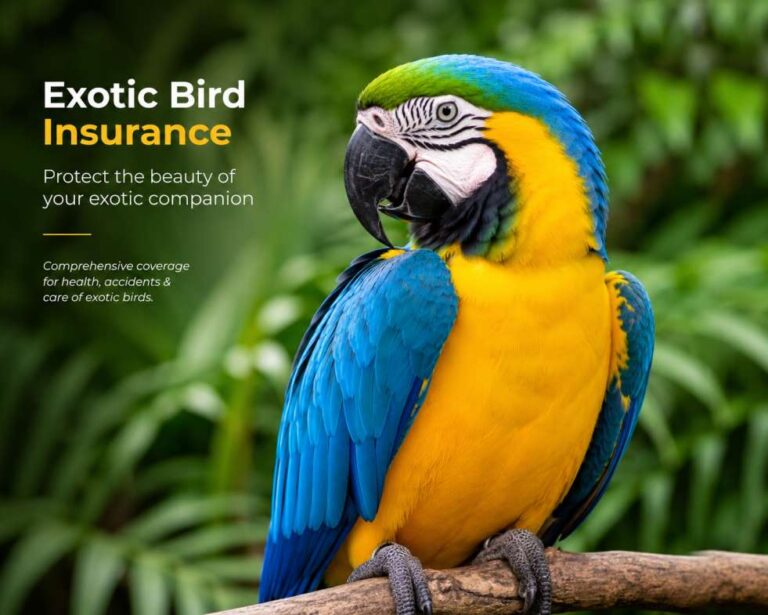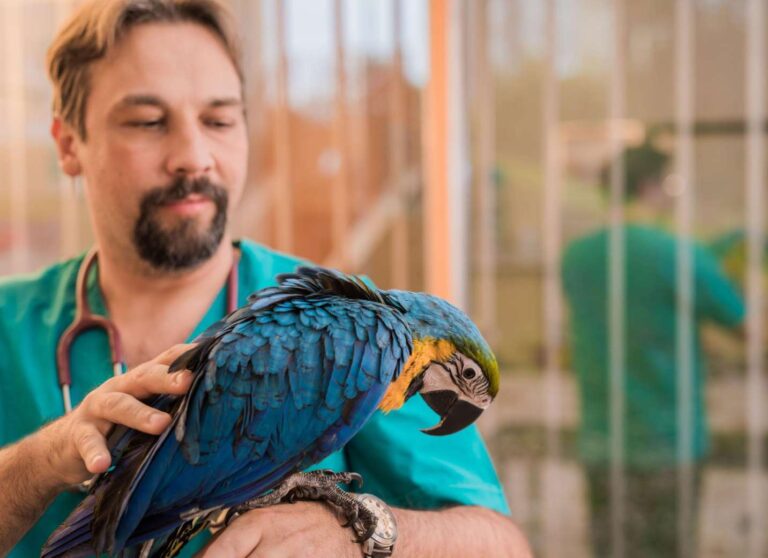
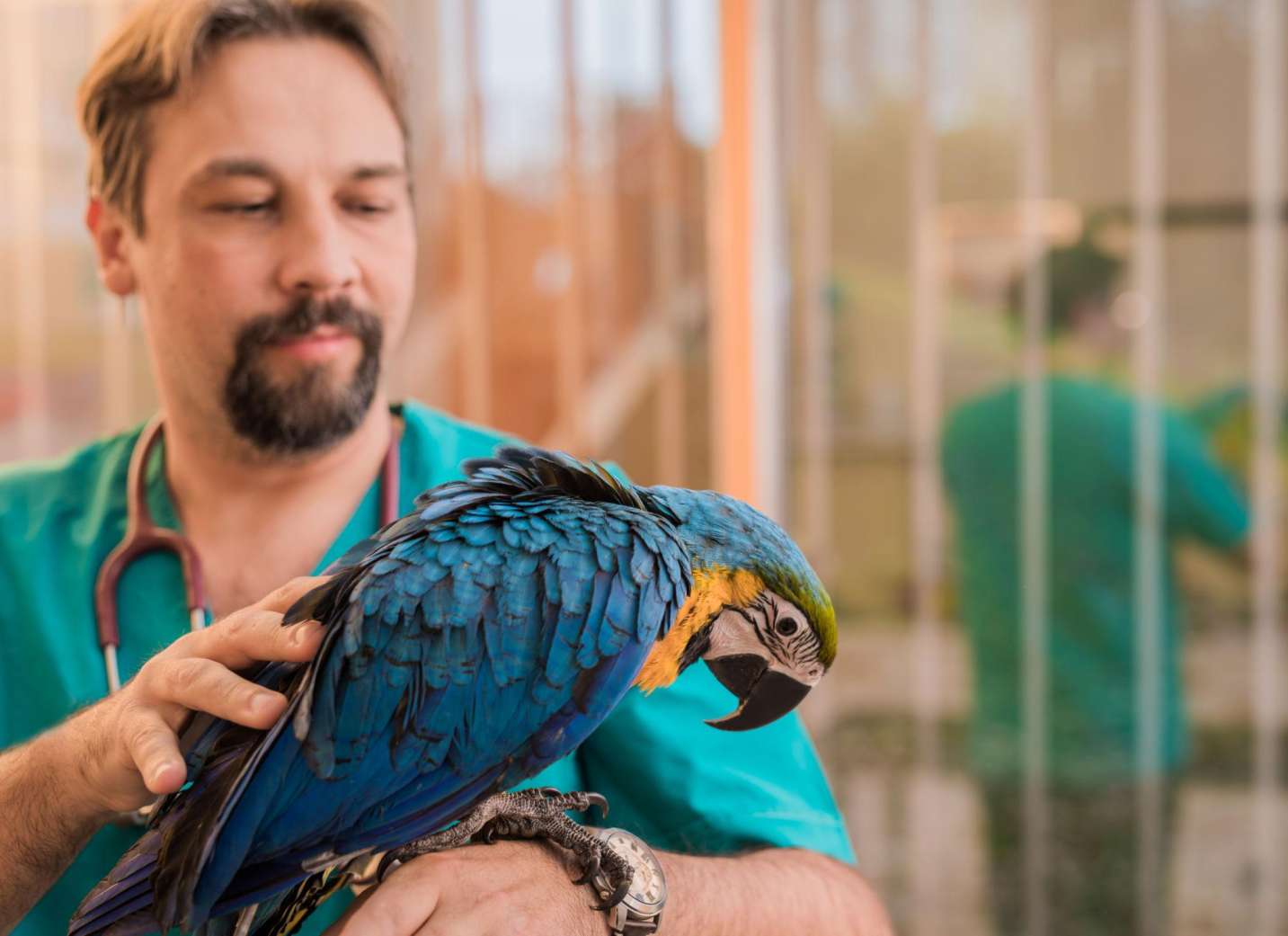
A colorful representation of exotic pets like parrots, iguanas, and tortoises receiving expert veterinary care under insurance protection.
Introduction
Exotic pet insurance is becoming essential as more Americans adopt unusual pets like parrots, reptiles, and small exotic mammals. In fact, rising exotic pet ownership in recent years has forced insurers to update their homeowners policy rules. As a result, many pet owners now need to understand how to properly add coverage or secure a separate policy.
According to recent market research, the exotic pet population in the United States has grown significantly over the past five years. Birds alone account for millions of owned pets, with reptiles and small exotic mammals following closely. This surge in ownership has created a critical need for specialized insurance coverage that addresses the unique risks and veterinary costs associated with these unusual companions.
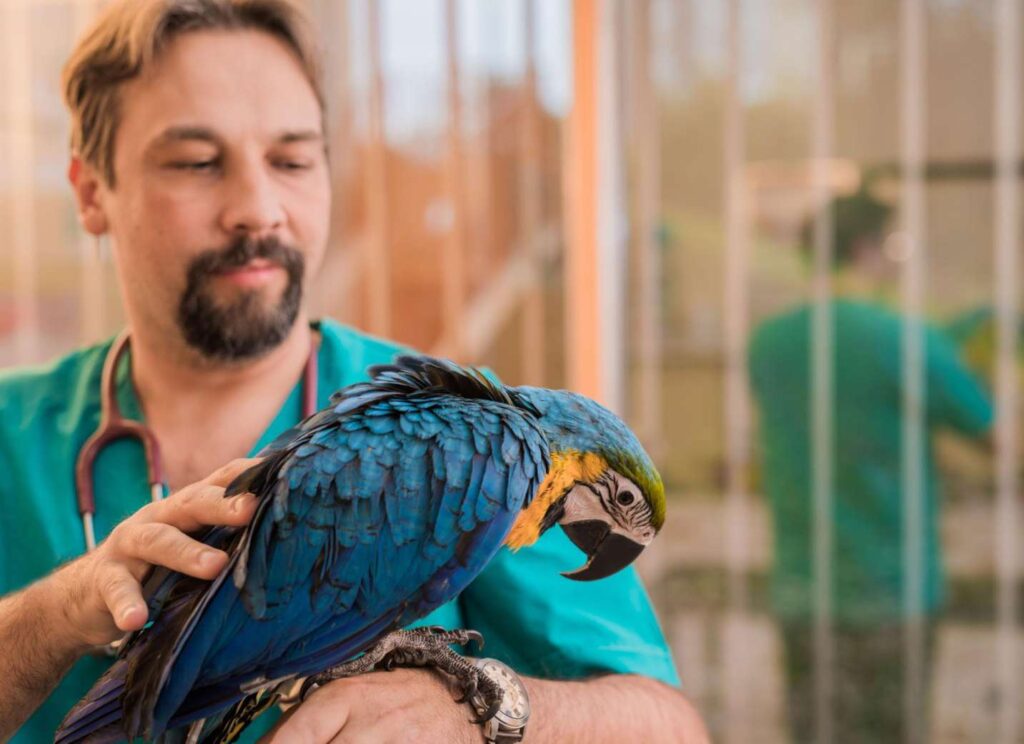
This comprehensive guide explains exotic pet insurance in detail, how to add an exotic animal to your homeowners policy, expected costs, documentation requirements, and alternatives if your insurer denies coverage. Whether you’re a new exotic pet owner or looking to improve your current coverage, this guide will help you navigate the complex landscape of pet insurance for unusual animals.
Why Exotic Pets Affect Homeowners Insurance
Homeowners insurance usually covers cats and dogs comprehensively. However, exotic animals are treated differently by insurance companies. Therefore, insurers classify them as higher risk due to unpredictable behavior and limited underwriting data. This classification creates several important considerations for exotic pet owners.
Higher Liability Risk for Bites or Property Damage
Exotic pets present unique liability challenges that standard pets don’t typically pose. Large birds like macaws can cause significant property damage with their powerful beaks, while reptiles like snakes may bite unexpectedly. Even small mammals like hedgehigers can scratch or bite when stressed. These incidents can result in costly claims that insurance companies want to avoid.
The liability risk extends beyond simple bites. Exotic pets may escape their enclosures, causing damage to furniture, electrical systems, or even injuring visitors. A runaway iguana could knock over expensive electronics, while a parrot might chew through wiring, creating fire hazards.
Limited Data for Exotic Species Risk Prediction
Insurance companies rely heavily on historical data to predict risks and set premiums. However, exotic species lack this extensive historical data. Unlike dogs and cats, where insurers have decades of claims data for thousands of breeds, exotic pets represent a much smaller sample size. This data gap makes underwriting challenging and often results in higher premiums or coverage exclusions.
Each exotic species presents unique risk profiles that insurers struggle to quantify accurately. For example, the risk associated with owning a sugar glider differs significantly from owning a ferret, but both may be lumped together due to insufficient data.
Regulatory Restrictions in Different US States
State regulations vary significantly regarding exotic pet ownership. Some states require special permits for certain species, while others prohibit ownership entirely. Insurance companies must navigate these complex regulatory landscapes, which adds another layer of complexity to coverage decisions.
For instance, California has strict regulations on reptile ownership, while Texas is more lenient. An insurance company operating nationwide must account for these variations, often resulting in standardized exclusions that affect all exotic pet owners regardless of their location.
Higher Veterinary Complexity for Rare Species Care
Exotic pet veterinary care is significantly more complex and expensive than standard pet care. Few veterinarians specialize in exotic animals, and those who do typically charge higher fees for their specialized expertise. Additionally, diagnostic equipment and treatment options for exotic species are often more expensive.
A simple visit to an exotic animal veterinarian can cost $150-$300, compared to $50-$100 for a standard vet visit. Surgical procedures for exotic pets can range from $1,000 to $10,000 or more, depending on the species and procedure complexity. This financial burden makes insurance coverage crucial for exotic pet owners.
For more background on pet liability standards, visit the Insurance Information Institute. Additionally, the NAIC provides regulatory updates on insurance practices across different states.
Step-by-Step: How to Add an Exotic Pet to Your Policy
Step 1: Review Your Current Policy
First, check your policy documents carefully before making any changes. Many insurers exclude reptiles, birds, or exotic mammals explicitly in their standard coverage terms. Therefore, identifying exclusions early helps avoid surprises when you need coverage.
Look for specific language regarding “exotic animals,” “non-traditional pets,” or species-specific exclusions. Pay attention to liability clauses that might mention bites or property damage caused by unusual animals. Contact your insurance representative if you’re unclear about any policy language.
Step 2: Identify Your Pet Classification
Insurers categorize exotic pets differently based on species, size, and risk factors. Understanding your pet’s classification helps you communicate effectively with your insurer and understand coverage options.
Birds include parrots, macaws, cockatoos, canaries, and finches. Large birds like macaws typically present higher liability risks than smaller species like finches.
Reptiles encompass snakes, iguanas, geckos, tortoises, and turtles. Venomous snakes often face complete coverage exclusions, while non-venomous species may be eligible for coverage with endorsements.
Small exotic mammals include ferrets, hedgehogs, sugar gliders, chinchillas, and rats. These animals generally present lower risks than larger exotic mammals but still require special consideration.
Aquatic or amphibian species include fish, frogs, salamanders, and aquatic turtles. While typically lower risk, large aquatic species may require special coverage.
Step 3: Request a Policy Endorsement
Next, contact your insurer and request an endorsement specifically for your exotic pet. In some cases, a separate liability rider may be required instead of modifying the base policy. Be prepared to provide detailed information about your pet, including species, age, weight, and housing arrangements.
When requesting an endorsement, ask specifically about:
- Liability coverage limits for exotic pets
- Veterinary cost coverage if included
- Any exclusions or restrictions
- Premium increases associated with the endorsement
- Claim filing procedures for exotic pet incidents
Step 4: Submit Required Documentation
Typically, insurers ask for proof before approval. This documentation helps them assess risk and verify legitimate ownership. For instance, you’ll need to provide:
Veterinary health records showing recent examinations, vaccinations, and overall health status. These records demonstrate responsible ownership and reduce perceived risk.
Ownership permits or legal documentation proving you legally own the exotic pet. Some species require federal or state permits, and insurers will request copies of these documents.
Enclosure or habitat photos showing proper housing arrangements. Well-maintained enclosures reduce escape risks and demonstrate responsible care. Include photos of security features like locked doors and proper ventilation.
Behavioral assessments (if required) documenting your pet’s temperament and training history. Professional assessments can significantly improve approval chances for potentially risky species.
Step 5: Underwriting Review
After submission, the insurer reviews risk factors systematically. This process may take several days or weeks depending on the complexity of your request. Moreover, species type and handling history significantly influence approval chances.
The underwriting team will evaluate:
- Your pet’s species and associated risks
- Your experience level with exotic animals
- Housing and security arrangements
- Historical claims data for similar pets
- Local regulations and liability laws
Be prepared to answer additional questions during this review process. Prompt responses can speed up approval times.
Step 6: Approval or Alternative Coverage
If approved, your pet is officially added to your policy with specific coverage terms. However, if denied, you may need exotic pet insurance or a specialty liability plan from alternative providers.
Average Costs of Adding an Exotic Pet
Costs vary significantly based on risk level, species, and insurer rules. Generally, the breakdown looks like this:
| Pet Type | Monthly Cost Increase | Risk Level |
|---|---|---|
| Small Birds (finches, canaries) | $5 – $15 | Low |
| Large Birds (macaws, cockatoos) | $10 – $40 | Medium |
| Reptiles (snakes, iguanas) | $10 – $50 | Medium–High |
| Exotic Mammals (ferrets, hedgehogs) | $20 – $75 | High |
In some cases, insurers may apply a flat fee instead of monthly increases. Therefore, always compare multiple providers before deciding. Some insurers offer annual payment options that might reduce overall costs.
Additional costs may include:
- Application fees ($25-$100)
- Inspection fees for habitat verification ($50-$200)
- Increased homeowners premium (5-15% overall)
- Separate liability rider costs ($100-$500 annually)
Veterinary coverage Add-ons typically cost an additional $15-$50 monthly, depending on coverage limits and your pet’s species.
Alternatives to Homeowners Coverage
If your insurer refuses coverage, don’t worry. Instead, consider these viable options:
Standalone Exotic Pet Insurance
Standalone exotic pet insurance provides comprehensive medical and liability protection specifically designed for unusual animals. These policies often offer better coverage than homeowners endorsements and may include wellness visits, emergency care, and specialist treatments.
Popular providers include:
- Embrace Pet Insurance – Offers exotic pet coverage with plans starting at $20/month
- Trupan – Provides coverage for certain exotic species with comprehensive medical benefits
- Anchor Pet Insurance – Specializes in exotic animals with customized coverage options
Specialty Animal Liability Coverage
Specialty animal liability coverage focuses specifically on bite and property damage claims. These policies are ideal if you primarily need liability protection without comprehensive medical coverage.
Umbrella Insurance with Pet Inclusion
Umbrella insurance provides additional liability coverage beyond your homeowners policy limits. Some umbrella policies include pet liability coverage that extends to exotic animals, offering comprehensive protection up to $1-5 million.
Non-Traditional Pet Insurance Providers
Non-traditional providers often offer more flexible coverage options for exotic pets. These include:
- Breeders’ insurance associations
- Exotic animal specialized insurers
- Regional insurance companies with exotic pet expertise
Checklist Before Adding an Exotic Pet
Before proceeding with coverage, complete this essential checklist:
✓ Confirm legal ownership in your state
✓ Check insurer eligibility rules for your specific species
✓ Prepare complete medical records from exotic veterinarians
✓ Secure enclosure documentation with photos and specifications
✓ Compare insurers carefully for best rates and coverage
✓ Understand claim filing procedures
✓ Review coverage limits and exclusions thoroughly
✓ Consider additional liability protection if needed
Common Mistakes to Avoid
Many owners make avoidable mistakes that can jeopardize their coverage. For example, not disclosing pets can lead to claim denial or policy cancellation. Additionally, ignoring local wildlife laws can cause legal issues beyond insurance problems.
Not disclosing exotic pets is the most common and costly mistake. Hidden pets aren’t covered, and claims involving undisclosed animals will be denied automatically.
Assuming automatic coverage leads to unexpected denials. Most standard policies don’t automatically cover exotic animals without explicit endorsements.
Ignoring state regulations can result in illegal ownership and insurance violations. Always verify your pet is legal in your state before purchasing.
Skipping liability protection exposes you to significant financial risk. Exotic pet bites or damage can result in costly lawsuits without proper coverage.
FAQ: Exotic Pets and Home Insurance
Are exotic pets covered under homeowners insurance?
Usually not. Most policies exclude exotic pets unless an endorsement is added. Standard homeowners insurance typically covers only cats and dogs by default.
Do I need separate insurance?
Yes, in many cases. Exotic pet insurance provides medical and liability protection when homeowners policies fall short. Separate coverage often offers better benefits and lower costs than homeowners endorsements.
What pets cost the most to insure?
Generally, large reptiles and exotic pet insurance are the most expensive due to higher risk. Venomous snakes, large birds of prey, and big exotic mammals like monkeys typically face the highest premiums or complete exclusions.
Can my policy be canceled?
Yes. If you fail to disclose an exotic pet, your policy may be canceled or claims denied. Insurance companies consider undisclosed exotic pets material misrepresentation, which violates policy terms.
Final Thoughts
Adding an exotic pet insurance to your homeowners policy requires careful planning and thorough research. Therefore, always disclose ownership immediately and review all coverage options thoroughly. As exotic pet ownership grows rapidly, insurers are adapting quickly to meet these new demands.
The exotic pet insurance market is evolving rapidly, with more providers offering specialized coverage options. Early adoption of proper coverage ensures you’re protected before any incidents occur. In conclusion, choosing the right exotic pet insurance or endorsement ensures financial protection and peace of mind for both you and your unique companion.
Don’t wait until an incident occurs to secure coverage. Proactive insurance planning protects your investment and ensures your exotic pet insurance receives proper veterinary care when needed. Learn more about pet safety at ASPCA Pet Care Resources.
Remember that proper insurance coverage is an essential part of responsible exotic pet ownership. Your unique companion deserves the same protection and care as traditional pets, and proper insurance ensures you can provide it without financial hardship.
About the Author