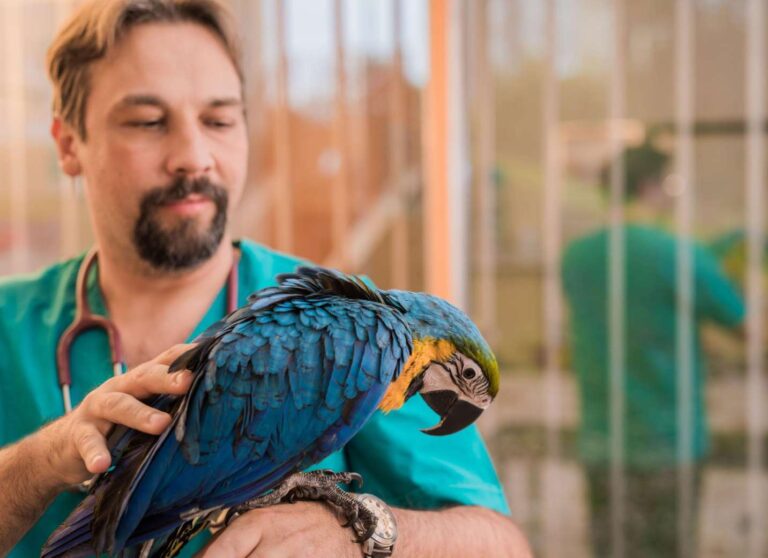
Protect your beautiful parrot with exotic bird insurance that covers medical care, accidents, and unexpected health risks.
Exotic bird insurance is becoming increasingly important as more Americans welcome parrots, macaws, cockatoos, finches, and other exotic birds into their homes. At the same time, veterinary telehealth services are transforming how pet owners access professional medical advice. As a result, bird owners now have more opportunities than ever to protect their pets through comprehensive insurance policies that include virtual veterinary care.
Birds are unique companions that require specialized medical attention throughout their lives. Unlike cats and dogs, many exotic birds can live for decades and may develop health conditions that require ongoing monitoring. Furthermore, transporting birds to veterinary clinics can be stressful and, in some cases, dangerous for their health. Consequently, telehealth veterinary services have emerged as a practical solution for many routine consultations and follow-up appointments.
This comprehensive guide explains how exotic bird insurance works, how telehealth veterinary care fits into modern insurance plans, what coverage options are available, and how to choose the best policy for your bird. Additionally, you will learn about costs, claims processes, common exclusions, and practical tips for maximizing your coverage.
Understanding Exotic Bird Insurance
Exotic bird insurance is a specialized type of pet insurance designed specifically for birds that fall outside traditional pet categories. These policies help cover medical expenses associated with illnesses, injuries, diagnostic testing, surgeries, and ongoing treatments.
Unlike standard pet insurance plans designed for dogs and cats, exotic bird insurance takes into account the unique medical needs and risks associated with avian species. Because birds often require specialized veterinarians and advanced diagnostic procedures, treatment costs can quickly become expensive.
Many bird owners mistakenly assume that routine care will be sufficient to maintain their pet’s health. However, birds are known for hiding symptoms of illness until conditions become severe. Therefore, having insurance coverage can provide financial protection when unexpected health issues arise.
Common Birds Covered by Exotic Bird Insurance
Many insurers provide coverage for a variety of bird species, including:
- African Grey Parrots
- Macaws
- Cockatoos
- Conures
- Amazon Parrots
- Eclectus Parrots
- Lovebirds
- Cockatiels
- Finches
- Canaries
- Budgerigars (Budgies)
- Caiques
- Pionus Parrots
Coverage availability varies by provider, so it is important to verify whether your specific bird species qualifies before purchasing a policy.
Why Exotic Birds Need Specialized Insurance
Birds require healthcare that differs significantly from the needs of dogs and cats. As a result, veterinary care for exotic birds is often more expensive and less widely available.
Several factors contribute to the need for specialized insurance:
Long Lifespans
Many exotic birds live much longer than traditional pets. Some parrots can live between 40 and 80 years, while certain macaws may live even longer with proper care.
Because of their long lifespans, birds may experience multiple health issues over time, making insurance a valuable long-term investment.
Specialized Veterinary Care
Not all veterinarians are trained in avian medicine. Therefore, bird owners often need to seek care from avian specialists, whose services may cost significantly more than standard veterinary visits.
Hidden Illness Symptoms
Birds instinctively hide signs of illness as a survival mechanism. Consequently, diseases may go unnoticed until advanced stages, leading to expensive treatments and emergency interventions.
Emergency Medical Situations
Accidents, toxin exposure, respiratory infections, and injuries can require immediate veterinary care. Without insurance, these unexpected expenses can place a financial burden on owners.
The Rise of Telehealth Veterinary Services
Telehealth has revolutionized healthcare across many industries, including veterinary medicine. Since the pandemic, remote consultations have become increasingly common among veterinarians and pet owners.
Today, many veterinary practices offer virtual appointments through video calls, phone consultations, and online messaging platforms.
For bird owners, telehealth provides numerous advantages.
Reduced Transportation Stress
Birds are highly sensitive to environmental changes. Traveling to a veterinary clinic may expose them to:
- Temperature fluctuations
- Loud noises
- Unfamiliar environments
- Physical stress
Telehealth consultations eliminate many of these concerns by allowing birds to remain in familiar surroundings.
Faster Access to Specialists
Avian veterinarians are often located in major metropolitan areas. Owners living in rural or suburban regions may need to travel long distances for care.
Virtual appointments provide quicker access to specialists regardless of location.
Convenient Follow-Up Care
Many bird health issues require ongoing monitoring. Telehealth makes follow-up appointments more convenient while reducing transportation requirements.
Early Intervention
Remote consultations allow owners to seek professional advice immediately after noticing unusual symptoms. Early intervention often improves treatment outcomes and lowers costs.
What Exotic Bird Insurance Covers
Coverage varies by insurer, but many policies include a combination of the following benefits.
Emergency Illness Coverage
Birds can develop sudden illnesses that require immediate medical attention.
Coverage may include:
- Respiratory infections
- Digestive disorders
- Bacterial infections
- Viral diseases
- Nutritional deficiencies
Accident Coverage
Accidents can occur unexpectedly even in well-maintained environments.
Examples include:
- Wing injuries
- Broken bones
- Burns
- Falls
- Predator attacks
Insurance can help cover examination fees, diagnostics, treatment, and rehabilitation.
Diagnostic Testing
Proper diagnosis often requires advanced testing.
Covered procedures may include:
- Blood tests
- Fecal examinations
- X-rays
- Ultrasounds
- Endoscopy
Surgical Procedures
Bird surgeries can be costly because they require specialized equipment and expertise.
Coverage may help pay for:
- Tumor removal
- Fracture repair
- Internal procedures
- Emergency surgeries
Chronic Condition Management
Some birds develop long-term conditions requiring ongoing care.
Examples include:
- Liver disease
- Kidney disorders
- Arthritis
- Hormonal imbalances
Many comprehensive policies contribute toward long-term treatment expenses.
Telehealth Coverage in Exotic Bird Insurance
One of the most significant developments in recent years is the inclusion of telehealth benefits in exotic bird insurance policies.
Virtual Veterinary Consultations
Many insurers now reimburse costs associated with virtual appointments.
These consultations may involve:
- Video calls
- Phone appointments
- Online chat services
Remote Diagnosis Assistance
Veterinarians can often evaluate symptoms by reviewing photos and videos submitted by owners.
This approach is useful for assessing:
- Feather condition
- Mobility issues
- Behavioral changes
- Respiratory symptoms
Medication Guidance
Telehealth appointments can provide instructions regarding:
- Medication administration
- Dosage adjustments
- Recovery monitoring
Behavioral Consultations
Behavioral problems are common among exotic birds.
Virtual consultations may address:
- Excessive screaming
- Feather plucking
- Aggression
- Anxiety
Emergency Triage
In urgent situations, telehealth veterinarians can determine whether immediate clinic care is necessary.
This guidance may save valuable time during emergencies.
Benefits of Combining Insurance with Telehealth Care
The combination of insurance and telehealth creates a powerful support system for bird owners.
Lower Stress Levels
Birds remain comfortable in their familiar environment.
Improved Access to Care
Owners can connect with specialists more easily.
Faster Treatment Decisions
Immediate professional guidance allows quicker action.
Better Preventive Care
Routine virtual check-ins may identify problems before they become severe.
Reduced Travel Expenses
Telehealth reduces transportation costs and associated risks.
Enhanced Long-Term Monitoring
Chronic conditions can be monitored more efficiently through regular virtual consultations.
Factors That Affect Insurance Costs
Several factors influence premium prices.
Bird Species
Rare or high-value birds often cost more to insure.
Examples include:
- Hyacinth Macaws
- African Grey Parrots
- Palm Cockatoos
Age
Older birds generally have higher premiums due to increased health risks.
Coverage Level
Policies with higher reimbursement rates and larger annual limits typically cost more.
Telehealth Benefits
Adding telehealth services may increase premiums slightly but often reduces overall healthcare costs.
Geographic Location
Veterinary costs vary by region, affecting insurance pricing.
Claims History
Previous claims may influence future premium rates.
Average Cost of Exotic Bird Insurance
While prices vary by provider and location, many policies fall within these ranges:
| Coverage Type | Monthly Cost |
|---|---|
| Accident Only | $10 – $20 |
| Accident and Illness | $20 – $50 |
| Comprehensive Coverage | $40 – $80 |
| Premium Plans with Telehealth | $50 – $100+ |
Rare species and extensive coverage options may increase costs further.
Telehealth vs In-Person Veterinary Care
| Feature | Telehealth Vet | In-Person Vet |
|---|---|---|
| Stress Level | Low | High |
| Travel Required | No | Yes |
| Access Speed | Fast | Variable |
| Cost | Lower | Higher |
| Diagnostic Capability | Moderate | Extensive |
| Emergency Treatment | Limited | Full Treatment |
Both options play important roles in maintaining bird health.
How to Choose the Right Exotic Bird Insurance Policy
Selecting the best policy requires careful research.
Review Coverage Limits
Check annual reimbursement limits and maximum payouts.
Understand Deductibles
Lower deductibles often result in higher monthly premiums.
Verify Telehealth Benefits
Confirm whether virtual consultations are fully covered or reimbursed.
Examine Exclusions
Pay close attention to policy exclusions and restrictions.
Research Customer Reviews
Claims handling and customer support quality vary significantly among providers.
Compare Multiple Quotes
Request quotes from several insurers before making a decision.
Common Exclusions
Most policies contain exclusions.
Examples include:
- Pre-existing conditions
- Cosmetic procedures
- Breeding-related expenses
- Experimental treatments
- Non-approved supplements
Understanding exclusions helps prevent claim disputes.
The Claims Process
Submitting a claim is usually straightforward.
Step 1: Receive Veterinary Care
Schedule either a telehealth consultation or clinic visit.
Step 2: Obtain Documentation
Collect invoices, medical records, and treatment details.
Step 3: Submit Claim Forms
Upload documents through the insurer’s portal or mobile app.
Step 4: Review Period
The insurer evaluates eligibility and coverage.
Step 5: Receive Reimbursement
Approved claims are reimbursed according to policy terms.
Tips for Keeping Your Bird Healthy
Insurance is valuable, but prevention remains equally important.
Provide Proper Nutrition
Balanced diets support long-term health.
Schedule Regular Checkups
Routine examinations help detect health issues early.
Maintain Clean Habitats
Clean cages reduce disease risks.
Encourage Mental Stimulation
Toys and social interaction prevent behavioral problems.
Monitor Behavioral Changes
Sudden behavior shifts may indicate underlying illness.
Frequently Asked Questions
Does exotic bird insurance cover telehealth vet visits?
Many modern policies include telehealth consultations or reimbursement for virtual veterinary services.
Is telehealth sufficient for diagnosing all conditions?
No. Serious illnesses and injuries often require physical examinations and diagnostic testing.
Which birds are usually covered?
Most insurers cover parrots, macaws, cockatoos, finches, cockatiels, and many other companion bird species.
Is exotic bird insurance expensive?
Costs vary, but many policies are affordable compared to potential emergency veterinary expenses.
Are pre-existing conditions covered?
Most insurers exclude conditions diagnosed before enrollment.
Can telehealth reduce veterinary expenses?
Yes. Virtual consultations often cost less than in-person visits and may help avoid unnecessary travel.
Should young birds be insured?
Insuring birds at a younger age can provide broader coverage and lower premiums.
Final Thoughts
As telehealth veterinary services continue to expand throughout the United States in 2026, exotic bird insurance has become more valuable than ever. Modern policies now offer a combination of traditional medical coverage and virtual veterinary support, giving bird owners faster access to expert care while reducing stress on their pets.
Whether you own a parrot, macaw, cockatoo, finch, or another exotic bird, the right insurance policy can provide financial protection against unexpected illnesses, injuries, and long-term medical expenses. Furthermore, telehealth coverage adds convenience, accessibility, and peace of mind for responsible bird owners.
By comparing policies carefully, understanding coverage limits, and selecting a provider that includes telehealth benefits, you can help ensure your bird receives the best possible care throughout its life.
You have not enough Humanizer words left. Upgrade your Surfer plan.
About the Author