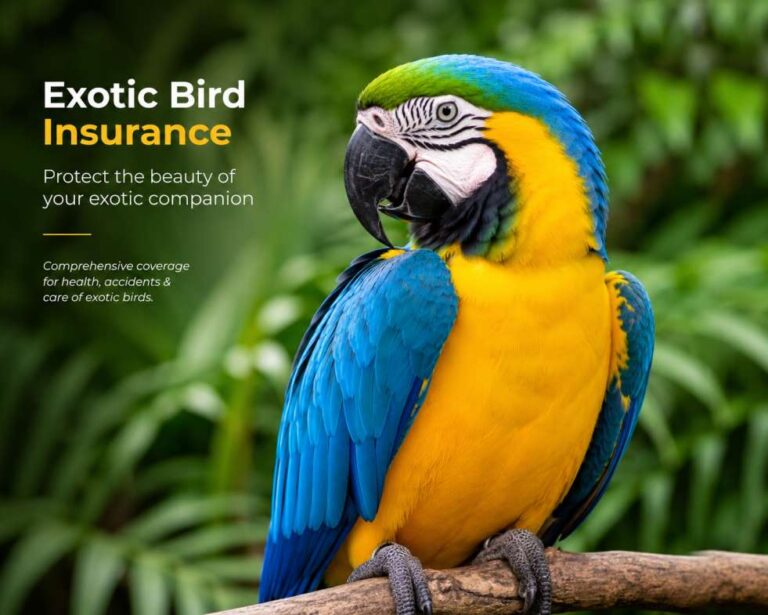

A licensed exotic pet breeder and wildlife compliance inspection highlight the importance of following state regulations and maintaining proper insurance coverage.
Introduction: Why Exotic Pet Laws Matter Now
Exotic pet laws in the United States are changing quickly. States are updating rules for wildlife ownership, transport, breeding, and sales, which means sellers and owners must stay alert to avoid fines, permit issues, and business interruptions. For anyone in the exotic pet trade, compliance is no longer just a legal detail; it is a business necessity.
These rules matter even more because they directly affect insurance needs. Breeders, online sellers, and pet businesses face risks related to transport, liability, animal welfare, and changing regulations. As a result, understanding both the law and the right insurance coverage is essential for long-term stability.
What Are Exotic Pet Laws?
Exotic pet laws are state and local rules that regulate the ownership, sale, transport, and sometimes breeding of non-traditional animals. These animals may include reptiles, birds, amphibians, small mammals, and certain wild species that are not commonly kept as household pets.
Because these laws vary so much from state to state, the same animal may be legal in one place and restricted in another. That makes life especially difficult for online sellers and breeders who ship across state lines. In many cases, a sale that looks simple on paper can trigger multiple legal and compliance requirements.

Commonly Regulated Exotic Animals
Some animals are regulated more often than others because of safety, invasive species, or welfare concerns. Commonly restricted exotic pets include:
- Large reptiles such as pythons and iguanas.
- Birds like parrots and macaws.
- Small mammals such as hedgehogs and sugar gliders.
- Amphibians and invertebrates like frogs and tarantulas.
Even when these animals are legal to own, sellers may still need permits, health paperwork, transport approval, or proof of proper housing. That is why checking the exact state rules before every sale is so important.
How State Rules Are Changing
Across the U.S., governments are tightening exotic pet rules due to public safety concerns, animal welfare issues, and the risk of invasive species. Federal agencies such as USDA APHIS and the U.S. Fish and Wildlife Service influence many of these decisions, but the actual restrictions often come from state law.
Recent reporting and state-by-state legal summaries show that many states now use one of three models: a complete ban on certain exotic species, a partial ban on some animals, or a permit/licensing system. This means the legal landscape is not only strict, but also uneven.
For example, federal guidance from USDA APHIS and wildlife oversight from U.S. Fish and Wildlife Service influence many state decisions.
Key Regulatory Trends
- Stricter licensing: More permits are required for breeding and sales.
- Transport rules: Shipping live animals is more heavily regulated.
- Banned species lists: States are expanding restricted animal lists.
- Inspections: Sellers may face facility checks, even at home-based setups.
For businesses, this trend means compliance must be built into daily operations, not handled only after a problem appears.
State-by-State Differences
Regulations vary significantly across states. Public legal summaries show that some states ban many exotic animals, some allow them only under permits, and others have limited rules but still regulate imports or health certificates.animallaw+1
| State | General Pattern | Example of Rule Type |
|---|---|---|
| California | Strict | Many species restricted or banned. |
| Florida | Moderate-Strict | Licensing and species rules apply. |
| Texas | Moderate | Permit-based or local restrictions may apply. |
| New York | Strict | Heavy wildlife restrictions. |
| Arizona | Flexible | Permit-based system for certain animals. |
Why Insurance Is Essential Now
As exotic pet laws evolve, insurance has become a core risk-management tool. It helps protect businesses from financial losses tied to legal issues, shipping problems, customer claims, and unexpected animal health costs.
Insurance is especially important because exotic pet businesses often operate across multiple states. One shipment may involve the seller’s state, the buyer’s state, the carrier’s rules, and platform-specific requirements. Without the right coverage, a single dispute or loss can become expensive very quickly.
Key Insurance Types
- Exotic pet insurance: Covers veterinary care for rare pets.
- Shipping risk insurance: Protects animals during transport.
- Marketplace seller insurance: Covers online platform sales.
- Web store liability cover: Protects against legal claims.
For example, a online seller shipping a gecko to another state may face a transport delay, an animal health issue, and a buyer complaint all at once. Insurance can help reduce the financial damage from such a chain of events.
Regulatory Risks for Online Sellers
Online sellers face higher risk because they often ship animals across multiple states. That creates legal exposure not only from the sale itself, but also from transport, packaging, and destination-state restrictions.
Common Risk Scenarios
- Selling restricted animals into banned states.
- Lack of transport documentation.
- Animal welfare violations during shipping.
- Insurance gaps leading to uncovered losses.
A seller might think they are protected because the animal is legal in their home state. However, if the buyer’s state prohibits that species or requires a special permit, the seller may still face problems. That is why online businesses need strong compliance checks before every shipment.

How Insurance Supports Compliance
Specialty insurance policies do more than reimburse losses. They can also support compliance by helping businesses respond to disputes, shipping failures, and unexpected regulatory changes.
Coverage Benefits
- Legal defense for regulatory disputes.
- Protection from shipping losses.
- Veterinary reimbursement for covered pets.
- Liability protection for online transactions.
This matters because regulations can change quickly. If a state updates its banned species list or adds new permit requirements, a business with proper insurance may recover faster and avoid a major financial setback.
Real-World Example
Imagine a small reptile breeder in Texas selling a juvenile python through an online marketplace. The breeder ships the animal to a buyer in another state without double-checking the latest local restrictions. During transport, the shipment is delayed, and by the time the animal arrives, the buyer claims the pet is stressed and refuses to accept it.
In this situation, the seller could face several problems at once: a compliance issue, a shipping loss, a customer dispute, and a potential pet insurance claim. If the business had shipping risk insurance and seller liability coverage, it may recover part of the loss and handle the dispute more effectively.
This example shows why exotic pet laws and insurance should be treated as connected issues, not separate ones.
Pros and Cons
Pros
- Better public safety and animal welfare.
- More responsible breeding and sales practices.
- Clearer documentation for sellers who follow the rules.
- Insurance can reduce financial exposure and improve business stability.
Cons
- Compliance is complex and time-consuming.
- Rules vary by state, city, and even county.
- Shipping animals across borders can be risky.
- Insurance may be expensive or limited for certain species.
For many sellers, the biggest challenge is not one strict law, but the fact that multiple rules may apply at the same time.
Future Outlook
Regulation will likely continue to increase in the coming years. States are paying closer attention to invasive species, public safety, and animal welfare, so stricter enforcement is likely. At the same time, online sales are growing, which means regulators may create more detailed rules for transport and digital commerce.
Insurance requirements may also expand as governments and platforms look for ways to reduce risk. Businesses that prepare now will be in a much stronger position later. In practice, that means updating compliance procedures, reviewing coverage regularly, and checking laws before every sale.
FAQs
1. Are exotic pet laws the same in every state?
No. Exotic pet laws vary widely by state, and some cities or counties may have even stricter rules.
2. Do online sellers need special insurance?
Often, yes. Online sellers may benefit from shipping risk insurance, liability coverage, and specialty pet coverage depending on the animals sold.
3. What animals are most often regulated?
Large reptiles, birds, small mammals, amphibians, and certain wild species are commonly regulated.
4. Can I ship exotic pets across state lines?
Sometimes, but only if the destination state allows the animal and all transport rules are followed.
5. Why is insurance important for exotic pet businesses?
Insurance helps protect against transport losses, legal disputes, customer claims, and financial damage from changing regulations.
4. Can I ship exotic pets across state lines?
Sometimes, but only if the destination state allows the animal and all transport rules are followed.
5. Why is insurance important for exotic pet businesses?
Insurance helps protect against transport losses, legal disputes, customer claims, and financial damage from changing regulations.
4. Can I ship exotic pets across state lines?
Sometimes, but only if the destination state allows the animal and all transport rules are followed.
5. Why is insurance important for exotic pet businesses?
Insurance helps protect against transport losses, legal disputes, customer claims, and financial damage from changing regulations.
Conclusion
Understanding exotic pet laws is essential for any owner, breeder, or seller. Because rules change often and vary by location, staying updated helps prevent legal trouble and business losses. Insurance also plays a major role by reducing financial risk and supporting compliance in a complicated market.
About the Author