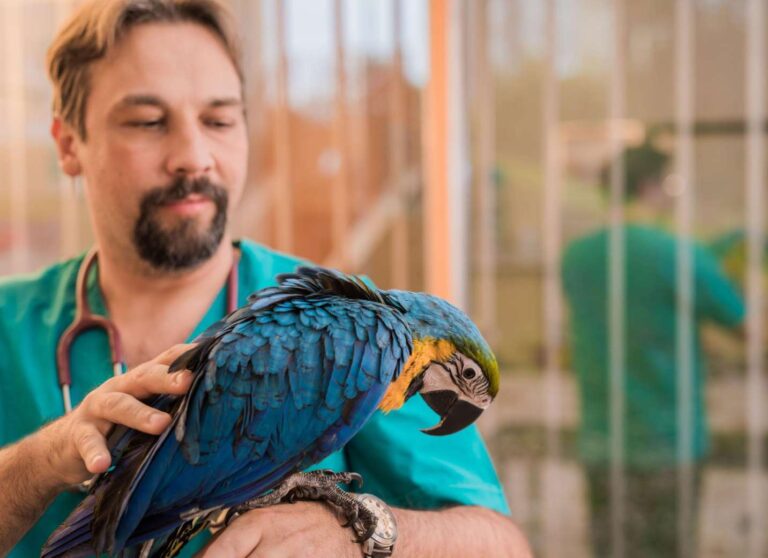
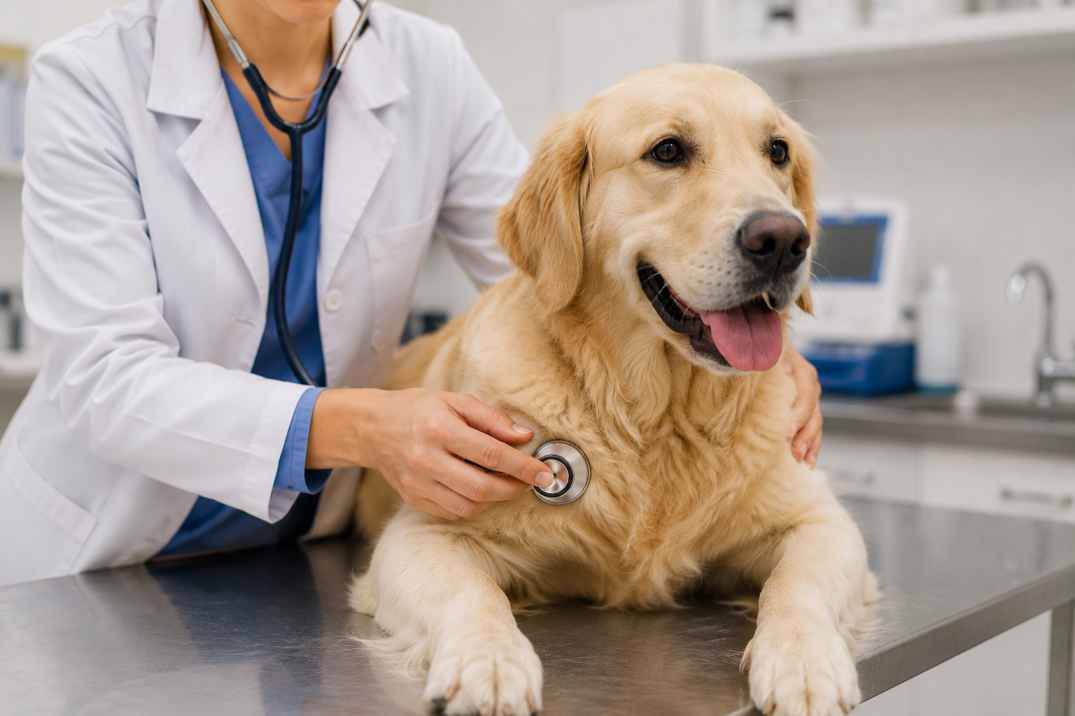
A qualified exotic animal veterinarian examines a bearded dragon while preparing the medical documentation needed for a successful pet insurance claim.
Pet insurance claims for exotic animals can be difficult, but most failures happen because owners miss key paperwork—not because the illness isn’t covered. With the right documents, clear timelines, and a specialist vet, approval becomes much easier.
Many pet owners assume that having insurance automatically guarantees reimbursement. Unfortunately, that’s not always the case. Insurance companies review every claim carefully to verify that the treatment is covered under the policy, the illness or injury occurred after the waiting period, and all required documents have been submitted correctly. To better understand how pet insurance works, pet owners can also review educational resources provided by the North American Pet Health Insurance Association (NAPHIA).
The good news is that most claim denials can be avoided. In fact, many rejected claims happen because owners forget to include important paperwork, submit incomplete invoices, or miss filing deadlines. By understanding the claims process and preparing the right documentation in advance, you can greatly improve your chances of receiving reimbursement quickly.
Understanding Exotic Pet Insurance Claims
An exotic pet insurance claim is a formal request asking your insurance provider to reimburse eligible veterinary expenses after your pet receives medical treatment.
Depending on your policy, insurance may cover expenses such as:
- Emergency veterinary visits
- Diagnostic testing
- Surgery
- Prescription medications
- Hospitalization
- Imaging (X-rays, CT scans, or ultrasounds)
- Blood work
- Laboratory testing
- Follow-up appointments
However, every exotic insurance policy has exclusions. Routine grooming, cosmetic procedures, pre-existing conditions, and preventive care may not be covered unless your plan specifically includes wellness benefits.
Why Pet Insurance Claims Get Denied
Most exotic pet insurance claims in the US are denied due to documentation gaps, not lack of coverage. Insurers require clear, consistent proof of diagnosis, treatment, and ownership—especially for non-traditional pets like reptiles, birds, and small mammals.
Top 5 Reasons for Denial
- Missing or incomplete vet diagnosis reports – Insurers need a clear, dated diagnosis from a licensed veterinarian.
- No proof of ownership – Especially critical for online purchases, imports, or breeder acquisitions.
- Incomplete lab tests or imaging – X-rays, bloodwork, or fecal tests must be submitted with the claim.
- Unclear treatment timeline – Gaps between symptom onset, vet visit, and treatment can raise red flags.
- Missing prescription receipts – Medication costs won’t be reimbursed without itemized pharmacy or vet invoices.
Simple Documentation Checklist
Organize all documents in one digital folder before submission. Use clear file names like “VetReport_03-15-2025.pdf” or “Invoice_ReptileVet_03-20-2025.pdf”.
| Document | Why It Matters | US Tip |
|---|---|---|
| Vet Report | Confirms diagnosis and treatment plan | Must be from a licensed US vet |
| X-rays / Lab Tests | Shows medical proof of illness | Include lab name and date |
| Itemized Invoice | Supports reimbursement amount | Must show CPT or procedure codes |
| Prescription Records | Confirms medication use | Include pharmacy name and NDC if available |
| Ownership Proof | Verifies pet identity | Receipts, breeder docs, or adoption papers |
| Photos / Videos | Shows visible symptoms | Date-stamped if possible |
| Purchase / Shipment Records | Important for online buyers | Include tracking and seller info |
Pet owners can also review veterinary care recommendations from the American Animal Hospital Association (AAHA) to better understand medical documentation and preventive care.
Step-by-Step Claim Process
1. Visit a Specialist Vet
First, take your exotic pet to a qualified, licensed veterinarian—ideally one experienced with your species (e.g., avian, reptile, or small mammal vet). Ask for full medical records immediately, including diagnosis, treatment notes, and test results.
2. Collect All Evidence
Next, gather test results, prescriptions, and reports. Keep both digital and paper copies. Use cloud storage (Google Drive, Dropbox) for backups.
3. Prepare Ownership Proof
For example, use receipts, breeder contracts, or adoption papers. This is very important for online purchases and interstate shipments. Some insurers may ask for USDA or state permits for certain species.
4. Submit Claim Form
Then, complete your insurer’s form carefully. Small mistakes—like wrong pet name, date format, or policy number—can delay approval. Double-check all fields before submitting.
5. Attach Documents
After that, upload all files clearly. Make sure nothing is missing. Use PDF format when possible, and label files clearly.
6. Follow Up
Finally, stay in contact with your insurer. This helps avoid delays. If you don’t hear back in 10–14 days, call or email for a status update.
Special Cases for Exotic Animals
Exotic pets often need extra documentation due to their unique care needs.
- Reptiles: Temperature and habitat logs, UVB lighting records, and shedding history.
- Birds: Breathing and environment history, diet logs, and feather condition notes.
- Small mammals: Diet and stress records, enclosure size, and social interaction history.
Some insurers may also ask for habitat photos or vet notes on enclosure conditions, especially for claims involving respiratory or stress-related illnesses. Additional guidance on responsible exotic pet ownership is available from the Association of Exotic Mammal Veterinarians (AEMV).
Common Mistakes That Lead to Claim Denials
Even when an exotic pet insurance policy provides excellent coverage, simple mistakes during the claims process can result in delays or denials. Understanding these common errors can help you avoid unnecessary frustration and improve your chances of receiving reimbursement.
1. Waiting Too Long to File a Claim
Every insurance provider sets a deadline for claim submissions. Missing that deadline is one of the easiest ways to have a claim denied.
Some companies require insurance claims within 30 days, while others may allow 60, 90, or even 180 days after treatment. Check your policy carefully and submit your paperwork as soon as possible.
Tip: Don’t wait until all follow-up visits are complete unless your insurer specifically recommends doing so.
2. Using a Veterinarian Without Exotic Animal Experience
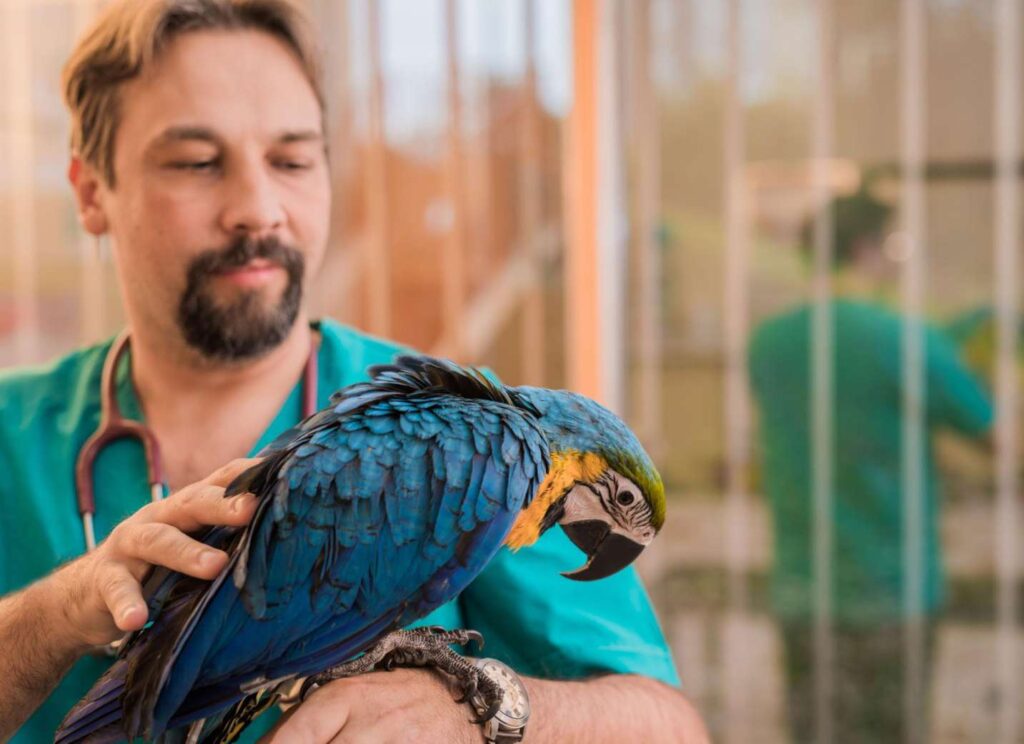
Exotic pets have unique healthcare needs. A veterinarian who primarily treats dogs and cats may not have the expertise needed to diagnose or document illnesses in reptiles, birds, or other uncommon animals.
Insurance companies often place more confidence in medical records prepared by veterinarians experienced in treating exotic species.
Examples include:
- Avian veterinarians for parrots and other birds
- Reptile specialists for snakes, turtles, and lizards
- Small mammal veterinarians for rabbits, ferrets, and guinea pigs
Choosing the right veterinarian can make your documentation stronger and your claim easier to process.
3. Forgetting to Save Receipts
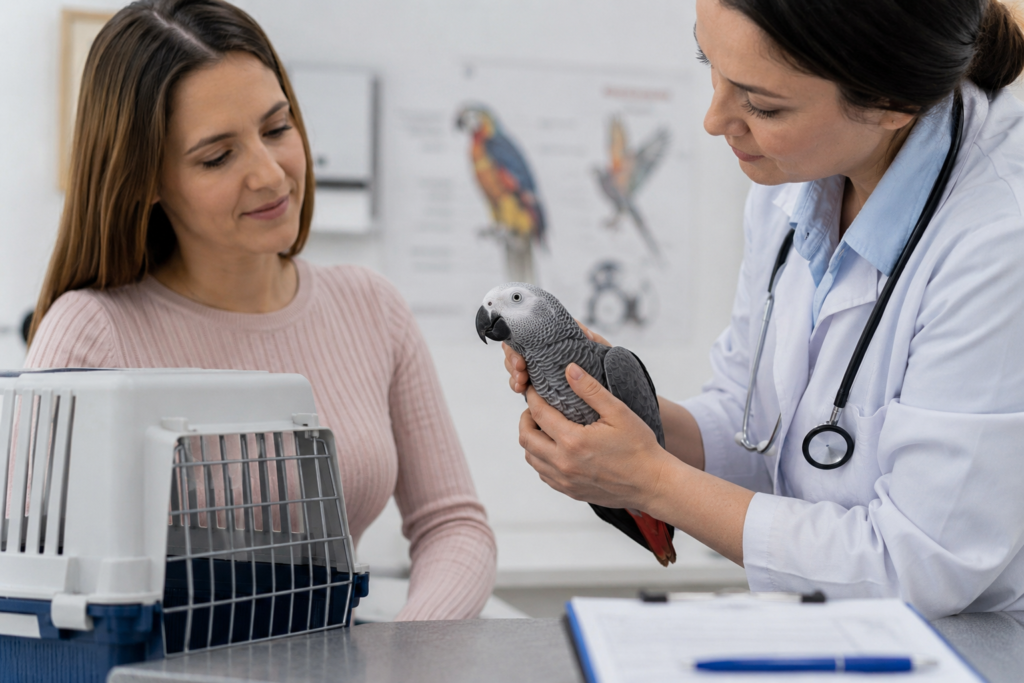
Many owners keep the veterinary invoice but accidentally throw away prescription receipts or payment confirmations.
Your insurer may request proof that:
- The treatment was completed
- Medication was purchased
- Payment was made
Without these records, reimbursement may be delayed.
4. Providing Incomplete Medical Records
Submitting only the invoice is rarely enough.
Insurance companies may also require:
- Physical examination notes
- Diagnosis reports
- Blood test results
- Imaging reports
- Surgery notes
- Follow-up recommendations
Providing complete documentation from the beginning helps reduce requests for additional information.
5. Ignoring Early Symptoms
Some owners wait until an illness becomes severe before seeking veterinary care.
Delaying treatment may:
- Increase medical costs
- Complicate the diagnosis
- Raise questions during claim review
Prompt veterinary care benefits both your pet’s health and your insurance claim.
6. Not Reading the Policy
Every insurance policy has exclusions. For example, some plans may not cover:
- Pre-existing conditions
- Elective procedures
- Routine grooming
- Breeding-related expenses
- Preventive care without a wellness add-on
Understanding your policy before an emergency occurs helps set realistic expectations.
How to Improve Approval Rates
- Store all records digitally from day one
- Visit vets regularly (annual wellness exams help establish health history)
- Track symptoms early (use a pet health journal or app)
- Organize receipts by date and category (vet, meds, labs, imaging)
- Use insurer-approved claim forms and portals.
Expert Tips for Faster Claim Approval
Experienced exotic pet owners and veterinary professionals often recommend these best practices:
- Submit claims within a few days of treatment whenever possible.
- Ask your veterinarian to write clear and detailed diagnosis notes.
- Double-check every document before uploading it.
- Keep receipts organized by date.
- Save copies of every submitted claim.
- Respond quickly if your insurer requests additional information.
- Record claim reference numbers for future follow-up.
- Keep a dedicated folder for insurance paperwork.
These simple habits can save time and reduce unnecessary delays.
Real-World Example
How Sarah Successfully Received Reimbursement for Her Bearded Dragon
Sarah owns a three-year-old bearded dragon named Spike. One afternoon, she noticed that Spike had become unusually lethargic and stopped eating. Concerned about his health, she scheduled an appointment with a veterinarian who specializes in reptiles.
After a thorough examination, the veterinarian diagnosed Spike with a bacterial infection. The clinic performed blood tests, took X-rays, prescribed antibiotics, and recommended a follow-up visit.
Sarah paid the veterinary bill, requested copies of every medical record, and organized all of her documents before leaving the clinic.
Her claim package included:
- Veterinary diagnosis report
- Blood test results
- X-ray images
- Itemized invoice
- Prescription receipt
- Proof of payment
- Photos showing Spike’s condition before treatment
Within a few days, Sarah submitted her claim through her insurance company’s online portal.
About two weeks later, the insurer requested one additional document—a copy of the follow-up examination notes. Sarah uploaded the requested record the same day.
Because her documentation was complete and well organized, the insurance company approved the claim shortly afterward and reimbursed the eligible expenses according to her policy.
Sarah’s experience demonstrates that careful preparation, prompt communication, and complete documentation can make the claims process much smoother.
Pros and Cons of Exotic Pet Insurance (US Market)
Pros
- Financial protection – Covers unexpected vet bills for accidents and illnesses.
- Access to specialists – Some plans include coverage for exotic-certified vets.
- Peace of mind – Reduces stress during emergencies.
- Wellness add-ons – Some insurers offer preventive care riders.
Cons
- Limited providers – Only a few US insurers cover exotic pets (e.g., Nationwide, Exotic Direct, Hartville).
- Higher premiums – Exotic pet plans can cost more than dog/cat plans.
- Coverage gaps – Some species or conditions may be excluded.
- Documentation-heavy – Requires more paperwork than standard pet claims.
FAQ (US-Focused)
What document is most important?
The vet diagnosis report is the most important proof. It must include a clear diagnosis, treatment plan, and dated notes from a licensed US veterinarian.
Do photos help claims?
Yes, photos and videos support medical evidence—especially for visible symptoms like swelling, lethargy, or abnormal behavior. Date-stamped files are best.
Do purchase records matter?
Yes, especially for online or exotic pet purchases. They verify ownership and help insurers confirm the pet’s age and origin.
Which US insurers cover exotic pets?
Nationwide is the most widely available. Exotic Direct, Hartville, and Pet Assure also offer exotic coverage, but availability varies by state and species.
Are pre-existing conditions covered?
No. Most US exotic pet insurance plans exclude pre-existing conditions. Early vet visits and wellness records help prove conditions are new.
How long does claim approval take?
Most US insurers process exotic pet claims within 10–20 business days. Delays usually happen due to missing documents or verification issues.
Can I appeal a denied claim?
Yes. Most insurers allow appeals within 30–60 days. Submit additional documentation, a vet letter, or a corrected claim form.
Final Thoughts
Successful pet insurance claims for exotic animals depend on thorough documentation, timely vet visits, and clear communication with your insurer. Better records lead to faster approvals, fewer denials, and less stress during emergencies.
Start organizing your pet’s health records today even before you file a claim. The more prepared you are, the smoother the process will be.
About the Author