
Compare coverage options and understand what an exotic pet insurance policy includes.
Owning an exotic pet is a unique and rewarding experience. Whether you care for a colorful parrot, a curious ferret, a calm bearded dragon, or an elegant ball python, these animals require specialized care that is very different from caring for a cat or dog. However, while exotic pets bring joy and companionship, they can also lead to unexpected veterinary expenses. This is where an exotic pet policy becomes valuable.
Many first-time owners assume that pet insurance only covers cats and dogs. Fortunately, several insurance providers now offer coverage for birds, reptiles, amphibians, and other uncommon pets. Even so, choosing the right policy can feel confusing because every provider offers different benefits, waiting periods, exclusions, and reimbursement options.
pet care resources
ASPCA pet care guide explains everything you need to know about an exotic pet policy in simple language. You will learn what these policies cover, what they exclude, how much they typically cost, how claims work, and how to compare different plans before making a decision. By the end of this guide, you will understand how to choose protection that fits both your pet’s needs and your budget.

What Is an Exotic Pet Policy?
An exotic pet policy is a type of pet insurance specifically designed for animals that are not considered traditional household pets. Unlike standard pet insurance plans that mainly cover cats and dogs, these policies provide financial protection for a wide variety of uncommon animals.
These animals often require veterinarians with specialized training. As a result, treatment costs are usually higher than routine care for cats or dogs. An exotic pet policy helps reduce these unexpected expenses by reimbursing part of the eligible veterinary bills.
However, every policy is different. Some only cover accidents, while others include illnesses, surgeries, diagnostic testing, medications, hospitalization, and optional wellness care. Therefore, reading the policy details carefully is essential before purchasing coverage.
Why Exotic Pet Insurance Is Becoming More Popular
Over the last few years, exotic pets insurance have become increasingly popular across the United States. Many families and individuals choose these animals because they have unique personalities, require less space than larger pets, or simply offer a different companionship experience.
At the same time, veterinary medicine has improved significantly. More clinics now provide advanced treatments for reptiles, birds, and small mammals. While this is excellent for pet health, it also means medical care has become more expensive.
For example:
- A bird may require specialized blood testing.
- A snake with respiratory disease may need X-rays and laboratory work.
- A ferret suffering from adrenal disease could require surgery.
- An iguana with metabolic bone disease may need long-term treatment.
Without insurance, these treatments can cost hundreds or even thousands of dollars.
Therefore, many owners purchase a specialty pet policy to avoid making difficult financial decisions during emergencies.
Why a Specialty Pet Policy Matters
Unlike traditional pets, exotic animals often hide signs of illness until their condition becomes serious. By the time symptoms appear, immediate veterinary care may already be necessary.
Because of this, emergency treatment is more common than many new owners expect.
A specialty pet policy provides several important benefits.
Financial Protection
Unexpected veterinary bills can place pressure on any household budget. Insurance helps reduce the financial impact of emergency treatments by reimbursing eligible expenses after deductibles and reimbursement percentages are applied.
Faster Medical Decisions
Owners without insurance sometimes delay treatment because of cost concerns. However, delaying medical care can make an illness much worse.
When insurance helps cover expenses, owners can focus on getting treatment quickly instead of worrying about large bills.
Access to Specialized Veterinarians
Not every veterinarian treats reptiles or birds. Exotic animal specialists often charge more because of their advanced training and equipment.
An exotic pet policy helps make these specialists more affordable.

Common Exotic Pets Covered
Coverage depends on the provider, but many specialty pet insurance companies insure a wide variety of animals.
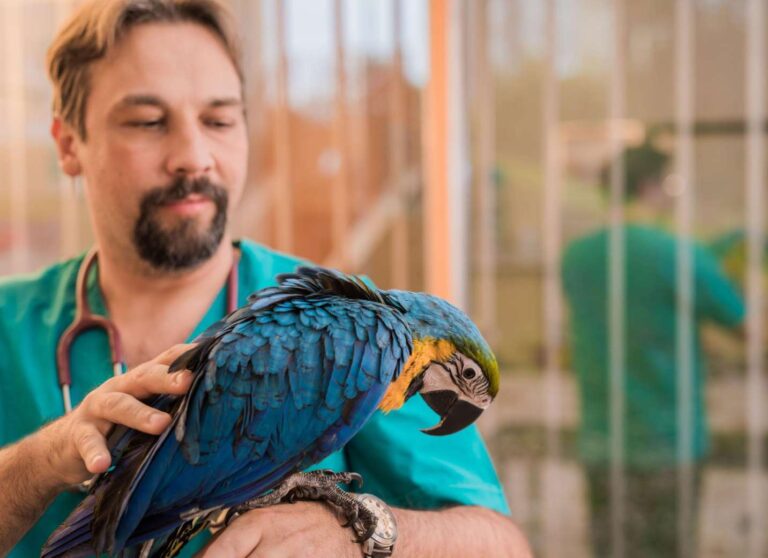
Birds
Birds are intelligent animals but can also develop complicated medical conditions.
Commonly covered birds include:
- African Grey parrots
- Cockatiels
- Lovebirds
- Budgies
- Macaws
- Conures
- Amazons
- Cockatoos
Bird medicine often involves advanced diagnostics because birds naturally hide illness until they become severely sick.
Small Exotic Mammals
Many insurance companies also cover:
- Ferrets
- Hedgehogs
- Rabbits
- Guinea pigs
- Chinchillas
- Sugar gliders
- Hamsters
- Gerbils
Although these animals are small, emergency surgeries and specialized medications can still become expensive.
Do All Insurance Companies Cover Every Exotic Animal?
No.
One of the biggest misconceptions is that every insurance company covers every exotic species. In reality, each insurer has its own eligibility rules.
Some companies only insure birds and reptiles.
Others include rabbits and ferrets but exclude venomous animals.
Certain providers refuse to insure endangered species, wildlife, or animals that require special permits.
Therefore, before comparing prices, always confirm that your pet’s species is actually eligible for coverage.
What Does an Exotic Pet Policy Cover?
One of the first questions most owners ask is, “What exactly does an exotic pet policy pay for?” The answer depends on the insurance company and the type of plan you choose. Some policies provide only basic accident protection, while others offer comprehensive coverage that includes illnesses, surgeries, medications, diagnostic tests, and even preventive care.
Because every provider is different, it is important to compare policies carefully before purchasing one. Reading the policy document can help you understand exactly which treatments are covered and which expenses you will need to pay yourself.
In most cases, comprehensive exotic pet insurance policies include the following types of protection.

Emergency Veterinary Visits
Emergencies can happen without warning, even if your pet appears healthy. Birds may suddenly become weak, reptiles can suffer burns from faulty heating equipment, and ferrets are known for swallowing small objects.
Emergency veterinary care often includes:
- Physical examinations
- Emergency consultations
- Stabilization treatment
- Oxygen therapy
- Fluid therapy
- Overnight observation
Without insurance, emergency visits can become expensive very quickly. A good exotic pet policy can reimburse a significant portion of these eligible costs after your deductible is met.
Illness Coverage
Illness coverage is one of the biggest advantages of choosing a comprehensive plan instead of an accident-only policy.
Common illnesses that may qualify for coverage include:
- Respiratory infections
- Digestive disorders
- Parasite infections
- Skin diseases
- Nutritional deficiencies
- Liver disease
- Kidney disease
- Bacterial infections
- Fungal infections
For example, parrots can develop respiratory infections, while reptiles often experience health problems caused by incorrect temperatures or poor lighting. If these illnesses occur after your waiting period and are not considered pre-existing conditions, your policy may help cover treatment costs.
Accident Coverage
Accidents are unpredictable, and they can happen even when owners take excellent care of their pets.
Examples include:
- Broken bones
- Falls
- Bite injuries
- Burns
- Cuts
Accident-only plans usually cost less than comprehensive policies. However, they do not provide coverage for illnesses, making them less suitable for owners who want broader protection.
Diagnostic Testing
Before a veterinarian can treat an exotic animal, they often need to perform several diagnostic tests.
These may include:
- Blood tests
- X-rays
- Ultrasounds
- CT scans
- Fecal examinations
- Urine analysis
- Microscopic examinations
Diagnostic testing is especially important because exotic animals often hide signs of illness until their condition becomes serious.
For example, a snake that refuses food for several weeks may require blood work and imaging before a veterinarian can determine the cause.
Since these tests can be expensive, insurance coverage may significantly reduce out-of-pocket costs.
Prescription Medications
Many illnesses require prescription medicine for successful treatment.
Common medications include:
- Antibiotics
- Anti-inflammatory drugs
- Pain relief medicine
- Anti-parasite medication
- Vitamin supplements
- Calcium therapy
- Specialized nutritional support
Medication costs may seem small individually, but long-term treatment can become expensive. Insurance may help reduce these recurring expenses when prescriptions are covered by your policy.
Specialist Care
Unlike cats and dogs, many exotic pets require treatment from veterinarians who specialize in birds, reptiles, or small mammals.
These specialists often have advanced equipment and additional training, You can also use the American Veterinary Medical Association (AVMA) to learn more about finding qualified veterinary professionals and understanding pet healthcare. which usually means higher consultation fees.
Depending on the provider, specialist consultations may be covered under your exotic pet policy.
Always verify this before purchasing a plan because not every insurer includes specialist care.
Optional Wellness Coverage
Some insurance companies allow owners to purchase optional wellness plans for an additional monthly premium.
Unlike accident and illness coverage, wellness plans focus on preventive healthcare.
These add-ons may include:
- Annual health examinations
- Routine laboratory tests
- Nail trimming
- Beak maintenance
- Parasite screening
- Vaccinations (where applicable)
- Nutritional consultations
Preventive care helps veterinarians identify problems before they become serious. Although wellness coverage increases your monthly premium, many owners find it worthwhile because regular checkups can improve their pet’s long-term health.
What Is Usually Not Covered?
Insurance is valuable, but it does not cover every situation. Understanding exclusions is just as important as understanding benefits.
Below are the most common exclusions found in many exotic pet insurance policies.
Pre-Existing Conditions
A pre-existing condition is any illness or injury that existed before your insurance policy became active.
For example:
- A bird diagnosed with liver disease before enrollment
- A ferret receiving treatment for adrenal disease
- A snake with a known respiratory infection
Most insurers will not pay claims related to these existing conditions.
This is one of the main reasons experts recommend purchasing insurance while your pet is still young and healthy.
Neglect or Improper Care
Insurance companies expect owners to provide proper husbandry.
Claims may be denied if illness results from:
- Poor nutrition
- Unsanitary enclosures
- Incorrect temperatures
- Lack of UVB lighting
- Failure to seek medical treatment promptly
Providing proper care is essential not only for your pet’s health but also for maintaining insurance eligibility.
Understanding Waiting Periods
Most insurance policies do not become fully active immediately after purchase.
Instead, companies apply waiting periods.
A waiting period is the amount of time you must wait before certain benefits become available.
Typical waiting periods may include:
- Accident coverage: a few days
- Illness coverage: around two weeks
- Orthopedic conditions: several months with some providers
If your pet becomes sick during the waiting period, the insurer may deny the claim.
For this reason, it is best to purchase insurance before your pet develops any health problems.
Deductibles and Reimbursement Explained
Many beginners find insurance terms confusing. Fortunately, two of the most important terms are easy to understand.
Deductible
A deductible is the amount you pay before your insurance company begins reimbursing eligible expenses.
For example, if your deductible is $200 and your veterinary bill is $900, the insurer calculates reimbursement after the deductible has been applied.
Reimbursement Percentage
Most companies reimburse a percentage of eligible costs.
Common reimbursement rates include:
- 70%
- 80%
- 90%
Generally, higher reimbursement percentages result in higher monthly premiums.
Owners should choose a balance that fits both their financial situation and their pet’s healthcare needs.
Real-Life Example
Imagine your African Grey parrot suddenly stops eating and appears weak.
Your veterinarian recommends:
- Emergency consultation
- Blood tests
- X-rays
- Hospitalization
- Medication
The total bill reaches $1,250.
If your insurance policy has:
- a $200 deductible, and
- an 80% reimbursement rate,
you would pay the deductible first, and then the insurer could reimburse 80% of the remaining eligible expenses, significantly reducing your out-of-pocket cost (subject to your policy’s terms and limits).
Without insurance, you would likely be responsible for the entire bill yourself.
How Much Does an Exotic Pet Policy Cost?
One of the most common questions new pet owners ask is, “How much does an exotic pet policy cost?” The answer depends on several factors, including your pet’s species, age, health condition, where you live, and the level of coverage you choose.
Unlike standard pet insurance for cats and dogs, pricing for exotic animals varies more because every species has different healthcare needs. A healthy young gecko, for example, usually costs less to insure than an older African Grey parrot or a ferret with a history of medical problems.
In general, accident-only plans are the most affordable option because they cover injuries but not illnesses. Comprehensive plans cost more, but they provide much broader financial protection by covering accidents, illnesses, diagnostic tests, surgeries, and prescription medications.
Although monthly premiums may seem like an extra expense, they can save hundreds or even thousands of dollars if your pet experiences a serious medical emergency.
Factors That Affect Insurance Premiums
Insurance companies calculate premiums based on several important factors. Understanding these factors can help you compare policies more effectively .According to the North American Pet Health Insurance Association (NAPHIA), pet insurance continues to grow as more owners look for financial protection against unexpected veterinary expenses.
1. Species of Your Pet
Some exotic animals require more specialized care than others.
For example:
- Large parrots often have higher treatment costs.
- Ferrets are prone to certain diseases.
- Iguanas may develop nutritional disorders.
- Snakes frequently require specialized diagnostics.
Because treatment costs vary, insurance premiums also differ between species.
2. Age
Young pets are generally cheaper to insure because they are less likely to have existing health problems.
As pets grow older, the risk of illness increases, which often leads to higher monthly premiums.
Buying insurance while your pet is young can help you lock in coverage before medical issues develop.
4. Coverage Level
The more protection you choose, the higher your monthly premium is likely to be.
For example:
- Accident-only plans usually have lower premiums.
- Accident and illness plans cost more.
- Comprehensive plans with wellness coverage are typically the most expensive.
Choosing the right balance between affordability and protection is important.
5. Deductible and Reimbursement
Your deductible and reimbursement percentage also affect your premium.
Generally:
- Higher deductibles lower your monthly premium.
- Lower deductibles increase your monthly premium.
- Higher reimbursement percentages usually cost more.
Many owners choose a deductible they can comfortably afford during an emergency while selecting a reimbursement rate that provides meaningful financial support.
Exotic Pet Policy Comparison
The table below provides a simple comparison of common policy options.
| Policy Type | Coverage | Best For | Monthly Cost |
|---|---|---|---|
| Accident-Only Plan | Injuries caused by accidents | Budget-conscious owners | Low |
| Standard Exotic Pet Policy | Accidents and illnesses | Most pet owners | Medium |
| Comprehensive Policy | Accidents, illnesses, diagnostics, surgery, medications, and optional wellness | Owners seeking maximum protection | High |
While comprehensive plans cost more, they often provide the greatest peace of mind, especially for pets that require specialized veterinary care.
How to Choose the Right Exotic Pet Policy
With several insurance companies offering different plans, choosing the right policy requires careful comparison.
Instead of focusing only on the lowest monthly premium, consider the overall value of the policy.
Understand Your Pet’s Needs
Every species has unique healthcare requirements.
Birds may require specialized respiratory care.
Reptiles often need treatment related to lighting, nutrition, or temperature.
Ferrets commonly develop endocrine disorders as they age.
Understanding your pet’s specific risks helps you choose more appropriate coverage.
Compare Multiple Providers
Never purchase the first policy you find.
Compare several companies and evaluate:
- Coverage limits
- Waiting periods
- Deductibles
- Reimbursement percentages
- Annual benefit limits
- Customer reviews
- Claim process
Spending a little extra time comparing plans can lead to better long-term value.
Read the Exclusions Carefully
Many owners only read the list of benefits.
However, exclusions are equally important.
Always check whether the policy excludes:
- Pre-existing conditions
- Hereditary diseases
- Breeding-related issues
- Preventable illnesses
- Routine wellness care
Knowing these exclusions before purchasing helps prevent disappointment when filing a claim.
Verify Veterinary Availability
Some areas have very few veterinarians who treat exotic animals.
Before purchasing insurance, confirm that qualified exotic animal veterinarians are available within a reasonable distance of your home.
Insurance is most valuable when experienced veterinary care is accessible.
How to File an Insurance Claim
Although claim procedures vary slightly between companies, the overall process is usually straightforward.
Step 1
Visit a licensed veterinarian when your pet becomes ill or injured.
Step 2
Pay the veterinary bill according to your clinic’s payment policy.
Step 3
Collect all invoices, medical records, laboratory reports, and receipts.
Step 4
Submit your claim through the insurer’s website, mobile app, or email.
Step 5
The insurance company reviews your documents and determines whether the treatment qualifies under your policy.
Step 6
If approved, reimbursement is sent according to your policy’s deductible, reimbursement percentage, and coverage limits.
Keeping organized medical records can make the claims process faster and easier.
Common Mistakes New Owners Should Avoid
Many first-time exotic pet owners unintentionally make mistakes when purchasing insurance.
Avoid these common errors.
Waiting Too Long
Buying insurance after your pet becomes sick usually means that condition will be considered pre-existing and excluded from coverage.
Choosing the Cheapest Policy
The lowest premium is not always the best value.
A exotic pet policy with poor coverage may leave you paying large veterinary bills yourself.
Ignoring Waiting Periods
Many owners assume coverage starts immediately.
However, illnesses that occur during the waiting period are often excluded.
Not Reading the Policy
Every insurance policy contains important details regarding exclusions, reimbursement percentages, annual limits, and deductibles.
Reading these details carefully helps prevent surprises later.
Tips to Save Money on Exotic Pet Insurance
Insurance does not have to be expensive.
These practical strategies may help reduce costs without sacrificing essential protection.
- Enroll your pet while it is young and healthy.
- Compare quotes from multiple providers.
- Choose a deductible that fits your budget.
- Maintain proper nutrition and habitat conditions.
- Schedule regular veterinary checkups.
- Keep complete medical records.
- Review your policy annually to ensure it still meets your needs.
Preventive care not only improves your pet’s health but may also reduce expensive emergency treatments in the future.
Frequently Asked Questions
Is exotic pet insurance worth buying?
For many owners, yes. Exotic animals often require specialized veterinary care, advanced diagnostic testing, and experienced veterinarians. Insurance can significantly reduce unexpected medical expenses.
Which exotic pets are commonly insured?
Many providers insure birds, reptiles insurance, rabbits, ferrets, hedgehogs, guinea pigs, chinchillas, turtles, tortoises, geckos, bearded dragons, and several other small mammals and amphibians. However, coverage varies by insurer.
Does insurance cover routine checkups?
Routine examinations are usually covered only if you purchase an optional wellness plan. Standard accident and illness policies generally do not include preventive care.
Can I insure an older exotic pet?
Some insurance companies accept older pets, although premiums may be higher and certain medical conditions may be excluded.
Are pre-existing conditions covered?
No. Nearly all insurance providers exclude illnesses or injuries that existed before the policy became effective.
Can I visit any veterinarian?
Most providers allow you to visit any licensed veterinarian experienced in treating your species. However, always confirm this by reviewing your policy before purchasing.
Final Thoughts
Owning an exotic animal is both exciting and rewarding, but it also comes with unique responsibilities. Because reptiles, birds, amphibians, and small mammals often require specialized veterinary care, unexpected medical expenses can arise at any time.
A well-chosen exotic pet policy provides valuable financial protection while giving you greater confidence during emergencies. Instead of worrying about how to pay a large veterinary bill, you can focus on helping your pet receive the treatment it needs.
Before purchasing a exotic pet policy, take time to compare providers, understand waiting periods, review exclusions, and evaluate reimbursement options. Choosing coverage based on your pet’s specific needs—not just the lowest premium—can make a significant difference over the long term.
Whether you own a playful ferret, a colorful macaw, a curious gecko, or a gentle tortoise, the right insurance policy can help protect both your pet’s health and your finances. By researching your options carefully and enrolling before health problems develop, you’ll be better prepared for whatever the future may bring.
About the Author