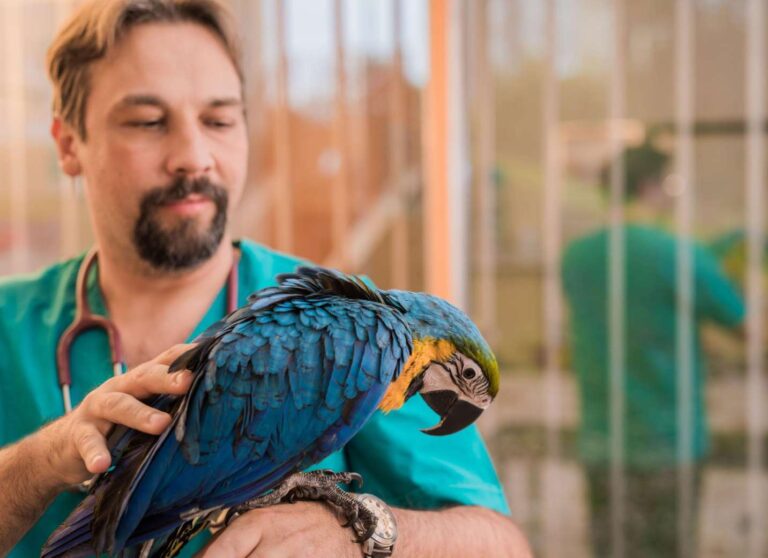
Reptile insurance is becoming more important as exotic pet ownership continues to grow across the United States. In this guide, we explain how reptile insurance works, what it covers, and how much it costs so you can make a smart choice for your pet.

Why Reptile Insurance Is Growing in Demand
Reptiles such as snakes, geckos, and bearded dragons are now common household pets. Therefore, more owners are looking for financial protection. However, exotic vet care can be expensive because it requires specialized knowledge.
- Vet visits for reptiles often cost more than standard pet care
- Emergency treatment may require advanced equipment
- Long-term illnesses can increase total expenses
In addition, reptile care insurance helps reduce unexpected financial stress and improves access to proper treatment.
What Reptile Insurance Usually Covers
Most reptile insurance plans focus on medical protection. For example, they help cover sudden illnesses and emergency care. Moreover, coverage may vary depending on the provider.
Veterinary Treatment
This includes diagnosis and treatment for common reptile health issues such as infections and metabolic diseases.
Emergency Care
However, emergencies like injuries or sudden illness are often the most expensive part of care.
Diagnostic Testing
In addition, X-rays, blood tests, and lab work may be included in many plans.
Surgery and Hospitalization
Therefore, insurance can help reduce the cost of complex procedures and hospital stays.
Medication and Follow-Up Care
Some policies also cover prescriptions and follow-up visits for recovery support.
What Is NOT Covered
Although coverage is helpful, exclusions are important to understand. Typically, most plans do not include:
- Pre-existing conditions
- Routine wellness checkups (unless added)
- Breeding-related issues
- Negligence or poor habitat care
How Much Does Reptile Insurance Cost?
The cost of reptile insurance depends on species, age, and coverage level. Generally, exotic pets cost more to insure because they require specialized care.
Average Monthly Cost Estimates
| Reptile Type | Monthly Cost | Coverage Level |
|---|---|---|
| Geckos & Small Lizards | $10–$25 | Basic coverage |
| Bearded Dragons | $20–$40 | Moderate coverage |
| Snakes | $15–$35 | Basic to mid coverage |
| Tortoises | $25–$60 | Comprehensive coverage |
For more veterinary guidance, visit the American Veterinary Medical Association. You can also explore pet coverage options from ASPCA Pet Health Insurance.
Factors That Affect Pricing
Moreover, several factors influence the final cost of reptile insurance:
- Species type: Rare reptiles usually cost more
- Age: Older reptiles may have higher premiums
- Health condition: Existing issues increase cost
- Coverage limits: Higher limits raise monthly price
Is Reptile Insurance Worth It?
In many cases, yes. A single emergency visit can cost hundreds or even thousands of dollars. Therefore, reptile insurance provides financial protection and peace of mind.
However, if you already have savings for emergencies, a basic plan may be enough.
Choosing the Right Plan
To choose wisely, compare providers carefully. In addition, check species eligibility and reimbursement rules.
- Compare multiple insurance companies
- Review exclusions closely
- Check exotic pet eligibility
- Look for flexible claim options
Final Thoughts
As exotic pet ownership continues to rise, reptile insurance is becoming a practical choice. It helps reduce stress and ensures better care for your pet. Ultimately, the right plan can protect both your reptile and your budget.
About the Author