Buying Your First Car? Discover If Full Coverage Insurance Is Worth the Extra Cost
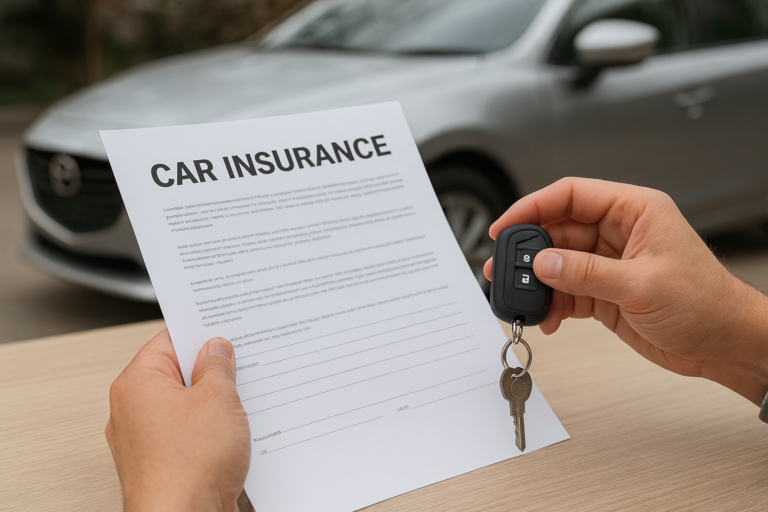
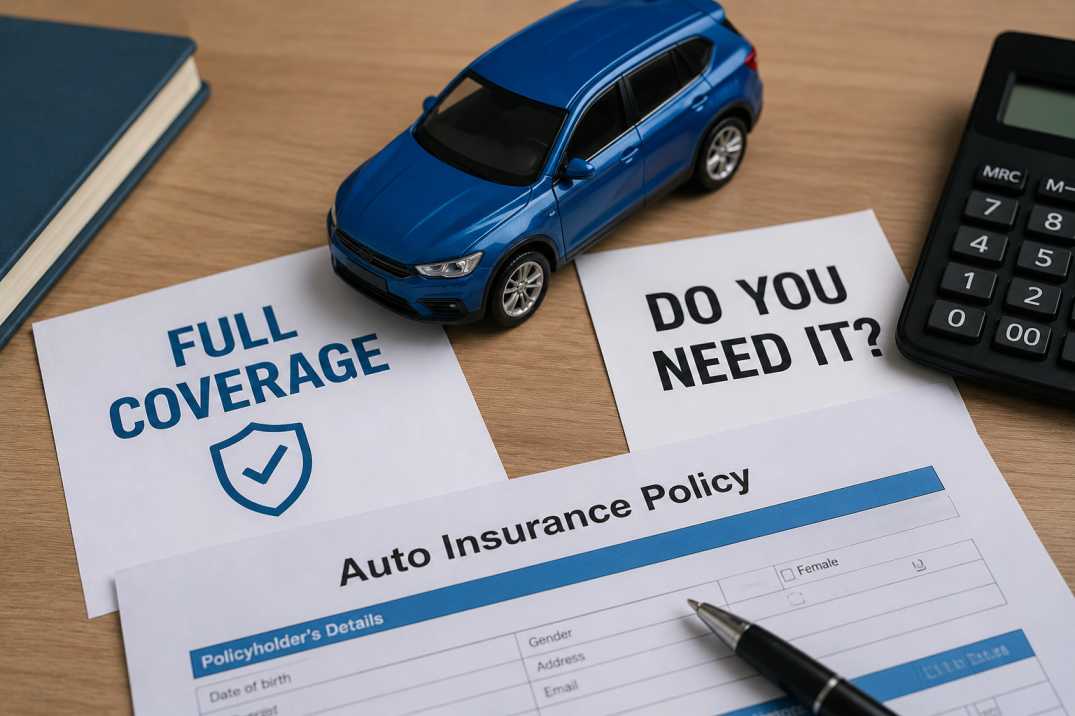
Full coverage first car insurance is a key decision for every new driver choosing a first car policy. At the beginning, many beginners compare full protection with cheap liability coverage. However, the right choice depends on your budget, car value, and risk level.
What Does Full Coverage Mean?
To understand better, full coverage is not a single policy. Instead, it combines multiple protections that work together. In most cases, it includes:
- Liability insurance (required in most US states)
- Collision coverage (pays for your car after an accident)
- Comprehensive coverage (theft, weather damage, vandalism)
Because of this, a first car policy with full coverage gives stronger financial protection, especially for new or financed cars.

Liability vs Full Coverage: Key Differences
| Type | What It Covers | Best For |
|---|---|---|
| Liability Only | Damage you cause to others | Older cars, tight budgets |
| Full Coverage | Your car + others involved | New or financed vehicles |
When Full Coverage Makes Sense
In many situations, full coverage first car insurance is the safer choice. For example, if your car is new, protection is more important. Moreover, lenders often require it if your vehicle is financed or leased.
- Your car is new or recently purchased
- Your vehicle is financed or leased
- You cannot afford major repair costs
- You are a new or inexperienced driver
When Basic Coverage May Be Enough
However, liability-only insurance can still work in some cases. If your car has low value, paying for full coverage may not be cost-effective. In addition, if replacing the car would not cause financial stress, basic coverage can be enough.
- Older car with low market value
- Low replacement cost
- Very limited insurance budget
What Affects Your First Car Policy Cost?
The price of a first car policy can vary widely. Therefore, two similar drivers may still pay different rates. Several key factors influence the cost:
- Driving experience and age
- Car type, make, and model
- Location and traffic conditions
- Deductible amount chosen
- Credit history (in many US states)
Smart Beginner Strategy
Instead of only choosing the cheapest plan, it is better to balance cost and protection. For instance, you can raise your deductible to lower monthly payments. Meanwhile, you can still keep full coverage for a newer vehicle.
- Choose higher deductibles to reduce cost
- Keep full coverage for new cars
- Switch to liability-only for older vehicles
Quick Decision Checklist
To make things easier, use this checklist. As a result, you can quickly decide what fits your situation:
- Is your car worth more than $5,000?
- Would replacing it cause financial stress?
- Is the car financed or leased?
- Are you a new driver?
If most answers are yes, then full coverage first car insurance is usually the better option.
Helpful Resources
For more guidance on auto insurance basics, you can explore trusted sources:
Final Thoughts
In conclusion, choosing full coverage first car insurance depends on your financial situation and vehicle value. New drivers often start with full protection. However, over time, many switch to cheaper plans. Ultimately, the best first car policy is the one that balances cost, safety, and peace of mind.
About the Author