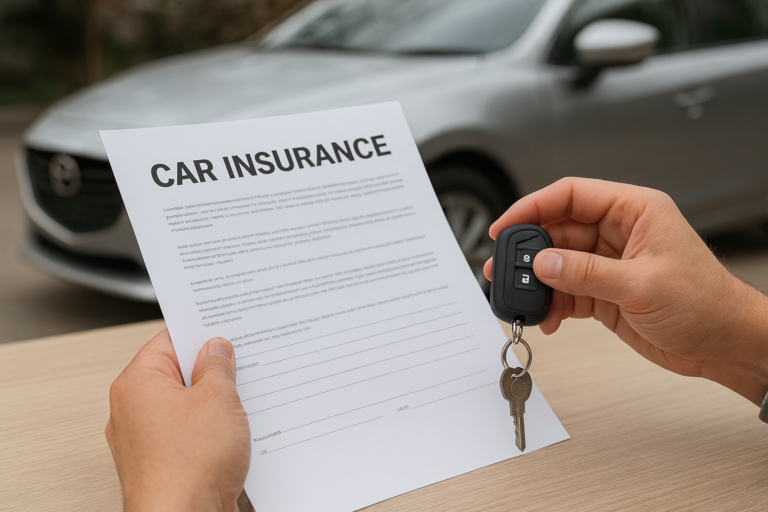
State minimum insurance is often the first step for many new drivers in the United States. In fact, most beginners start with a basic car policy because it is affordable and meets legal driving requirements. However, it is important to understand what it truly protects—and what it does not.
In this guide, you will learn how state minimum insurance works, why it is popular among first-time drivers, and how it compares with better protection options. As a result, you can make a smarter decision for your first car policy.
What Is State Minimum Car Insurance?
State minimum insurance is the lowest level of auto coverage required by law in each US state. Moreover, every state sets its own rules, but most require liability coverage at a minimum.
- Bodily Injury Liability: Pays for injuries you cause to others.
- Property Damage Liability: Pays for damage you cause to another vehicle or property.
For beginners, this is often called a starter auto insurance plan because it keeps you legal while staying low-cost.
What State Minimum Insurance Covers
To make it simple, a basic car policy mainly protects other people—not you or your car. For example:
| Coverage Type | What It Covers |
|---|---|
| Bodily Injury Liability | Medical costs for others in an accident you cause |
| Property Damage Liability | Repair or replacement of another vehicle or property |
What It Does NOT Cover
However, many first-time drivers are surprised by what is not included. In reality, state minimum insurance does NOT cover:
- Your own vehicle damage
- Your medical bills
- Theft or vandalism
- Weather damage like floods or storms
Therefore, many experts recommend higher coverage when possible for better financial safety.
Why First-Time Drivers Choose State Minimum Insurance
There are a few clear reasons why beginners choose this option. For instance:
- Low cost: It is usually the cheapest legal option.
- Legal requirement: It meets state driving laws.
- Simple structure: Easy to understand for new drivers.
As a result, it is often the default choice for a first basic car policy.
Risks of Only Having Minimum Coverage
Although it is affordable, it comes with financial risks. For example, if you are at fault in an accident, you may still pay out of pocket.
- Repair costs for your own car
- Medical expenses for yourself
- Costs above policy limits
Example Scenario
If you cause $15,000 in damage but your policy only covers $10,000, then you must pay the remaining $5,000 yourself.
Visual Guide: How Minimum Coverage Works
In simple terms, state minimum insurance protects others first, and you last.
State Minimum Insurance vs Full Coverage
Let’s compare both options clearly:
| Feature | State Minimum Insurance | Full Coverage |
|---|---|---|
| Cost | Low | Medium to High |
| Own Car Protection | No | Yes |
| Legal Requirement | Yes | No (unless financed) |
Factors That Affect Your Premium
Additionally, your insurance cost depends on several factors:
- Age and driving experience
- Type of vehicle
- Driving record
- State laws
- Credit score (in some states)
Tips for First-Time Drivers
To get better value from your first policy, follow these tips:
- Compare quotes from different insurers
- Consider higher liability limits if affordable
- Ask about safe driver discounts
- Read policy details carefully
Trusted Resources for More Information
For more details, you can visit:
Final Thoughts
In conclusion, state minimum insurance is a useful starting point for many first-time drivers. It keeps you legal and reduces upfront costs. However, it does not fully protect your own finances.
Therefore, as your budget improves, upgrading your basic car policy can give you stronger protection and peace of mind.
FAQ
Is state minimum insurance enough for beginners?
Legally yes, but financially it may not be enough in serious accidents.
Can I drive with only minimum coverage?
Yes, if your state allows it and you meet all legal requirements.
Why is it so cheap?
Because it only covers limited liability and does not protect your own car.
About the Author