Many drivers struggle to understand the difference between comprehensive vs collision coverage. Choosing the right option can help you avoid large repair bills and protect your finances after unexpected damage.
Both types of coverage protect your vehicle, but they cover different situations. This guide explains how each works, what they usually cost, and when each option makes sense.
What Is Comprehensive Coverage?
Comprehensive coverage protects your vehicle from damage that does not come from a traffic collision. Insurance companies often call it “other than collision” coverage.
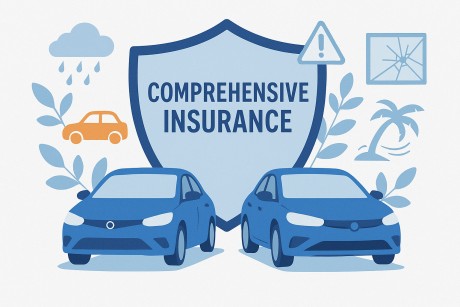
Comprehensive coverage may help pay for damage caused by:
- Fire
- Theft
- Vandalism
- Floods, storms, or earthquakes
- Falling trees or branches
- Animal-related damage
This type of protection can be useful if you live in an area with severe weather or if your car has a high market value.
Average Cost of Comprehensive Coverage
The cost depends on your location, vehicle type, driving history, and insurer. In many cases, drivers pay around 10% to 20% more each year when adding comprehensive vs collision coverage to a policy.
What Is Collision Coverage?
Collision coverage helps pay for repairs if your vehicle hits another vehicle or object. It also covers damage if another driver hits your car.
Collision coverage commonly includes:
- Accidents involving another vehicle
- Damage from hitting poles, walls, or guardrails
- Single-car accidents
- Vehicle rollover accidents
Drivers with financed or leased vehicles often need collision coverage because lenders usually require it.
Average Cost of Collision Coverage
Collision coverage often costs more than comprehensive coverage .Furthermore, Many drivers pay about 20% to 40% more annually after adding collision protection.
Comprehensive vs Collision Coverage: Main Differences
The biggest difference involves the type of damage covered.
- Comprehensive coverage handles non-collision events such as theft, weather, or vandalism.
- Collision coverage handles accidents involving vehicles or objects.
Some drivers choose comprehensive vs collision coverages for broader protection.Moreover, Others select only one option based on their budget and vehicle value.
When Should You Choose Comprehensive Coverage?
Comprehensive coverage may work well if:
- You live in an area with storms or flooding
- Your vehicle has a high resale value
- You park outside regularly
- You worry about theft or vandalism
When Should You Choose Collision Coverage?
Collision coverage may make more sense if:
- You drive frequently in busy areas
- Your car loan or lease requires it
- You want help paying for accident repairs
- Your vehicle would cost a lot to repair or replace
Should You Carry Both Coverages?
Many drivers combine comprehensive vs collision coverage for stronger financial protection. Together, they can cover a wider range of situations.
Comprehensive insurance provides broad financial protection against multiple types of risks, helping individuals and businesses stay secure during unexpected events. It can cover property damage, medical expenses, liability claims, theft, and natural disasters depending on the policy. Moreover, comprehensive insurance gives peace of mind because it reduces the financial burden caused by accidents or emergencies. In addition, policyholders can customize coverage based on their specific needs and budget. Therefore, choosing a reliable comprehensive insurance plan is an effective way to protect your assets and future stability.
Still, older vehicles with low market value may not need both options. Compare the cost of coverage with the value of your car before making a decision.
Final Thoughts
Understanding comprehensive vs collision coverage helps you choose an auto insurance policy that matches your needs. Comprehensive coverage protects against theft, weather, and other non-collision risks. Collision coverage focuses on accident-related damage.
Before choosing coverage, review your driving habits, local risks, and vehicle value. Comparing multiple insurance quotes can also help you find affordable protection.
For more information about auto insurance coverage, visit the Insurance Information Institute or check guidance from the Consumer Financial Protection Bureau.
About the Author