
Specialized insurance helps protect online exotic pet sellers from liability and shipping-related losses.
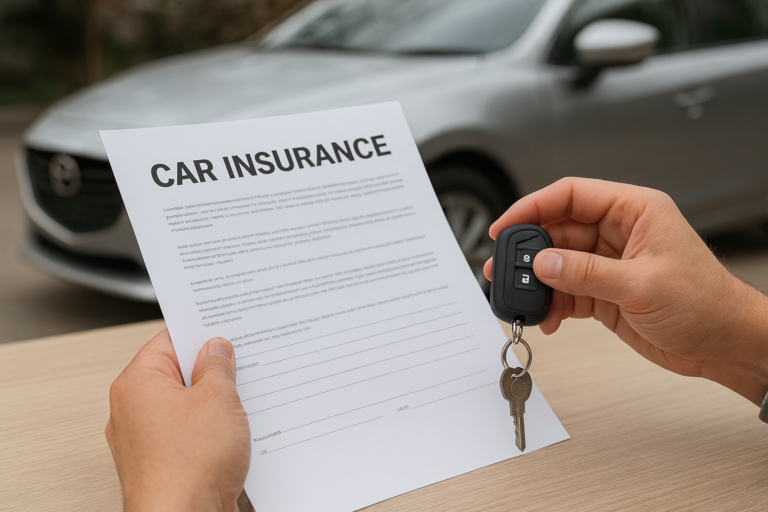
Many small e-commerce entrepreneurs in the United States rely on personal vehicles to deliver orders directly to customers. While this approach helps reduce startup costs, it also creates a serious insurance gap that most beginners do not realize until a claim is denied. Understanding seller auto insurance is essential if you are using your car for business deliveries, even part-time.
Furthermore, as online selling continues to grow, more individuals are turning their personal vehicles into business tools. Whether you sell through Shopify, Etsy, Amazon, Facebook Marketplace, or your own website, vehicle-related risks increase the moment you start using your car for business purposes. Therefore, having the right insurance coverage is no longer optional—it is an important part of protecting your business.
This guide explains how seller auto insurance works, what risks online sellers face, how insurance companies classify vehicle use, and which coverage options provide the best protection. In addition, we will discuss costs, money-saving tips, common mistakes, and practical strategies to help you choose the right policy.
According to the Insurance Information Institute (III), personal auto policies may not always cover business-related driving activities, making it important for online sellers to understand their coverage limitations.

Why Auto Insurance Matters for Online Sellers
Running an online store often starts small. Initially, many entrepreneurs package products at home and personally deliver orders to nearby customers. Although this method saves shipping expenses, it can create unexpected insurance problems.
Most people assume their personal auto insurance automatically covers delivery-related driving. However, that assumption is often incorrect. Insurance companies evaluate risk based on how a vehicle is used. As a result, once your vehicle becomes part of your business operations, your personal policy may not provide the protection you expect.
For example, if you are involved in an accident while delivering products to customers, your insurer may investigate the purpose of the trip. If they determine that the vehicle was being used for business activities not disclosed in your policy, they could deny the claim.
Consequently, a single accident could result in thousands of dollars in repair costs, legal expenses, or liability claims.
Common situations where online sellers use personal vehicles:
- Delivering local customer orders
- Transporting inventory from suppliers
- Taking products to shipping centers
- Attending trade shows or local markets
- Picking up wholesale merchandise
- Transporting packaging materials
Therefore, even small-scale sellers should understand how insurance companies classify these activities.
Understanding Seller Auto Insurance
Seller auto insurance refers to vehicle coverage designed for individuals who use their vehicles for business-related activities connected to selling products.
Unlike standard personal insurance, seller auto insurance recognizes that business driving creates additional risks. Because delivery drivers spend more time on the road, insurers view them as having a higher likelihood of accidents.
Moreover, business driving often involves:
- Increased mileage
- Frequent stops
- Driving in unfamiliar areas
- Carrying valuable merchandise
- Operating under delivery deadlines
As a result, insurers may require additional coverage to adequately protect both the driver and the business.
The Difference Between Personal and Business Vehicle Use
One of the most important concepts online sellers must understand is the distinction between personal and business use.
Personal Vehicle Use
Personal use typically includes:
- Commuting to work
- Grocery shopping
- Visiting friends and family
- Running personal errands
- Recreational driving
Insurance companies expect these activities when pricing a standard auto policy.
Business Vehicle Use
Business use generally includes:
- Delivering customer orders
- Transporting products
- Meeting clients
- Visiting suppliers
- Carrying business equipment
- Conducting sales-related activities
Because business driving increases exposure to risk, insurers often require additional protection.
Commercial Vehicle Use
Commercial use usually involves:
- Frequent deliveries
- Daily transportation of goods
- Operating multiple vehicles
- Dedicated delivery services
- Full-time business transportation
Therefore, the more frequently you use your vehicle for your business, the more likely you need specialized coverage.
Why Claims Get Denied
Many online sellers only discover coverage gaps after filing a claim.
Imagine the following scenario:
You sell handmade products through Etsy and personally deliver orders twice a week. One afternoon, while delivering a package, another vehicle collides with your car.
Initially, everything seems straightforward. However, during the claims investigation, the insurance company discovers you were making a business delivery.
If your policy excludes business use, the insurer may:
- Deny vehicle repair coverage
- Refuse liability protection
- Reject medical payment claims
- Cancel your policy
- Increase future premiums
Therefore, failing to disclose business use can become extremely expensive.
What Basic Auto Insurance Usually Covers
Most personal auto insurance policies contain several primary coverage types.
Liability Coverage
Liability insurance pays for damages or injuries you cause to others.
This typically includes:
- Property damage
- Medical expenses
- Legal defense costs
- Settlement expenses
However, liability coverage may not apply if the accident occurred during undeclared business activities.
Collision Coverage
Collision insurance covers damage to your own vehicle after an accident.
Examples include:
- Vehicle repairs
- Replacement costs
- Collision-related damages
Nevertheless, policy exclusions can apply during business use.
Comprehensive Coverage
Comprehensive insurance covers non-collision events such as:
- Theft
- Fire
- Vandalism
- Falling objects
- Storm damage
- Floods
Although comprehensive coverage often remains active, policy wording varies significantly among insurers.
Uninsured Motorist Coverage
This protection helps when another driver lacks insurance.
It may cover:
- Medical expenses
- Lost wages
- Vehicle damages
As a result, many experts recommend carrying this protection regardless of business use.
Risks Online Sellers Face Every Day
Many sellers underestimate how quickly delivery-related risks can accumulate.
Increased Driving Exposure
The more time spent on the road, the greater the likelihood of accidents.
Even careful drivers face risks from:
- Distracted drivers
- Poor weather
- Road construction
- Heavy traffic
- Mechanical failures
Product Damage
Inventory can become damaged during transportation.
Common examples include:
- Broken electronics
- Crushed packaging
- Water damage
- Lost merchandise
Consequently, sellers may face customer complaints and replacement costs.
Liability Lawsuits
Accidents involving injuries can lead to legal claims.
Without adequate insurance, sellers may be personally responsible for:
- Medical bills
- Legal fees
- Court judgments
- Settlement payments
Therefore, liability protection is one of the most important aspects of business-related auto coverage.
Theft Risks
Vehicles carrying inventory can attract thieves.
High-risk items include:
- Electronics
- Jewelry
- Designer products
- Collectibles
- Luxury goods
As a result, additional cargo or inventory coverage may be necessary.
Best Seller Auto Insurance Options
Fortunately, online sellers have several insurance solutions available.
1. Business Use Endorsement
A business use endorsement adds limited business protection to a personal auto policy.
Benefits include:
- Lower cost than commercial insurance
- Easy policy modification
- Additional business protection
- Suitable for occasional deliveries
This option often works well for beginners.
2. Commercial Auto Insurance
Commercial insurance provides broader protection for frequent business driving.
Benefits include:
- Higher liability limits
- Better business coverage
- Enhanced protection
- Greater flexibility
Therefore, growing businesses often choose commercial policies.
3. Hybrid Delivery Coverage
Some insurers now offer hybrid plans designed for:
- Gig workers
- Part-time sellers
- Seasonal businesses
- Flexible delivery schedules
These plans help bridge the gap between personal and commercial insurance.
4. Hired and Non-Owned Auto Coverage
If employees occasionally use their personal vehicles for business activities, this coverage can provide additional protection.
Consequently, businesses with workers should consider this option.
EV insurance costs for new drivers
Similar to other vehicle policies, insurance costs vary based on mileage, driving history, and vehicle type
How Much Does Seller Auto Insurance Cost?
Costs vary depending on multiple factors.
Vehicle Type
Newer vehicles generally cost more to insure because repair expenses are higher.
Delivery Mileage
Higher mileage increases accident exposure.
As a result, insurers often charge more for vehicles driven frequently.
Driver History
Insurance companies evaluate:
- Traffic violations
- Prior claims
- Accident history
- Driving experience
A clean record typically results in lower premiums.
Location
Urban areas usually have:
- More traffic
- Higher theft rates
- Greater accident frequency
Therefore, location significantly impacts pricing.
Coverage Limits
Higher coverage limits provide more protection but also increase premiums.
Nevertheless, many business owners find the additional security worthwhile.
Insurance Mistakes Online Sellers Should Avoid
Not Informing the Insurer
This is perhaps the most expensive mistake.
Always disclose business activities to avoid claim disputes.
Choosing Minimum Coverage
While minimum coverage saves money initially, it can create substantial financial exposure later.
Ignoring Liability Limits
Lawsuits can exceed basic policy limits.
Therefore, higher liability coverage often provides valuable protection.
Failing to Compare Quotes
Insurance rates vary significantly.
As a result, comparing multiple providers can lead to substantial savings.
Forgetting Annual Reviews
Businesses evolve over time.
Consequently, insurance needs should be reviewed every year.
How to Reduce Insurance Costs
Fortunately, several strategies can help lower premiums.
Bundle Insurance Policies
Combining multiple policies often unlocks discounts.
Examples include:
- Auto + home insurance
- Auto + renters insurance
- Auto + business insurance
Maintain a Clean Driving Record
Safe driving remains one of the most effective ways to reduce premiums.
Increase Deductibles
Higher deductibles usually lower monthly costs.
However, ensure the deductible remains affordable.
Use Telematics Insurance Programs
Many insurers reward safe driving through tracking programs. Even with telematics insurance programs you can still save money by comparing quotes, maintaining a clean driving record, and exploring modern insurance discounts.
Potential discounts may reach 10% to 30%.
Limit Delivery Areas
Reducing unnecessary mileage can lower risk and potentially reduce premiums.
cheap first car insurance tips
New business owners should also learn proven strategies for finding affordable coverage.
Choosing the Right Insurance Provider
Not all insurers treat online sellers the same way.
When comparing providers, evaluate:
- Business-use flexibility
- Claims reputation
- Customer support
- Coverage options
- Premium costs
- Policy exclusions
Furthermore, ask specific questions regarding delivery activities before purchasing coverage.
Additionally, the National Association of Insurance Commissioners (NAIC) provides consumer resources that help small business owners understand commercial and business-use auto insurance requirements.
Seller Auto Insurance Checklist
Use this checklist to evaluate your situation:
You may need additional coverage if:
✅ You deliver products regularly
✅ You transport inventory frequently
✅ You visit suppliers often
✅ You attend markets or trade shows
✅ You use your vehicle to generate income
✅ Your vehicle carries valuable merchandise
If you checked multiple boxes, speaking with an insurance professional is highly recommended.
Future Trends in Seller Auto Insurance
The insurance industry continues evolving alongside e-commerce.
Emerging trends include:
- Usage-based insurance
- AI-powered risk assessment
- Flexible monthly coverage
- On-demand commercial policies
- Enhanced delivery-driver protection
Therefore, online sellers may see more affordable and customized options in the coming years.
Final Thoughts
Using a personal vehicle for business deliveries may seem simple, but it introduces risks that many entrepreneurs overlook. Consequently, understanding seller auto insurance is essential for protecting both your vehicle and your business.
Whether you operate a small Etsy shop, a growing Shopify store, or a local e-commerce business, having the correct insurance coverage can prevent costly claim denials and financial setbacks. Furthermore, choosing the right policy allows you to focus on growing your business rather than worrying about unexpected risks.
Ultimately, the best approach is to review your current policy, honestly disclose how your vehicle is used, compare coverage options, and select protection that matches your business activities. By doing so, you can deliver products confidently while safeguarding your income and future growth.
Frequently Asked Questions (FAQs)
Is personal auto insurance enough for online sellers?
Not always. Regular deliveries often require business-use or commercial coverage.
Can an insurer deny my claim if I do not disclose delivery work?
Yes. Many insurers may deny claims if business use was not reported.
What is the cheapest option for occasional deliveries?
A business-use endorsement is often the most affordable solution for part-time sellers.
Do Shopify and Etsy sellers need commercial insurance?
Not necessarily. Coverage depends on delivery frequency and vehicle usage.
How often should I review my insurance policy?
At least once per year or whenever your business activities significantly change.
Does seller auto insurance cover the products inside my vehicle?
Not always. Additional cargo or business property coverage may be required for inventory protection.
About the Author