
Driving electric in 2026? ⚡🚗 Know your EV insurance costs before you hit the road.
New driver car insurance cost is one of the biggest concerns for first-time drivers in 2026. Rising repair expenses, stricter state regulations, and higher claim payouts have pushed insurance prices upward across the United States. As a result, beginners are paying more for their first car policy than in previous years.
However, affordable coverage is still possible. By comparing quotes, choosing the right vehicle, and understanding coverage options, new drivers can lower costs and find reliable protection. This beginner policy guide explains average insurance prices, key pricing factors, and practical ways to save money in 2026.
Suggested URL: /new-driver-car-insurance-cost-2026/
Average New Driver Car Insurance Cost in 2026
The average new driver car insurance cost in 2026 ranges from $2,400 to $7,200 per year. Rates depend on age, driving history, location, vehicle type, and selected coverage.
| Driver Type | Estimated Monthly Cost | Estimated Annual Cost |
|---|---|---|
| Teen driver (16-19) | $350 – $600 | $4,200 – $7,200 |
| Young adult beginner (20-25) | $220 – $450 | $2,640 – $5,400 |
| Adult new driver (26+) | $180 – $350 | $2,160 – $4,200 |
In most states, full coverage costs much more than minimum liability insurance. Nevertheless, many drivers choose extra protection because repair bills and medical expenses continue to increase.
Why Insurance Rates Are Rising in 2026
Insurance companies increased premiums throughout 2025 and 2026 for several reasons. Consequently, first-time driver insurance has become far more expensive than before.
- Higher vehicle repair costs
- More expensive electric vehicle parts
- Rising medical and legal expenses
- More weather-related damage claims
- Increased accident claim payouts
- New state insurance regulations
In addition, beginners usually have limited driving experience. Therefore, insurers consider them higher-risk customers.
What Affects New Driver Car Insurance Cost?
1. Driver Age
Younger drivers almost always pay more. Teenagers receive the highest rates because insurers associate inexperience with increased accident risk.
2. Location
Insurance rates vary by ZIP code and state. For example, drivers in crowded urban areas usually pay more than drivers in small towns.
3. Vehicle Choice
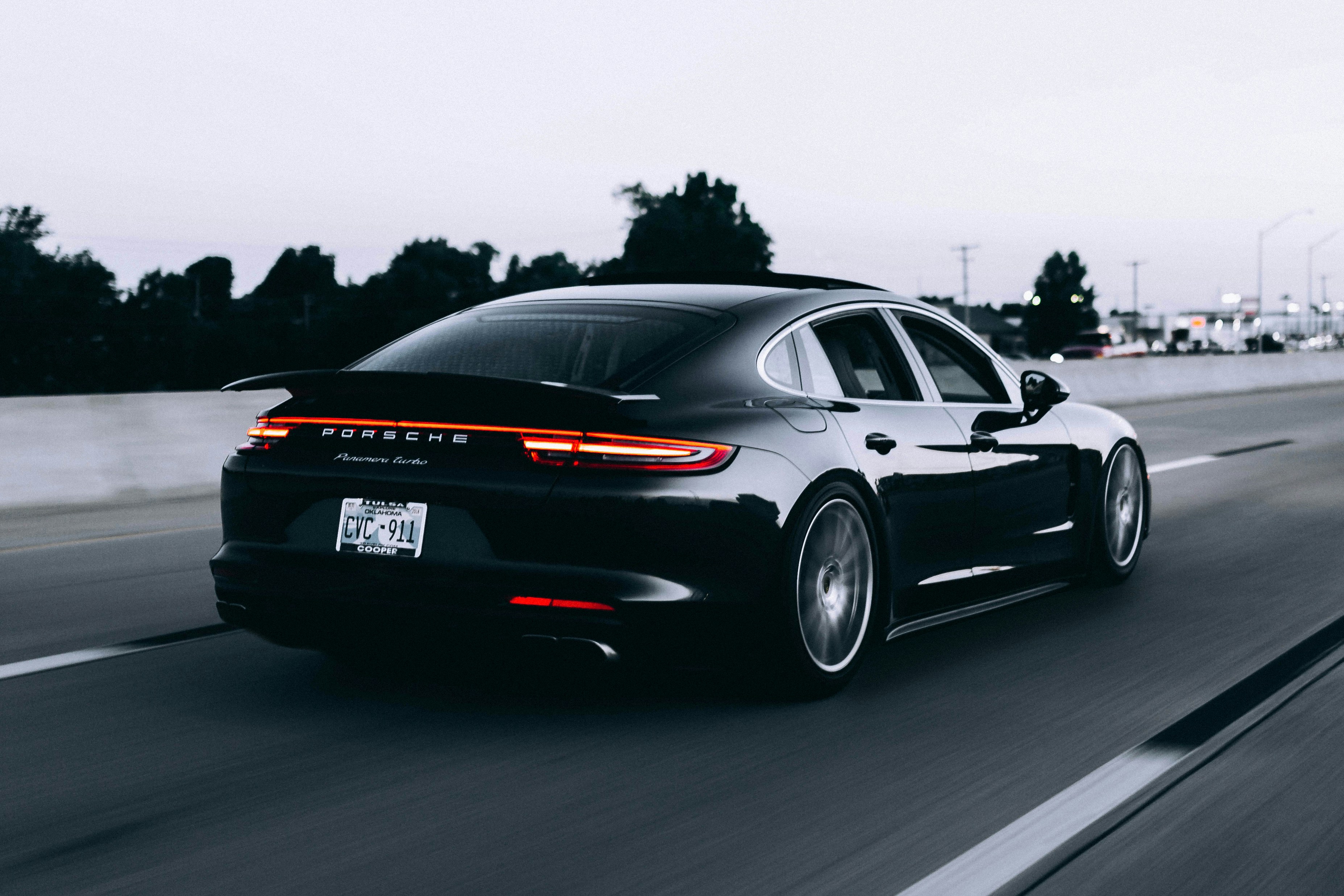
A safe economy sedan normally costs less to insure than a luxury sports car. Moreover, vehicles with advanced safety features often qualify for lower premiums.
4. Coverage Level
Basic car policy coverage costs less upfront. However, lower coverage limits may create larger out-of-pocket expenses after an accident.
5. Credit History
Many insurers use credit-based insurance scores. As a result, drivers with stronger credit often receive lower rates.
6. Driving Record
Even a single speeding ticket can increase premiums. Therefore, maintaining a clean record is extremely important for beginners.
Cheapest Car Insurance Options for Beginners
Many insurers now offer starter auto insurance programs designed specifically for inexperienced drivers. Even so, comparing several providers remains essential.
Minimum Liability Coverage
This is usually the cheapest legal option. However, it only covers damage caused to others.
Usage-Based Insurance
Telematics programs monitor driving behavior through an app or device. Safe driving habits can lead to significant discounts.
Family Policy Add-Ons
Adding a beginner to a parent policy is often cheaper than purchasing a standalone plan.
Defensive Driving Discounts
Many insurers provide discounts for approved driving courses. Consequently, new drivers can save money while improving road safety.
How Much Does Full Coverage Cost?
Full coverage combines liability, collision, and comprehensive protection. In 2026, average monthly costs range from $250 to $600 for beginners.
Although full coverage costs more, it also protects against:
- Vehicle theft
- Storm damage
- Collision repairs
- Vandalism
- Medical bills
- Uninsured drivers
Additionally, lenders often require full coverage for financed vehicles.
Best Ways to Lower Insurance Costs
Compare Multiple Quotes
Rates can vary widely between companies. Therefore, shopping around is one of the easiest ways to save money.
Choose a Safe Vehicle
Reliable cars with strong safety ratings often qualify for cheaper coverage.
Increase Your Deductible
Higher deductibles reduce monthly premiums. However, drivers must pay more after a claim.
Maintain Good Grades
Students with strong academic records may qualify for good student discounts.
Avoid Coverage Gaps
Continuous insurance history can help prevent premium increases over time.
State Regulations Affecting Insurance in 2026
Several states introduced updated insurance rules in 2026. Some states increased minimum liability requirements, while others tightened premium approval processes.
Because of these changes, insurance prices have become more time-sensitive. Therefore, many beginners now search for updated cost estimates before buying a policy.
Drivers can review state insurance requirements through the National Association of Insurance Commissioners. In addition, consumers can compare vehicle safety ratings on the National Highway Traffic Safety Administration website.
Common Mistakes Beginners Make
- Choosing the cheapest policy without reviewing coverage
- Ignoring deductibles
- Failing to compare quotes
- Skipping uninsured motorist protection
- Buying very low liability limits
- Missing available discounts
How to Choose the Right First Car Policy
The best first-time driver insurance plan depends on your budget, vehicle value, and financial goals. Before buying coverage, beginners should compare:
- Monthly premiums
- Deductible amounts
- Liability limits
- Customer reviews
- Claims handling reputation
- Discount programs
Furthermore, reading a beginner policy guide can help new drivers understand important insurance terms before signing a contract.
Final Thoughts
The average new driver car insurance cost in 2026 is higher than in previous years. Even so, beginners can still find affordable coverage with careful research and smart decision-making.
Comparing quotes, selecting a safe vehicle, maintaining good driving habits, and understanding policy details can lower costs significantly. Whether you need a simple auto coverage plan or a full driver protection plan, taking time to compare options can save money and improve long-term protection.
About the Author