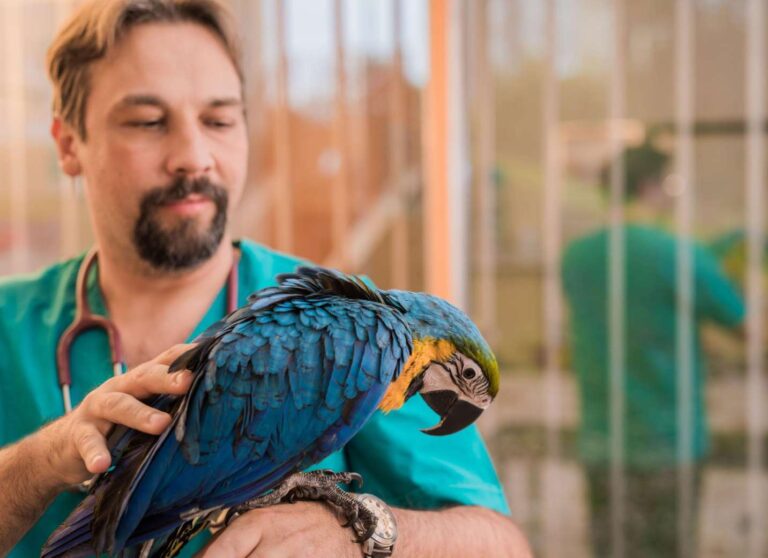
Protect your beautiful parrot with exotic bird insurance that covers medical care, accidents, and unexpected health risks.
Introduction
Bird insurance is becoming more important as more pet owners bring parrots, cockatiels, macaws, and other exotic birds into their homes. Choosing the right plan can feel confusing—especially when you’re trying to understand exclusions, emergency care rules, and overall policy fit.
This guide explains bird insurance in plain English, focuses on what matters for U.S. owners, and walks you through how to compare plans so you can make a confident decision.
What is Exotic Bird Insurance and Why It Matters
Exotic Bird insurance is a type of specialty pet insurance that helps reimburse veterinary costs for avian pets. Birds often require veterinarians with avian expertise and specialized diagnostics, which makes care more expensive than for many common pets. With a proper policy, pet owners can manage costly emergencies, long-term illness care, and advanced diagnostics without bearing the full financial burden.
Common expenses bird insurance helps with:
- Emergency veterinary visits and hospitalization
- Diagnostic testing (bloodwork, X-rays, endoscopy)
- Treatment for illnesses and chronic conditions
- Accident and injury care, including surgical procedures
Why this matters: A single emergency visit or diagnostic work-up for a parrot can exceed several hundred to a few thousand dollars. Exotic Pet Insurance reduces financial stress and improves the likelihood that owners will seek timely care.
Types of Coverage Available
Bird insurance providers commonly offer several types of coverage structures. Understand these to match a policy to your bird’s needs.
- Accident-only plans: Cover injuries from accidental events (e.g., falls, cage accidents, toxins). Usually the cheapest option but limited.
- Accident + illness plans: Cover both accidents and illnesses, including infections and many chronic diseases. The most common choice for bird owners.
- Wellness/add-on plans: Cover routine care such as annual exams, nail trims, beak care, and vaccinations where applicable. Often sold as riders for an extra premium.
- Specified-condition plans: Some insurers offer tailored policies for particular needs (e.g., hereditary conditions or behavioral therapy). Availability is limited.
Key features to compare
When you’re comparing policies, focus on these plan elements:
- Reimbursement rate: Typical ranges are 70%–90%. Higher reimbursement reduces out-of-pocket costs but may raise premiums.
- Deductible: Annual or per-condition deductibles change how much you pay before insurance pays. Lower deductibles increase premiums.
- Annual limits: Some plans cap payouts per year. Ensure the limit covers potential high-cost scenarios.
- Waiting periods: Illness and orthopedic waiting periods vary; accidents often have shorter waits.
- Exclusions: Pre-existing conditions, breeding-related issues, and cosmetic procedures are commonly excluded.
- Network access: Confirm the policy covers care from avian veterinarians or allows you to visit any licensed vet and then claim reimbursement.
Who Needs Bird Insurance
Consider bird insurance if:
- You own a parrot or large bird (e.g., macaw, cockatoo), which usually have higher treatment costs.
- Your bird lives indoors and has higher risk of household accidents or toxin exposure.
- You want financial protection against costly emergencies or chronic conditions.
- You plan to keep your bird long-term; avian pets frequently have long lifespans and age-related illnesses.
Types of Birds Typically Covered
Most insurers cover a broad range of companion birds, like Bird Insurance for Parrot and Cockatiels, though exact species lists vary by company:
- Parrots: African Grey, Macaw, Amazon, Eclectus
- Cockatiels and Lovebirds
- Small pet birds: Budgies (parakeets), canaries, finches
- Some insurers accept rarer exotic species; others limit acceptance by species, age, or health status
Common Exclusions and Limitations
Read the fine print—common exclusions include:
- Pre-existing conditions (symptoms or diagnosis before policy start)
- Breeding, pregnancy, and fertility-related treatments
- Cosmetic or elective procedures
- Some behavioral issues unless specifically covered
- Certain exotic species or birds above an age threshold
Emergency Care: What to Expect
Emergencies can be sudden—respiratory distress, severe bleeding, or trauma from a fall. A good policy should cover:
- Emergency exam fees and stabilization
- Hospitalization and oxygen therapy
- Imaging (X-rays, CT where available) and endoscopy
- Emergency surgery and post-op care
Finding an Avian Veterinarian
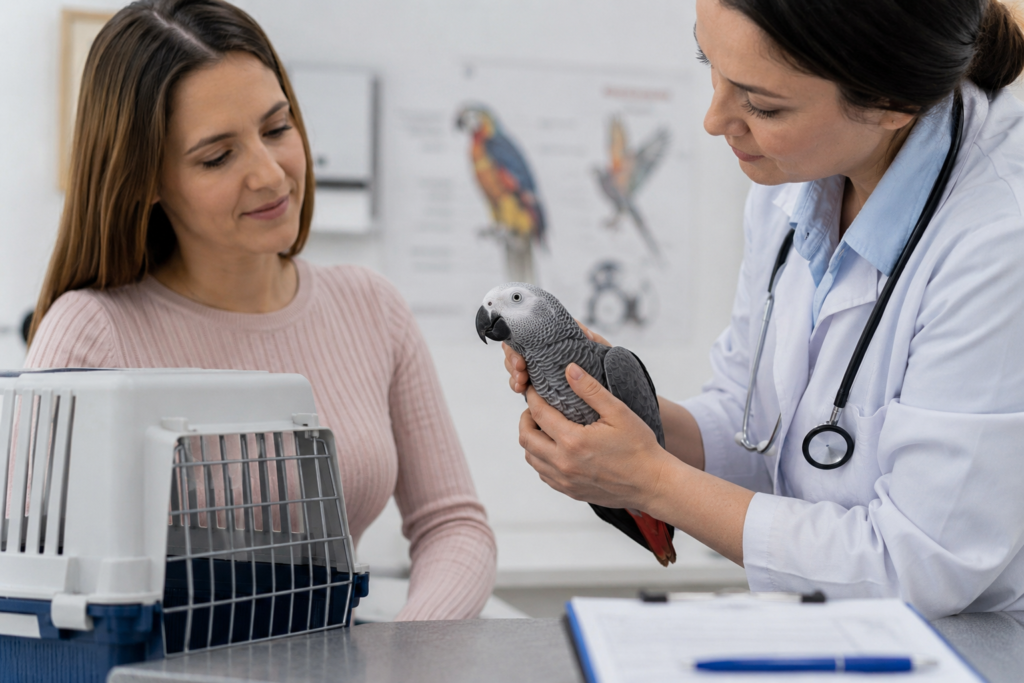
Make sure your plan reimburses visits to qualified avian veterinarians. If you don’t have an avian specialist nearby:
- Check the Association of Avian Veterinarians (AAV) directory for certified specialists: https://www.aav.org/
- Ask potential insurers how they handle out-of-network avian specialists and reimbursements.
How to Compare Bird Insurance Plans (Step-by-step)
- List your priorities (budget, reimbursement, annual limit, wellness coverage).
- Check species eligibility and age limits for providers.
- Compare reimbursements, deductibles, and annual limits side-by-side.
- Review waiting periods for illness, accidents, and specific procedures.
- Read exclusions and definition of pre-existing conditions carefully.
- Confirm claim submission process and average claim turnaround time.
- Look for customer reviews and third-party ratings related to avian claims.
You should compare quotes from multiple providers, including Nationwide Pet Insurance, before choosing the best coverage for your bird.
Cost of Bird Insurance in the U.S.
Cost varies by species, age, location, and coverage level:
- Small birds (budgies, canaries): lower monthly premiums, often $10–$25/month depending on plan features.
- Parrots and large birds: higher premiums, often $20–$70+/month for comprehensive plans.
- Older birds or birds with past health issues cost more or may be ineligible for some plans.
Before purchasing a policy, compare quotes from providers such as ASPCA Pet Health Insurance to understand coverage options, reimbursement rates, and deductibles. These are ballpark figures—get personalized quotes from multiple insurers for accuracy. In many cases, a serious emergency can cost more than a year or two of premiums combined, which makes insurance cost-effective for many owners.
Real-world Examples (illustrative)
- Example A: A cockatiel with an accidental wing injury needs surgery and X-rays; total bill $1,200. With a 80% reimbursement and $100 deductible, insurance would pay about $860 after the deductible.
- Example B: A macaw develops a chronic respiratory condition requiring repeated diagnostics and medication; cumulative treatment costs over a year could exceed $3,000. Long-term coverage and a higher annual limit matter here.
Why Bird Insurance Can Be Worth It
- Avoid financial barriers to seeking urgent care.
- Encourage early diagnostics, improving outcomes.
- Provide peace of mind for owners of long-lived species with potential age-related illnesses.
Wellness and Preventive Care: Is It Worth Adding?
Wellness riders can include annual exams, nail and beak trims, and parasite checks. Consider them if:
- You prefer predictable out-of-pocket expenses for routine care.
- Your bird visits the vet regularly for grooming or preventive screenings.
Note: Not all insurers offer robust wellness coverage for birds, so compare the value vs. added premium.
Policy Fit: Matching Your Bird’s Needs
Ask yourself:
- Is my bird a frequent traveler or mostly indoor?
- Does my bird have any prior conditions or risky behaviors (e.g., destructive chewing, flight accidents)?
- How comfortable am I paying a higher monthly premium for lower deductible and higher reimbursement?
How Claims Work (basic process)
- Visit a licensed vet for diagnosis/treatment.
- Pay the vet (some insurers offer direct billing; many require reimbursement claims).
- Submit claim forms, itemized invoices, and medical notes to your insurer.
- Receive reimbursement based on your plan’s reimbursement rate after deductible.
Top Questions to Ask When Buying
- Are avian specialists covered or required?
- How does the insurer define pre-existing conditions?
- What is the maximum annual payout?
- Are emergency and out-of-network fees covered?
- Is there a waiting period for illnesses and accidents?
FAQ — Bird Insurance (common questions)
- What is bird insurance?
Bird insurance is specialty pet insurance that helps reimburse veterinary costs for companion birds, including emergencies, diagnostics, illness, and sometimes wellness care. - Does bird insurance cover parrots and cockatiels?
Yes. Most insurers cover common companion species such as parrots (African Grey, macaw, Amazon) and cockatiels; coverage for rarer species varies by provider. - Is bird insurance worth it?
For many owners—especially of large or long-lived birds—yes. A single emergency or chronic illness can cost more than a year of premiums, so insurance can reduce financial risk and encourage timely care. - What does bird insurance typically exclude?
Common exclusions include pre-existing conditions, breeding-related care, cosmetic procedures, and certain behavioral treatments. Read each policy’s fine print for specifics. - How much does bird insurance cost?
Costs vary by species, age, location, and coverage. Small birds may be $10–$25/month; parrots and large birds often fall in the $20–$70+/month range for comprehensive plans. - When does coverage start?
Most policies have waiting periods—shorter for accidents and longer for illnesses. Waiting periods typically range from a few days for accidents to 14–30 days or more for illnesses. - Will insurers cover an avian specialist?
Many plans reimburse treatment from any licensed veterinarian; others have preferred provider rules. Confirm whether out-of-network avian specialists are covered and how claims are reimbursed. - Are pre-existing conditions covered?
Generally no. Conditions with symptoms, diagnosis, or treatment before the policy start date are usually excluded. Some insurers offer limited coverage for certain historic issues—check policy terms. - How do claims work for bird insurance?
You pay the vet (unless the insurer offers direct billing), then submit itemized invoices, medical records, and a claim form. The insurer reimburses based on your deductible and reimbursement percentage. - Can I get wellness coverage for my bird?
Yes—some insurers offer wellness or preventive riders that cover routine exams, nail trims, beak care, and parasite checks. These are usually optional add-ons for an extra premium. - Are there age limits for bird insurance?
Some companies set age limits or higher premiums for older birds. Eligibility often depends on species and the bird’s medical history. - How do I choose the best bird insurance plan?
Compare species eligibility, reimbursement rates, deductibles, annual limits, waiting periods, and exclusions. Verify coverage for avian specialists and read customer reviews focused on avian claims.
Conclusion
Bird insurance helps reduce financial barriers to timely and appropriate veterinary care for avian pets. Compare reimbursement, deductibles, annual limits, waiting periods, and species eligibility to choose the best plan for your bird. For U.S. owners, checking avian vet availability and policy exclusions is especially important. With the right coverage, you’ll be better prepared for emergencies and long-term health needs.
About the Author