Protect your bird with insurance that covers unexpected health emergencies.
Bird insurance can help parrot and cockatiel owners manage high avian vet bills in the United States. Exotic bird care is often expensive because avian specialists, emergency treatment, and diagnostic testing cost more than standard pet care. A good policy may help cover accidents, illnesses, medications, and surgery for your bird.
Parrots and cockatiels are intelligent pets that can live for many years. Because of their long lifespan, many owners now look for bird insurance before health problems appear. Understanding what coverage includes, what it excludes, and how much it costs can help you choose the right plan.
What Is Bird Insurance?
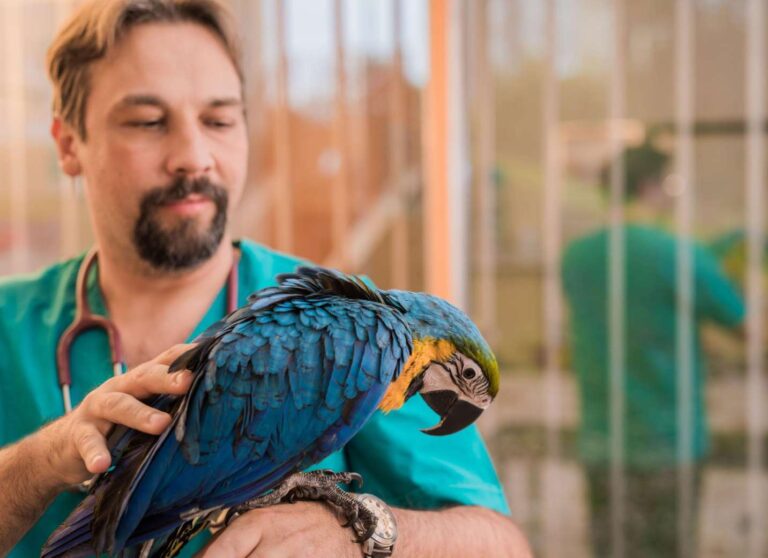
Bird insurance is a type of exotic pet insurance designed for pet birds such as parrots, cockatiels, macaws, conures, African greys, and cockatoos. These policies help owners pay for unexpected veterinary costs.
Unlike regular pet insurance for dogs and cats, avian coverage focuses on birds that need specialized medical care. Many avian veterinarians use advanced equipment and testing, which increases treatment costs.
You can learn more about exotic animal care from the Association of Avian Veterinarians.
Why Bird Owners Buy Insurance
Birds often hide signs of illness until their condition becomes serious. As a result, emergency treatment is common. Bird insurance helps owners prepare for these unexpected expenses.
- Emergency avian visits can cost hundreds of dollars.
- Specialized bird veterinarians are not available everywhere.
- Parrots may develop long-term health problems.
- Cockatiels can suffer from respiratory illnesses and dietary issues.
- Diagnostic tests and medications increase treatment costs.
What Bird Insurance Usually Covers
Coverage depends on the provider and policy type. However, most bird insurance plans include accident and illness protection.
Accident Coverage
Birds are curious animals and can injure themselves easily. Accident coverage may help pay for broken wings, burns, falls, or accidental poisoning.
Illness Coverage
Illness protection often covers infections, digestive problems, respiratory disease, feather plucking, and nutritional disorders.
Diagnostic Testing
Avian vets may use blood tests, X-rays, fecal exams, or imaging to diagnose problems. Bird insurance may reimburse part of these costs.
Medications and Hospital Care
Some policies help cover antibiotics, pain medication, hospitalization, and follow-up visits after treatment.
Emergency Surgery
Emergency surgery is one of the biggest reasons owners buy bird insurance. Procedures for fractures, egg binding, or internal injuries can become very expensive.
The VCA Animal Hospitals avian care guide explains common bird emergencies and treatment needs.
What Bird Insurance Does Not Cover
Most policies also include exclusions. Reading the policy details carefully is important before buying coverage.
- Pre-existing conditions
- Breeding expenses
- Cosmetic grooming
- Experimental treatments
- Neglect-related injuries
- Routine wellness care without add-ons
Some providers also apply waiting periods before illness coverage begins.
How Much Does Bird Insurance Cost?
Bird insurance costs vary based on the species, age, location, deductible, and reimbursement level. In the United States, many owners pay between $10 and $50 per month.
Factors That Affect Cost
- Bird species
- Age and health history
- Coverage limits
- Deductible amount
- Reimbursement percentage
- Availability of avian veterinarians nearby
Larger parrots, such as macaws and African greys, may cost more to insure because they live longer and often need advanced care.
Is Bird Insurance Worth It?
For many owners, bird insurance is worth the monthly cost. Emergency avian treatment can become expensive very quickly. Insurance may reduce financial stress and make it easier to approve important medical care.
Parrots and cockatiels also have long lifespans. Over time, they may develop health conditions that require regular veterinary visits and medication.
Tips for Choosing the Best Bird Insurance
Compare Coverage Carefully
Look at annual limits, reimbursement rates, and deductibles before choosing a policy.
Check Avian Vet Access
Make sure the insurer allows treatment from licensed avian veterinarians in your area.
Understand Waiting Periods
Many insurers delay illness coverage for several days or weeks after enrollment.
Read Reviews
Customer reviews can help you understand claim approval speed and reimbursement reliability.
Final Thoughts
Bird insurance offers financial protection for owners of parrots, cockatiels, and other exotic birds. Because avian treatment is specialized and costly, insurance can help cover unexpected medical bills and improve access to quality care.
Before choosing a policy, compare benefits, exclusions, reimbursement levels, and monthly costs carefully. The right bird insurance plan can protect both your pet and your budget for years to come.
About the Author