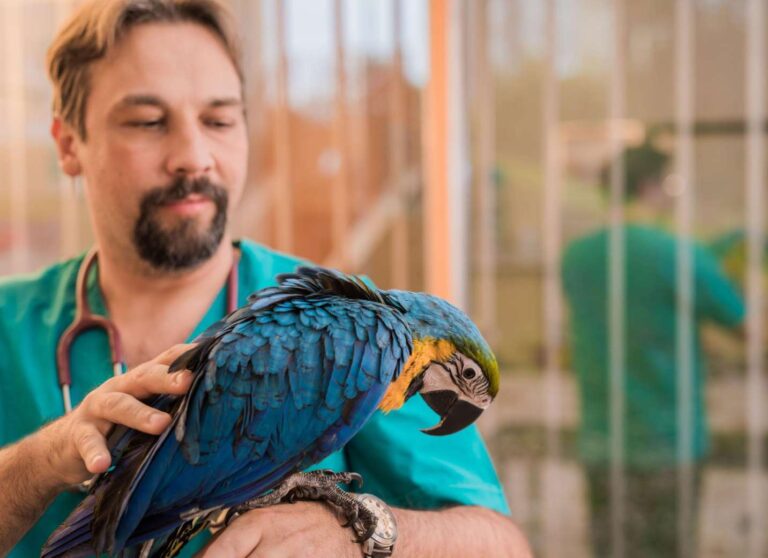


Cheap exotic pet insurance can look like a smart way to lower vet costs. However, the lowest monthly price is not always the best deal. Many affordable plans come with limits that are easy to miss.
Exotic pets often need special care. Birds, rabbits, reptiles, ferrets, hedgehogs, turtles, snakes, and sugar gliders may need vets with extra training. As a result, even a small illness can become expensive fast.
Therefore, before you buy a budget policy, you should check what is covered, what is excluded, and how much you may still pay out of pocket. This guide explains the hidden exclusions to watch for so you can avoid false savings.
What Is Cheap Exotic Pet Insurance?
Cheap exotic pet insurance is a lower-cost policy for pets that are not cats or dogs. These plans may cover birds, rabbits, reptiles, small mammals, and other unusual pets.
Usually, cheaper plans have lower monthly premiums. However, they may also have higher deductibles, lower annual limits, or stricter exclusions. Because of this, a cheap plan can cost more later if it denies a major claim.
For example, one plan may cover accidents only. Another may cover illness, surgery, and emergency care. So, it is important to compare more than the monthly price.
Does Pet Insurance Cover Exotic Pets?
Yes, some pet insurance companies do cover exotic pets. However, coverage depends on the provider, the animal, and the policy type.
Some insurers cover only common exotic pets, such as rabbits, parrots, turtles, and ferrets. Others may exclude rare animals or certain species. Therefore, you should always confirm that your exact pet is eligible before you apply.
Many exotic pet coverage plans may include:
- Emergency vet visits
- Accident treatment
- Illness care
- Surgery for covered conditions
- Prescription medication
- Hospital stays
- Specialist care
Still, every policy is different. For that reason, read the sample policy and not only the sales page.
Why Budget Exotic Pet Policies Can Be Risky
Affordable exotic pet insurance can be helpful. However, cheap plans often reduce risk for the insurer by excluding common problems. This matters because exotic pets can have health issues linked to diet, habitat, lighting, humidity, and temperature.
For general pet care guidance, the American Veterinary Medical Association offers pet owner resources. Also, the Association of Avian Veterinarians shares information for bird owners. These resources can help owners understand why proper care matters.
However, insurance rules still vary by company. Therefore, you need to check the policy wording before you enroll.
Hidden Exclusions to Watch For
The biggest problem with cheap exotic pet insurance is not the price. Instead, it is what the plan may leave out. Below are the most common exclusions to review.
1. Species-Specific Diagnostic Limits
Exotic pets often need special tests. For example, a rabbit may need dental X-rays. A bird may need bloodwork. A reptile may need parasite testing. In some cases, a small mammal may need advanced imaging.
However, some cheap plans limit diagnostic coverage. Others may cover the exam but not the test needed to find the problem. As a result, you could still pay a large bill yourself.
Before buying, ask whether the plan covers diagnostics for your pet’s species.
2. Husbandry-Related Illness Exclusions
Husbandry means how you care for your pet. It includes housing, diet, lighting, heat, humidity, and cleanliness.
This exclusion is very important for reptiles, birds, and rabbits. For instance, a reptile may get sick if heating or UVB lighting is poor. Also, a rabbit may develop digestive issues from the wrong diet.
If the insurer believes the illness came from poor care, it may deny the claim. Therefore, keep clear vet records and follow care instructions closely.
3. Pre-Existing Condition Rules
Most pet insurance plans do not cover pre-existing conditions. This includes symptoms or health problems that started before the policy began.
For example, if your parrot had breathing problems before enrollment, future respiratory claims may be denied. Similarly, if your rabbit had dental disease before the policy, dental treatment may not be covered.
Because of this, it is better to enroll while your exotic pet is still young and healthy.
4. Limited Emergency Coverage
Emergency care for exotic pets can be expensive. A late-night exam, oxygen support, surgery, or hospital stay may cost far more than a routine visit.
However, some low-cost plans have small payout limits for emergency care. Others may cover accidents but not sudden illness. Therefore, check emergency vet insurance for exotic pets carefully before choosing a plan.
5. Species and Breed Restrictions
Not every exotic animal qualifies for coverage. Even when a company offers exotic animal insurance, it may still limit which pets it accepts.
- Bird insurance may cover parrots but exclude some rare birds.
- Rabbit insurance may have limits for dental disease.
- Reptile insurance may differ for snakes, turtles, and lizards.
- Ferret insurance may exclude some endocrine conditions.
- Small pet insurance may not include every exotic mammal.
So, always confirm coverage for your exact pet type.
6. Dental and Beak Trimming Exclusions
Many exotic pets need special mouth care. Rabbits can have dental problems. Birds may need beak care. Some small mammals also need treatment for overgrown teeth.
However, budget plans may exclude routine trimming, dental disease, or mouth-related conditions. This can be a major gap because these problems are common in some species.
7. Wellness and Routine Care Limits
Some owners expect insurance to cover annual exams, nail trims, parasite checks, and routine testing. However, many basic policies do not include wellness care.
Some companies offer exotic pet wellness plans as add-ons. Still, these add-ons cost extra. Therefore, check whether routine care is included or separate.
Cheap Exotic Pet Insurance Checklist
Use this checklist before you choose a plan. It can help you compare cheap pet insurance options without missing important details.
- Species eligibility: Confirm your exact pet is covered.
- Monthly premium: Compare the price, but do not stop there.
- Deductible: Check how much you must pay before coverage starts.
- Reimbursement rate: See what percentage the plan pays back.
- Annual limit: Review the maximum payout per year.
- Diagnostics: Make sure X-rays, lab work, and testing are covered.
- Emergency care: Confirm surgery and hospital stays are included.
- Husbandry rules: Look for exclusions linked to diet, housing, heat, or lighting.
- Pre-existing conditions: Read how the company defines them.
- Waiting period: Know when coverage actually begins.
- Claims process: Check how to submit claims and how fast payment works.
How Much Does Exotic Pet Insurance Cost?
Exotic pet insurance cost depends on the pet, age, location, coverage type, deductible, and reimbursement level.
In general, accident-only plans may cost less. However, illness and emergency coverage usually cost more. Also, birds, reptiles, rabbits, and exotic mammals may have different pricing because their care needs vary.
Although a low premium can be attractive, it may not give enough protection. For example, saving a few dollars each month may not help if the plan excludes diagnostics, emergency surgery, or common species-related illness.
Is Cheap Exotic Pet Insurance Worth It?
Cheap exotic pet insurance can be worth it if the plan covers the risks your pet is most likely to face. However, it is not worth it if the exclusions remove the coverage you need most.
A budget plan may work well if your pet is healthy, your savings can cover smaller bills, and you mainly want help with accidents. Also, it may be useful if the policy clearly covers your species and includes emergency care.
On the other hand, a cheap plan may not be a good choice if it excludes illness, diagnostics, dental problems, or husbandry-related conditions. In that case, a slightly higher premium may offer better value.
How to Compare Exotic Pet Insurance Plans
To find the best insurance for exotic pets, compare value instead of only price. First, list your pet’s most common health risks. Next, check whether each policy covers those risks. Finally, compare deductibles, limits, and exclusions.
Look for plans that offer:
- Clear policy wording
- Accident and illness coverage
- Emergency care for exotic pets
- Diagnostic testing coverage
- Fair annual limits
- Simple claims instructions
- Good exotic pet insurance reviews
Also, speak with your exotic animal vet before choosing coverage. They may tell you which problems are most common for your pet’s species.
Questions to Ask Before You Buy
Before you enroll, ask the insurer these questions:
- Does this policy cover my exact exotic pet species?
- Are hereditary or species-specific conditions covered?
- Are diagnostics covered for exotic animals?
- Does the plan cover emergency surgery?
- Are husbandry-related illnesses excluded?
- How are pre-existing conditions defined?
- Are wellness visits included or extra?
- What is the annual payout limit?
- How long is the waiting period?
- Can I use any licensed exotic animal vet?
These questions can help you avoid a policy that looks cheap but offers weak protection.
Final Verdict
Affordable exotic pet policies can be useful, but only when the coverage is clear. The best plan is not always the cheapest one. Instead, it is the plan that protects your pet against realistic health risks.
Before buying cheap exotic pet insurance, review exclusions for diagnostics, husbandry, emergency care, dental issues, wellness care, and pre-existing conditions. Also, make sure your species is covered.
In the end, cheap pet insurance should lower your risk, not create surprise bills. Therefore, compare carefully, read the policy, and choose coverage that fits your exotic pet’s real care needs.
About the Author