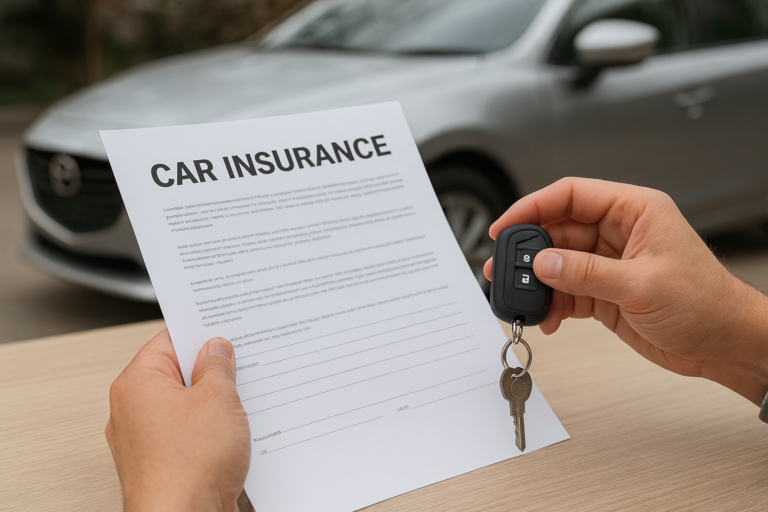
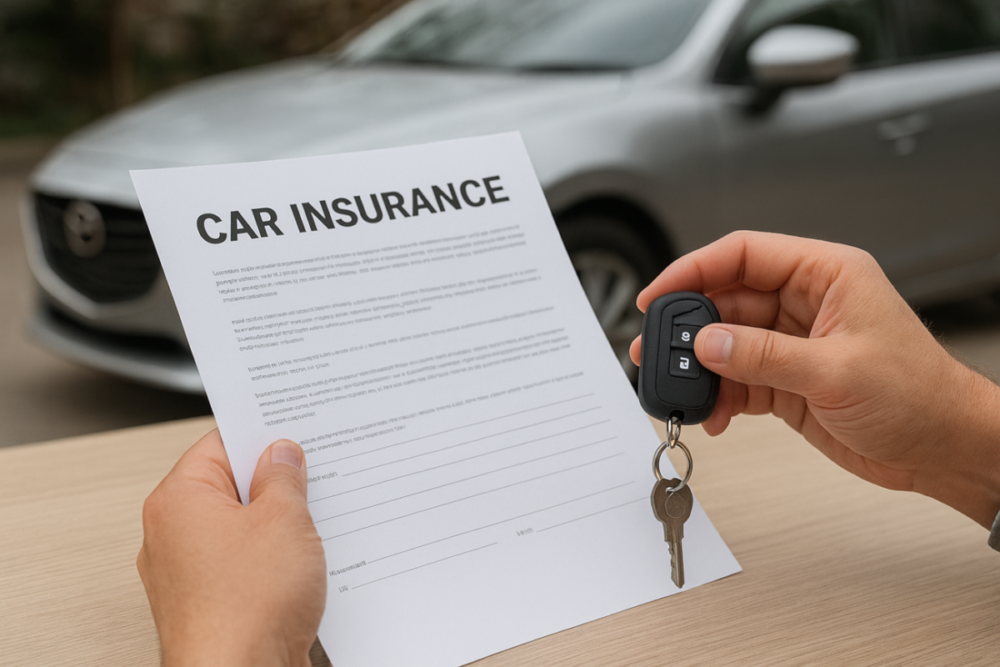
New drivers can save money on car insurance by comparing quotes, choosing safe vehicles, and using available discounts.
Getting your first car insurance policy can feel expensive and confusing, especially for new drivers in the US. Insurance rates for beginners are often much higher than expected. However, the good news is that with the right strategy, you can still find cheap first car insurance without sacrificing essential protection.
Whether you’re a teenager buying your first vehicle, a college student getting behind the wheel, or an adult obtaining a driver’s license later in life, understanding how insurance companies calculate rates can help you save hundreds—or even thousands—of dollars each year.
This comprehensive guide explains why first-time drivers pay more, how to reduce insurance costs, what coverage you actually need, and the most effective ways to secure affordable protection in 2026.
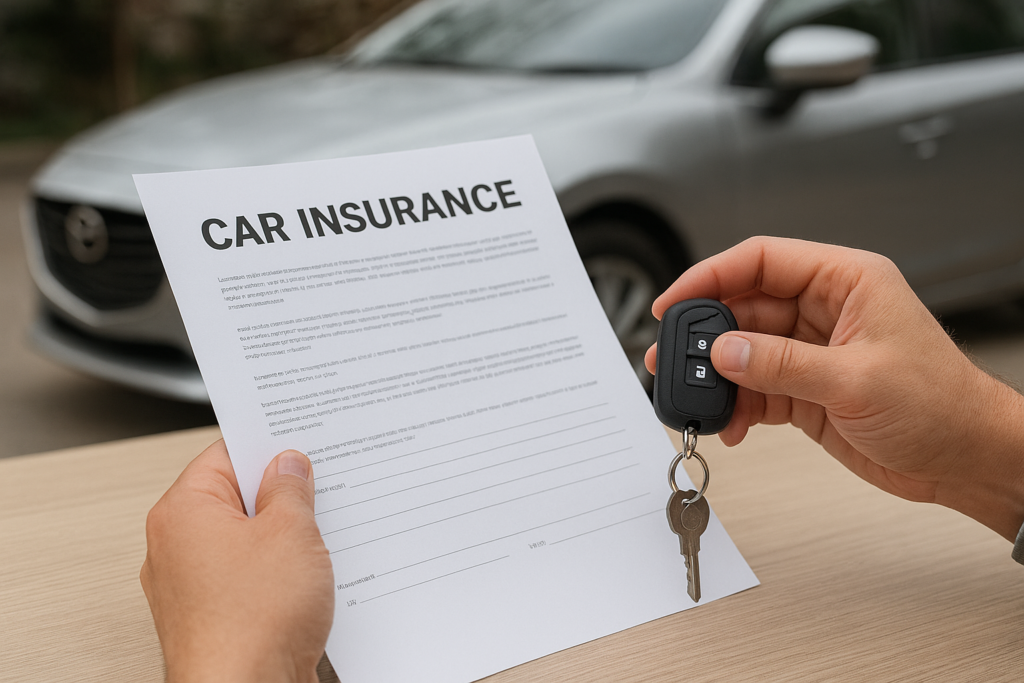
Why First-Time Drivers Pay Higher Insurance Rates
Insurance companies base premiums on risk. Since new drivers have little or no driving history, insurers consider them more likely to be involved in accidents.
As a result, first-time drivers often receive higher quotes than experienced motorists.
Several factors contribute to these increased costs:
1. No Driving History
Experienced drivers can prove they have driven safely for years. New drivers cannot provide that evidence. Therefore, insurers assume a higher level of risk until a safe driving record is established.
2. Higher Accident Rates
Statistics consistently show that inexperienced drivers are more likely to be involved in collisions. Because of this, insurance providers charge higher premiums to offset potential claim costs.
3. Young Age Group Risk
Teenagers and drivers under 25 typically face the highest insurance rates. Insurance companies view younger drivers as more likely to engage in risky driving behaviors.
4. Vehicle Choice
The type of vehicle you drive significantly affects insurance costs. Sports cars, luxury vehicles, and cars with expensive repair costs usually lead to higher premiums.
5. Location
Your ZIP code matters. Drivers in densely populated urban areas often pay more because accident rates, theft rates, and repair costs tend to be higher.
6. Credit-Based Insurance Scores
In many states, insurers use credit-based insurance scores when determining premiums. Drivers with stronger credit histories may receive lower rates.
Understanding Car Insurance Coverage Types
Before shopping for cheap first car insurance, it is important to understand what you’re actually buying.
Liability Coverage
Liability insurance pays for injuries and property damage you cause to others.
This coverage typically includes:
Most states require liability coverage by law.
Collision Coverage
Collision insurance pays for damage to your own vehicle after an accident, regardless of fault.
Comprehensive Coverage
Comprehensive coverage protects against:
- Theft
- Vandalism
- Fire
- Floods
- Falling objects
- Animal collisions
Personal Injury Protection (PIP)
Some states require PIP coverage. It helps pay medical expenses after an accident regardless of fault.
Uninsured/Underinsured Motorist Coverage
This coverage protects you if another driver causes an accident but lacks sufficient insurance.
How to Get Cheap First Car Insurance in the US
If you’re searching for affordable coverage, these proven strategies can significantly reduce your premium.
1. Compare Multiple Insurance Quotes
One of the biggest mistakes first-time drivers make is accepting the first quote they receive.
Insurance companies calculate risk differently. Therefore, rates can vary dramatically for the exact same driver.
For example:
- Company A: $320/month
- Company B: $240/month
- Company C: $180/month
That difference could save you more than $1,500 annually.
Experts recommend comparing at least three to five insurers before purchasing a policy.
2. Choose the Right First Car
Your vehicle plays a major role in determining insurance costs.
Generally, insurers favor vehicles that:
- Have strong safety ratings
- Are inexpensive to repair
- Have low theft rates
- Include modern safety features
Good Cars for Lower Insurance Rates
Examples include:
- Toyota Corolla
- Honda Civic
- Hyundai Elantra
- Mazda3
- Subaru Impreza
Cars That Often Cost More to Insure
- Sports cars
- Luxury vehicles
- High-performance models
- Vehicles with expensive replacement parts
3. Increase Your Deductible
A deductible is the amount you pay before insurance coverage begins.
For example:
- $500 deductible
- $1,000 deductible
Choosing a higher deductible often lowers monthly premiums.
However, make sure you have enough emergency savings to cover the deductible if an accident occurs.
4. Take Advantage of Telematics Programs
Many insurers now offer usage-based insurance programs.
These systems monitor:
- Speed
- Braking habits
- Mileage
- Time of day driven
- Phone usage while driving
Safe drivers can receive substantial discounts.
Some companies offer initial enrollment discounts, while others provide ongoing savings based on driving behavior.
5. Complete a Defensive Driving Course
Many insurance companies reward drivers who complete approved defensive driving courses.
Benefits include:
- Lower insurance premiums
- Better driving skills
- Reduced accident risk
- Increased confidence behind the wheel
Even a small discount can generate significant savings over several years.
6. Stay on a Parent’s Policy
For young drivers, joining a parent’s insurance policy is often one of the cheapest options available.
Instead of purchasing an individual policy immediately, many families save money by adding a new driver to an existing plan.
Potential benefits include:
- Lower monthly premiums
- Multi-vehicle discounts
- Established policyholder discounts
- Easier coverage management
When financially practical, this strategy can save thousands of dollars during the first few years of driving.
7. Bundle Insurance Policies
Insurance companies frequently reward customers who purchase multiple products.
Common bundles include:
- Auto + Home Insurance
- Auto + Renters Insurance
- Auto + Condo Insurance
Bundling can reduce premiums while simplifying account management.
8. Maintain Good Grades
Many insurers offer student discounts.
Students who maintain strong academic performance may qualify for lower premiums.
Typical requirements include:
- B average or higher
- GPA requirements
- Full-time student status
This discount can be especially valuable for teenage and college-aged drivers.
9. Improve Your Credit Score
In many states, credit history affects insurance pricing.
Improving your credit score may help lower premiums over time.
Helpful habits include:
- Paying bills on time
- Keeping credit utilization low
- Avoiding unnecessary debt
- Monitoring credit reports regularly
10. Drive Fewer Miles
Drivers who travel fewer miles generally present lower risk.
If you:
- Work remotely
- Attend school nearby
- Rarely commute
You may qualify for low-mileage discounts.
Always provide accurate mileage estimates when requesting quotes.
Average Cost of First Car Insurance in 2026
Insurance costs vary based on age, location, vehicle, and coverage level.
Estimated Monthly Costs
| Coverage Type | Estimated Monthly Cost |
|---|---|
| Basic Liability | $80–$150 |
| Standard Liability | $120–$220 |
| Full Coverage | $150–$300 |
| High-Risk Driver Coverage | $250–$500+ |
| Usage-Based Insurance | $70–$200 |
Remember that these figures are estimates and can vary significantly depending on individual circumstances.
Best Discounts for New Drivers
Many beginners overlook valuable discounts.
Common opportunities include:
Safe Driver Discounts
Available after maintaining a clean driving record.
Good Student Discounts
For students meeting GPA requirements.
Low Mileage Discounts
For drivers who spend less time on the road.
Defensive Driving Discounts
For completing approved safety courses.
Multi-Car Discounts
When multiple vehicles are insured under the same policy.
Bundling Discounts
When combining auto insurance with other policies.
Paperless Billing Discounts
For receiving documents electronically.
Automatic Payment Discounts
For setting up recurring payments.
Common Mistakes First-Time Drivers Should Avoid
Avoiding these mistakes can save money and prevent future problems.
Buying Coverage Based Only on Price
The cheapest policy is not always the best value.
Low-cost plans may have:
- Low coverage limits
- Large deductibles
- Important exclusions
Always review policy details carefully.
Not Comparing Quotes
Many drivers overpay simply because they never compare options.
Even one additional quote could reveal significant savings.
Choosing an Expensive Vehicle
Buying a sports car as a first vehicle often results in dramatically higher insurance premiums.
Letting Coverage Lapse
Missing payments can lead to:
- Policy cancellation
- Higher future premiums
- Difficulty obtaining coverage
Maintain continuous insurance whenever possible.
Ignoring Available Discounts
Many new drivers qualify for discounts but never ask about them.
Always request a complete discount review before purchasing a policy.
How New Drivers Can Build a Better Insurance Record
Insurance becomes cheaper as insurers gain confidence in your driving behavior.
You can improve your record by:
- Avoiding accidents
- Avoiding speeding tickets
- Following traffic laws
- Driving responsibly
- Maintaining continuous coverage
Over time, insurers may reward safe behavior with lower premiums and additional discounts.
Liability vs Full Coverage: Which Should You Choose?
The answer depends largely on your vehicle.
Liability Coverage May Be Enough If:
- Your car is older
- The vehicle’s value is low
- You can afford repair costs yourself
Full Coverage May Be Better If:
- Your vehicle is financed
- Your vehicle is leased
- The car has significant value
- You want broader protection
Many lenders require full coverage until a vehicle loan is paid off.
Tips for Saving Money Long-Term
The cheapest insurance strategy isn’t always about finding the lowest price today.
Long-term savings come from:
- Maintaining a clean driving record
- Choosing safe vehicles
- Building good credit
- Comparing quotes annually
- Taking advantage of discounts
- Avoiding unnecessary claims
Small savings add up significantly over time.
Frequently Asked Questions (FAQ)
What is the cheapest first car insurance option?
Liability-only coverage is generally the least expensive option. However, it only covers damage you cause to others and may not protect your own vehicle.
Can I get car insurance with no driving experience?
Yes. Insurance companies regularly insure new drivers. However, premiums are usually higher until a driving history is established.
Does my credit score affect car insurance?
In many states, insurers consider credit-based insurance scores when calculating premiums.
Is full coverage worth it for first-time drivers?
If your vehicle is financed, leased, or valuable, full coverage is often worth considering.
How can students lower insurance costs?
Students can save money through good student discounts, defensive driving courses, family policies, and telematics programs.
When do insurance rates start decreasing?
Many drivers begin seeing lower premiums after several years of safe driving and maintaining a clean record.
Final Thoughts
Finding cheap first car insurance in the US is absolutely possible, even for brand-new drivers. Although beginners often face higher premiums, smart decisions can dramatically reduce costs. Comparing multiple quotes, choosing a safe vehicle, maintaining good grades, using telematics programs, and taking advantage of available discounts can all lead to substantial savings.
Most importantly, focus on building a strong driving record from the beginning. Safe driving habits not only protect you on the road but also help lower insurance costs for years to come. By combining smart shopping with responsible driving, new drivers can secure affordable coverage while still maintaining the protection they need.
About the Author