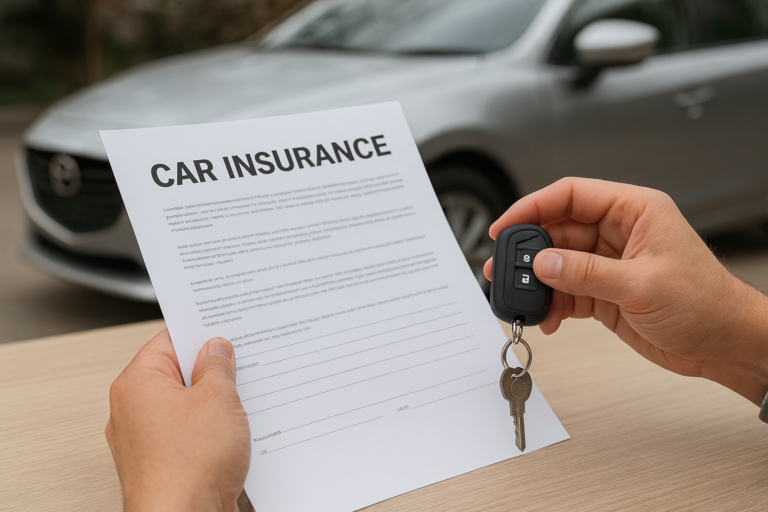
New drivers can save money on car insurance by comparing quotes, choosing safe vehicles, and using available discounts.
car insurance rates 2026 are a major concern for new drivers in the US. In fact, prices are rising again due to higher repair costs and inflation. Therefore, understanding your first-time driver insurance cost is more important than ever. This guide explains what to expect in a simple and clear way.
Why Car Insurance Rates Are Rising in 2026
Car insurance costs continue to rise in 2026. Moreover, first-time drivers feel this more strongly because they lack driving history. As a result, insurers see them as higher risk. In addition, modern cars are more expensive to repair.
- Higher repair costs: New vehicles use costly sensors and smart parts.
- More traffic: Road use is increasing in many US cities.
- Inflation: Labor and parts are more expensive than before.
- Advanced technology: Smart features increase repair bills.
For more background, you can visit the Insurance Information Institute. This helps explain long-term insurance trends.
First-Time Driver Insurance Cost in 2026
The first-time driver insurance cost is still high in 2026. However, the exact price depends on age, car type, and location. Therefore, it is important to compare options before choosing a policy.
| Driver Type | Estimated Annual Premium (2026) |
|---|---|
| First-time driver (18–25) | $2,800 – $5,500 |
| First-time adult driver (26+) | $1,800 – $3,800 |
| Experienced driver | $1,200 – $2,200 |
In addition, these prices may change by state and insurance company.
Main Factors That Affect Your Rate
Insurance companies use several factors to set prices. Therefore, understanding them can help you save money.
1. Age and Driving Experience
Young and new drivers usually pay more. This is because they have no driving record.
2. Vehicle Type
Sports cars cost more to insure. On the other hand, basic sedans are cheaper.
3. Location
Urban areas often have higher rates. This is due to traffic and accident risk.
4. Credit History
In many US states, credit score also affects insurance premiums.
How to Lower Car Insurance Costs
Even though car insurance rates 2026 are rising, you can still reduce your cost. For example, you can take a few simple steps.
- Choose a safe and low-cost car
- Take a defensive driving course
- Compare multiple insurance providers
- Increase your deductible carefully
- Keep a clean driving record
In addition, usage-based insurance can help safe drivers save money over time.
Best Coverage Options for Beginners
A basic car policy or starter auto insurance plan should include important protection. Therefore, beginners should not skip essential coverage.
- Liability coverage (required in most states)
- Collision coverage for accidents
- Comprehensive coverage for damage
- Roadside assistance (optional but helpful)
For general guidance, you can also check USA.gov Auto Insurance Guide.
How Rates Vary Across States
Insurance prices are not the same in every state. Therefore, your location has a big impact on cost.
- High-cost states: Michigan, Florida, New York
- Mid-range states: Texas, California, Illinois
- Lower-cost states: Ohio, Idaho, Maine
Future Outlook for 2026 and Beyond
Experts expect prices to rise slowly after 2026. However, new technology may help control costs. For example, telematics programs track driving behavior. As a result, safe drivers may get discounts.
Frequently Asked Questions
Why is first-time driver insurance so expensive?
Because new drivers have no experience, insurers consider them high risk.
Can I reduce my insurance cost in 2026?
Yes. You can compare quotes, drive safely, and choose a low-cost vehicle.
What is the cheapest option for beginners?
Usually, liability-only insurance is the cheapest. However, it offers limited protection.
Conclusion
In conclusion, car insurance rates 2026 are rising across the US. Therefore, first-time drivers must compare policies carefully. By making smart choices, you can reduce your first-time driver insurance cost while staying protected on the road.
For further financial guidance, visit the Consumer Financial Protection Bureau.
About the Author