Smart home insurance discounts are becoming more common as homeowners add connected safety devices to their properties. Smart cameras, leak detectors, smoke alarms, and smart locks can help reduce risks related to theft, fire, and water damage. As a result, some insurance providers may offer lower premiums or extra savings for homes with approved smart technology.
How Smart Home Devices Can Reduce Insurance Risk
Insurance companies look closely at risk when calculating premiums. Therefore, homes with systems that help prevent damage may appear safer to insure. Smart home insurance gives homeowners faster alerts and more control over their property.
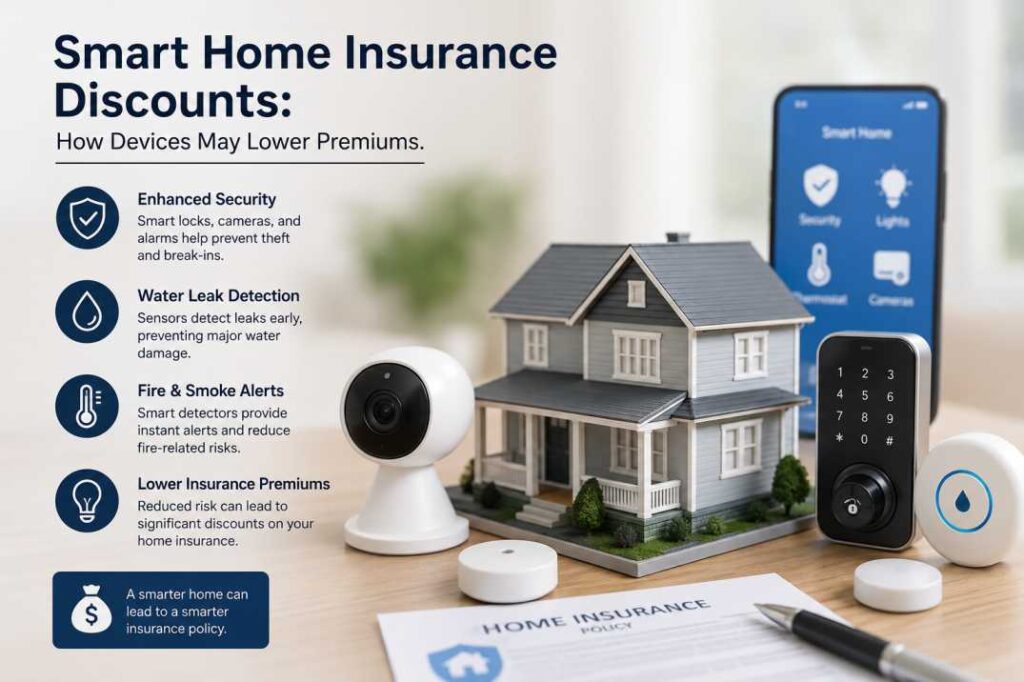
For example, a leak detector can warn you about a pipe issue before serious water damage occurs. Likewise, a smart smoke alarm can send a phone alert even when you are away from home. Because early action can reduce claim costs, insurers may view these homes more favorably.
Smart Devices That May Qualify for Insurance Discounts
Security Cameras
Security cameras help discourage theft and vandalism. In addition, recorded footage may assist during claims investigations. Some insurers offer discounts when a monitored security system is installed.
Leak Detectors
Water damage claims can be expensive. However, leak detectors provide early warnings that may help homeowners avoid larger repair costs. These devices are especially useful near water heaters, sinks, and washing machines.
Smart Smoke and Fire Alarms
Smart alarms can detect smoke or fire quickly and send alerts to your smartphone. As a result, homeowners may respond faster during emergencies. Some systems also connect directly to monitoring services.
Smart Locks
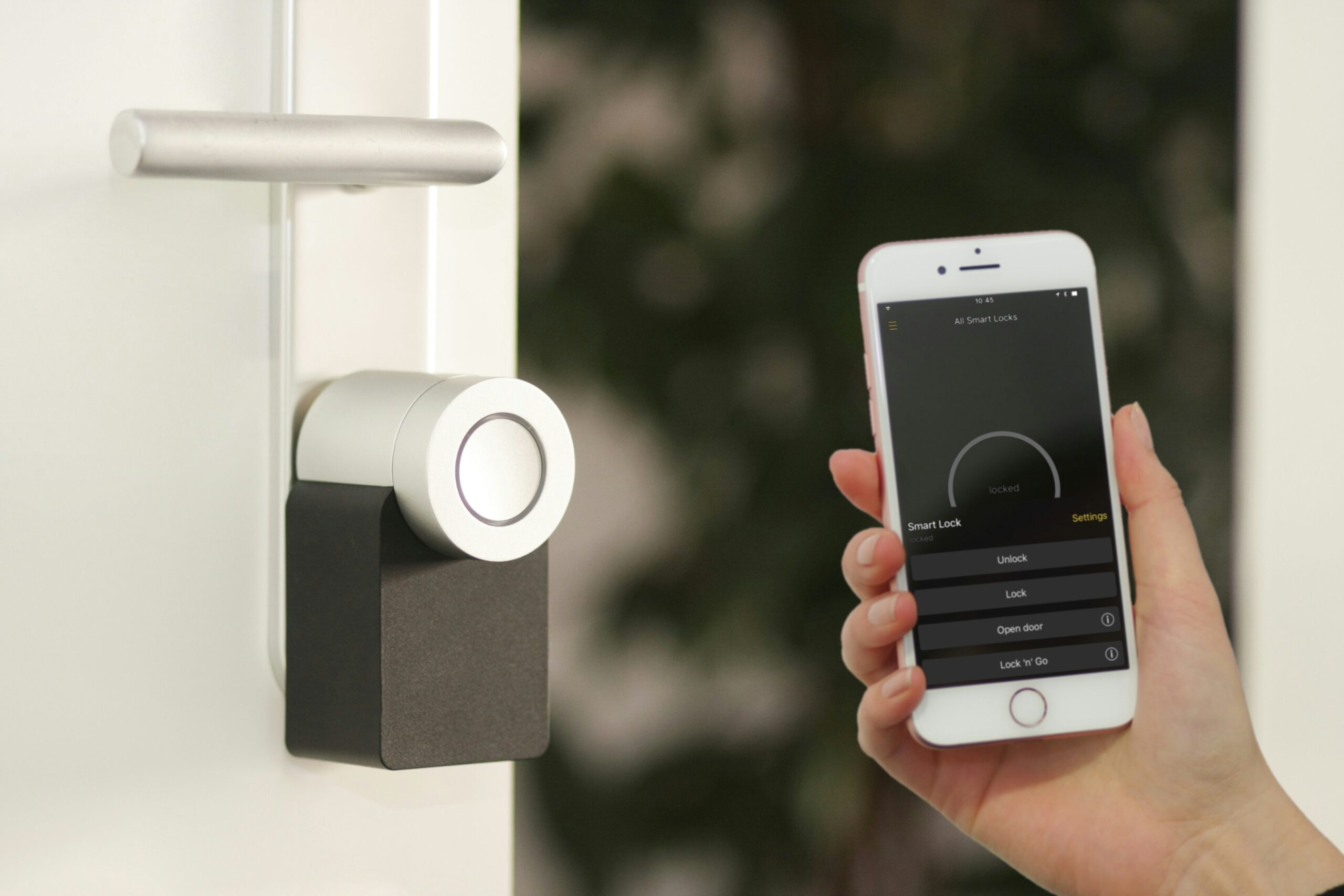
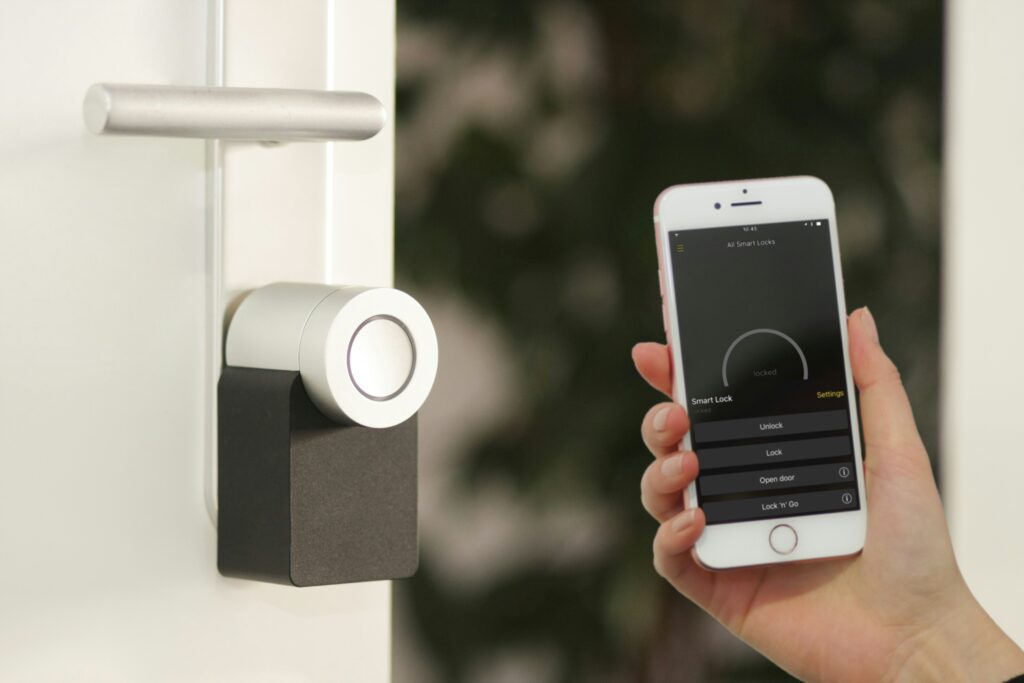
Smart locks allow remote locking and temporary access codes for trusted visitors. Furthermore, they can reduce the risk of unauthorized entry by helping homeowners manage access more securely.
How Smart Home Insurance Discounts Work
Not every insurance provider offers the same savings. Even so, many companies now recognize the value of smart safety devices. Discounts may depend on the type of equipment, professional monitoring, and your location.
In some situations, homeowners may receive discounts of up to 10%. However, savings are never guaranteed. Before purchasing devices, it is a good idea to ask your insurer which systems qualify for potential discounts.
For additional insurance guidance, visit the Insurance Information Institute.
Why Certifications Matter
Certified devices are often more reliable and may better meet insurer requirements. Therefore, homeowners should look for trusted safety standards before installing smart technology.
Organizations such as NIST and Underwriters Laboratories (UL) provide testing and certification standards for many smart home products. These certifications may help confirm that devices meet important safety and security guidelines.
The Future of Smart Home Insurance
Smart home technology continues to evolve, and insurers are paying closer attention to connected devices. In the future, more insurance providers may use device data to better understand household risks.
At the same time, homeowners are becoming more interested in tools that improve both safety and convenience. Because of this trend, smart home insurance discounts may become more common over time.
To learn more about connected home technology, visit the Energy.gov Smart Home Guide.
Conclusion
Smart home devices can improve safety, provide faster alerts, and potentially lower insurance costs. While smart home insurance discounts vary between providers, devices such as cameras, leak detectors, smart alarms, and smart locks may help reduce household risk. Before upgrading your home, speak with your insurance company to understand which devices qualify and what savings may be available.
About the Author