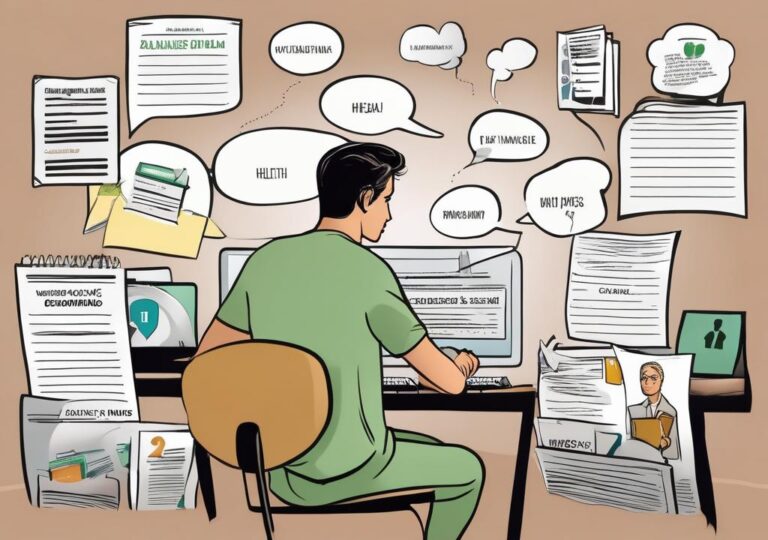
Health insurance for freelancers is one of the most important financial decisions you can make when working for yourself. Unlike traditional employees, freelancers do not receive employer-sponsored coverage, which means they must find and manage their own health plan. That can feel overwhelming at first, especially when you are balancing income, taxes, client work, and personal responsibilities. Still, with the right approach, you can find coverage that protects your health without breaking your budget.
Freelancers often assume that health insurance is too expensive or too complicated to handle alone. In reality, there are several legitimate options available, including marketplace plans, Medicaid in some cases, spouse-based coverage, and plans designed for independent workers. The key is to understand how these plans work and compare them based on cost, coverage, and long-term value.
Why Health Insurance Matters for Freelancers
Medical bills can be expensive, and one unexpected illness or injury can create major financial stress. Health insurance helps reduce the cost of doctor visits, prescriptions, emergency care, preventive services, and specialist treatment. It also makes it easier to stay on top of regular checkups, which can help detect health issues early.
For freelancers, insurance is not just about emergencies. It is also about maintaining consistency in your work life. When you are covered, you are less likely to delay treatment because of cost concerns, and that can help you stay productive over time. In other words, good coverage supports both your health and your business. Self-employed workers should review the IRS self-employed health insurance deduction rules to understand potential tax savings.

Main Coverage Options
There is no single best health insurance plan for every freelancer. Your ideal choice depends on your income, age, health needs, and whether you already have access to family or spouse coverage. Understanding the main types of plans is the first step.
1. Marketplace Health Insurance
The Health Insurance Marketplace is one of the most common options for self-employed people. Depending on your income and household size, you may qualify for premium tax credits and other savings. Marketplace plans are useful because they offer essential health benefits and are easier to compare side by side. You can compare available plans, estimate costs, and check subsidy eligibility through the Health Insurance Marketplace.
This option is especially helpful if you want comprehensive coverage and need access to preventive care, prescriptions, mental health services, and emergency care. For many freelancers, it is the most balanced mix of cost and protection.
2. Medicaid
Some freelancers may qualify for Medicaid if their income is low enough. This can be an important option for independent workers with limited or unstable income. Eligibility rules vary by state, so not every freelancer will qualify. Before choosing a plan, review your state’s Medicaid eligibility requirements to see if you qualify for low-cost coverage.
However, it is still worth checking because Medicaid can provide strong protection at very low cost. For freelancers whose income changes throughout the year, this can be a very practical safety net.
3. Spouse or Family Coverage
If your spouse has employer-sponsored coverage, joining that plan may be a practical and affordable choice. You may also be able to stay on a parent’s plan if you are under 26. For younger freelancers just starting out, this can provide a useful bridge while income is still unstable.
This option often works well for freelancers who want convenience and predictable coverage. It can also reduce the stress of shopping for insurance on your own.
4. Association and Freelance Group Plans
Some professional groups and freelancer organizations offer access to health insurance plans. These plans are designed for independent workers and may provide more flexibility than standard private insurance.
Group-style plans can be attractive if you want support from an organization that understands freelance work. They may also offer extra features such as telehealth or dental add-ons. Still, the actual value depends on your state, provider network, and the exact benefits included.
5. Short-Term Health Insurance
Short-term plans are designed for temporary coverage and can help bridge gaps between jobs or during transitions. They are usually cheaper than major medical plans, but they often provide less comprehensive coverage and may exclude preexisting conditions or key benefits.
Because of that, short-term insurance is better viewed as a temporary backup rather than a long-term solution. It may work for some healthy freelancers who only need basic protection for a short period, but it is not the best choice if you want stable and complete coverage.
How to Compare Plans
When freelancers compare health insurance plans, they often focus too much on the monthly premium. That is understandable, but it can lead to bad decisions. A lower monthly cost may come with a much higher deductible or larger copayments, which can become expensive if you actually need care.
Instead, compare the full cost of the plan. Look at premium, deductible, copay, coinsurance, and out-of-pocket maximum together. A slightly more expensive plan may save you money if you visit doctors regularly or need prescriptions.
What to check first
- Monthly premium, which is the amount you pay every month.
- Deductible, which is what you pay before insurance starts covering most services.
- Copays and coinsurance, which affect how much you pay when you use care.
- Out-of-pocket maximum, which limits your yearly spending on covered services.
- Provider network, which determines whether your doctors and hospitals are included.
If you travel often or work remotely, network size matters even more. A plan that looks cheap on paper may not be a good fit if it does not include your preferred doctors or nearby hospitals.
Real-World Example
For example, a freelance graphic designer earning a moderate income may choose a Marketplace Silver plan because it offers a balance between monthly premium and out-of-pocket costs. If the designer visits doctors regularly and takes prescription medication, this type of plan may be more cost-effective than a cheaper plan with a high deductible.
On the other hand, a healthy freelance writer who rarely needs medical care may prefer a lower-premium high-deductible plan to save money each month. This shows why the best plan depends on how often you expect to use healthcare, not just on the monthly price.
How Freelancers Can Save Money
Health insurance does not have to consume your entire budget. In many cases, freelancers can lower their costs by using the right combination of plan type, tax benefits, and yearly review habits.
One major advantage for self-employed workers is the self-employed health insurance deduction. Many freelancers may be able to deduct the amount they pay for health insurance, including medical, dental, vision, and qualified long-term care insurance, if they meet IRS rules. This can lower taxable income and improve the true cost of coverage.
Other practical ways to save include comparing multiple plans, checking subsidy eligibility, and reviewing your coverage each year. Freelancers often have irregular income, so it is important to estimate income carefully when applying for coverage.
Smart saving strategies
- Compare marketplace and private plans before enrolling.
- Estimate your annual income carefully if you want to check subsidy eligibility.
- Review your plan every year during open enrollment.
- Consider a high-deductible plan only if it fits your healthcare needs.
- Ask whether your preferred providers are in-network before buying.
Best Plan for Different Freelancer Types
Not every freelancer needs the same type of coverage. A young designer with no regular prescriptions may need something very different from a freelance consultant managing a chronic condition. That is why your health profile should guide your decision.
If you are generally healthy and want lower monthly premiums, a high-deductible health plan may be reasonable, especially if it can be paired with a Health Savings Account. If you expect regular doctor visits, specialist care, or ongoing prescriptions, a more comprehensive plan with higher premiums but lower out-of-pocket costs may be better.
Freelancers with unstable income should pay close attention to Marketplace savings and Medicaid eligibility. Those with family coverage options should compare those costs against buying an independent plan. The cheapest option is not always the best one if it creates major risk later. If you are considering a high-deductible health plan, learn how a Health Savings Account (HSA) works before enrolling.
Common Mistakes to Avoid
Many freelancers make the mistake of buying a plan based only on price. That can lead to surprise bills, limited networks, and poor prescription coverage. It is better to think about total value instead of just the monthly payment.
Another common mistake is ignoring yearly changes. Your income, medical needs, and household situation can all change over time, and that can affect your eligibility for subsidies and the type of plan that works best. Reviewing your policy every year can prevent wasted money and coverage gaps.
Freelancers also sometimes overlook tax advantages. If you qualify for the self-employed health insurance deduction, you may be able to lower your federal tax burden, which improves the real cost of your plan.
FAQ
1. What is the best health insurance for freelancers?
The best health insurance for freelancers depends on income, medical needs, and budget. Many freelancers choose Marketplace plans because they may qualify for savings and offer essential coverage.
2. Can freelancers get affordable health insurance?
Yes. Freelancers can often find affordable coverage through the Health Insurance Marketplace, Medicaid in some cases, spouse plans, or association-based plans.
3. Do freelancers qualify for tax deductions on health insurance?
Yes, many self-employed freelancers may qualify for the self-employed health insurance deduction if they meet IRS rules.
4. Is short-term health insurance a good option for freelancers?
Short-term plans can help cover temporary gaps, but they usually offer less coverage than full major medical plans.
5. How do freelancers compare health insurance plans?
They should compare premiums, deductibles, copays, provider networks, prescription coverage, and out-of-pocket maximums.
Helpful Resources
If you want to learn more, official Marketplace and IRS guidance are good starting points. Freelancer-focused organizations can also help you explore plans built for independent workers.
These resources are useful because they combine practical insurance guidance with tools designed for self-employed people.
Final Thoughts
Choosing health insurance for freelancers takes research, but the process becomes much easier once you understand the main options. Marketplace plans, Medicaid, spouse coverage, and freelancer-specific group plans all have different advantages, and the right one depends on your budget and health needs.
The best strategy is to compare total cost, network access, and coverage benefits before you enroll. Once you do that, you can choose a plan that protects both your health and your freelance income. Reliable coverage gives freelancers peace of mind, financial stability, and a stronger foundation for long-term success.
About the Author