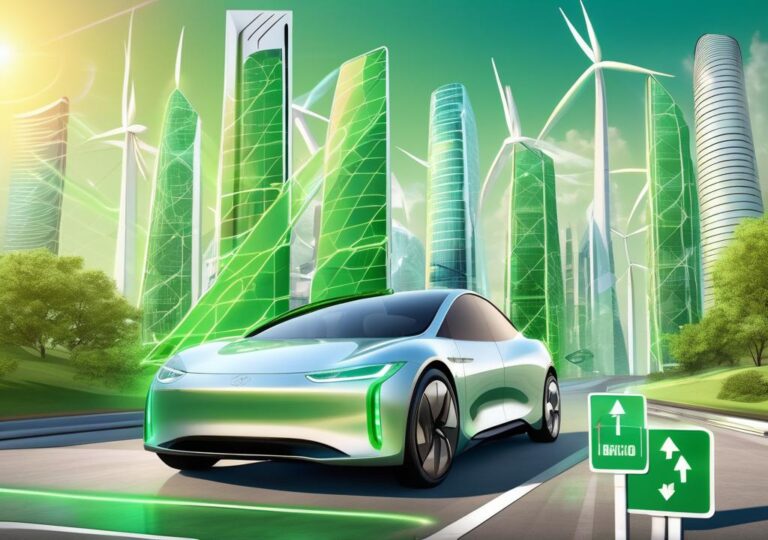
Driving electric in 2026? ⚡🚗 Know your EV insurance costs before you hit the road.
Introduction:
Electric vehicle (EVs) insurance are changing how we drive, and with more EVs on roads in 2026, insurance needs have evolved too. Electric vehicle insurance shares many features with traditional auto policies, but batteries, charging equipment, and specialized repairs introduce new risks and cost drivers. Is your EV fully protected? This guide breaks down electric vehicle insurance in plain language, outlines typical coverages, explains what affects premiums, and gives actionable tips to save money while keeping strong protection.
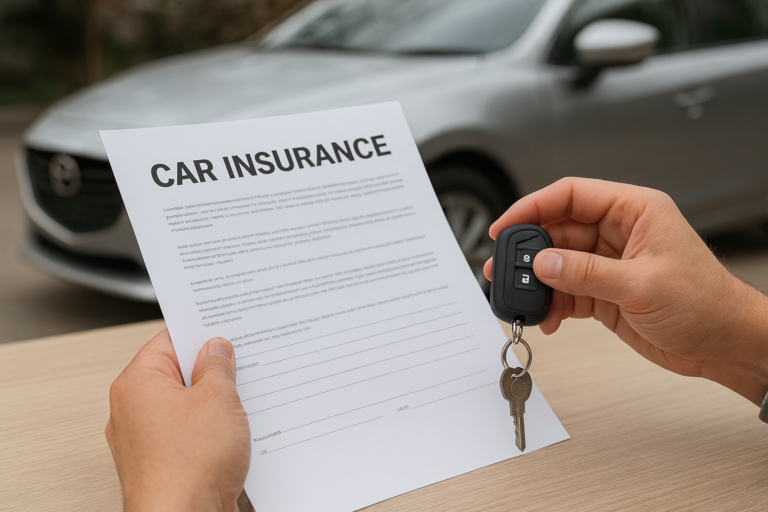
Why EV Insurance Is Different?
- Higher repair costs: EVs often use expensive components (battery packs, electric motors, advanced electronics). Collision repairs can therefore cost more.
- Battery risks: Batteries are costly to replace and may degrade over time. Some claims involve thermal events or water damage.
- Specialized repairs and limited shops: Not all body shops or mechanics can work on high-voltage systems; certified technicians and special tools raise labor costs.
- Charging equipment exposure: Home chargers, mobile chargers, and public charging adapters can be damaged, lost, or cause electrical faults. According to NHTSA, EV safety systems and charging risks require careful coverage planning.
- Software and connectivity: Many EVs rely on software updates and telematics insurance. Aftermarket or damaged systems can complicate claims.
Common EV Insurance Coverages:
- Liability coverage: Required in most US states, it covers bodily injury and property damage you cause to others. Ensure state-minimums are met; consider higher limits for better protection.
- Collision coverage: Pays for repairs to your EV after an at-fault crash. Important because EV repair costs tend to be higher.
- Comprehensive coverage: Covers non-collision damage, such as theft, vandalism, fire, and weather damage. Particularly important for EV battery damage from flooding or fire.
- Uninsured/Underinsured Motorist (UM/UIM): Covers your injuries or vehicle repair costs if the at-fault driver lacks insurance.
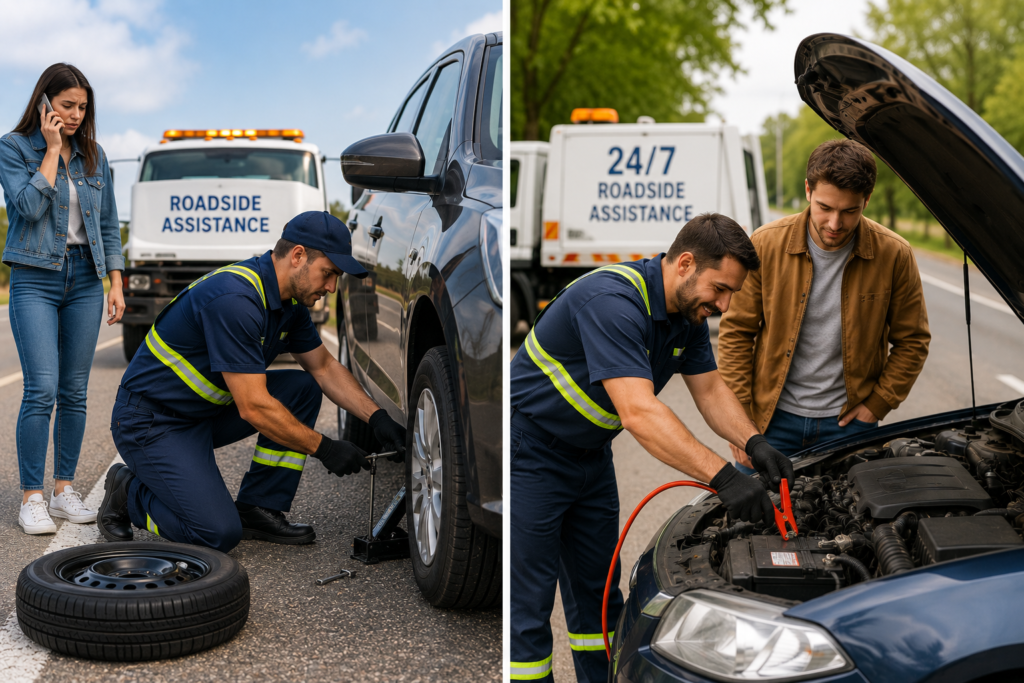
- Roadside assistance and towing: Look for EV-specific towing limits and flatbed requirements (many insurers require flatbed towing for EVs).
- Battery and high-voltage system coverage: Some insurers offer endorsements that explicitly cover battery replacement or repairs, reduced capacity, or battery failure.
- Charging equipment coverage: May cover damage to home chargers, wiring repairs caused by charger faults, or replacement of portable chargers. Check limits and whether electrical inspection is required.
- New car replacement / gap insurance: If your EV is financed or leased, gap coverage helps if the car is totaled and market value is less than loan balance.
- OEM parts coverage: Ensures repairs use original equipment manufacturer parts — helpful for maintaining battery and software warranties.
What Affects EV Insurance Costs
- Vehicle model and trim: Luxury or high-performance EVs (e.g., Tesla, Lucid, high-end Mercedes EVs) cost more to insure because parts and labor are expensive.
- Battery capacity and replacement cost: Larger batteries are costlier. Some models have modular designs that are cheaper to repair; others require full pack replacement.
- Repair network availability: Areas without certified EV repair shops drive up towing and repair costs.
- Location and theft/vandalism rates: Urban areas with high theft or accident rates typically have higher premiums.
- Driving habits and mileage: Lower annual mileage usually reduces premiums. Usage-based or telematics programs can reward safe driving.
- Driving record: Accidents and violations raise premiums, while a clean record lowers them.
- Age, credit (where allowed), and insurance score: Some insurers use credit-based factors where state law permits.
- Coverage limits and deductibles: Higher limits and lower deductibles increase premiums; choosing a III insurance cost can lower costs.
- Vehicle modifications: Aftermarket battery modifications, wraps, or performance tuning can increase risk and premiums.
- Safety features and ADAS: Advanced driver-assistance systems can reduce premiums if proven to lower accident risk.
Average Costs and Pricing Trends (2026 update)
- General range: EV insurance premiums vary widely by model, location, and driver profile. In 2026, many EV owners report premiums 5–25% higher than comparable gasoline vehicles, though competition among insurers is narrowing the gap.
- Market shifts: Insurers are launching EV-specific products and discounts for home charging installation, vehicle-to-grid participation, and certified EV repairs. Telematics and usage-based pricing are increasingly common.
- Battery-specific pricing: Some insurers add surcharges for models with very expensive battery packs or for older EVs where battery degradation risk is higher.
How to Compare EV Insurance Providers (step-by-step)
- List your priorities: battery protection, charging equipment cover, OEM parts, roadside assistance, and cost.
- Get quotes from multiple insurers: Use insurer websites, comparison engines, and local brokers.
- Ask specific EV questions: Does the policy cover battery replacement? Are there limits for charging equipment? Is flatbed towing included?
- Check repair network: Ask which shops are approved and whether OEM parts are required.
- Review discounts: Home charger discounts, multi-policy, safe driver, low-mileage, EV affiliation, and telematics programs can lower premiums.
- Compare total cost of ownership: Factor in premiums, deductibles, possible battery warranties, and expected repair costs.
- Read exclusions carefully: Look for language excluding battery wear, software updates, or aftermarket chargers.
Practical Tips to Reduce EV Insurance Costs
- Compare widely: Don’t rely on one quote. Small insurers or regional carriers may offer better EV rates.
- Maintain a clean driving record: It remains the single most powerful way to lower premiums over time.
- Increase deductible if affordable: Raising the collision/comprehensive deductible can lower premiums, but keep emergency funds for repairs.
- Bundle policies: Combine auto with home or renter policies for multi-policy discounts.
- Install home charging safely: Use certified installation and keep receipts — some insurers offer discounts for professionally installed level-2 chargers.
- Use telematics programs: If your insurer offers usage-based discounts, enroll but check privacy terms first.
- Drive less: Low-mileage discounts apply with many insurers.
- Ask about EV-specific discounts: Some insurers incentivize EV ownership or energy-efficient behavior.
- Keep software updated and use certified repairs: This can lower the chance of further damage and may be required for warranty compliance.
- Consider gap coverage during financing/lease: It prevents large out-of-pocket losses if the car is totaled.
Battery Considerations: What Owners Must Know
- Warranty vs insurance: Manufacturer battery warranties cover defects and capacity loss under certain terms; insurance covers accidental damage and events like fire or collision. Know both.
- Degradation and claims: Normal degradation is not usually an insurance claim. If capacity drops due to manufacturing defects, warranty applies.
- Replacement costs: A full battery replacement can be expensive (often thousands to tens of thousands USD depending on model). Check whether your insurer covers full replacement or only partial repair.
- Thermal events and fire: Insurance should cover fire-related damage; investigate policy limits for catastrophic battery failures.
- Salvage and EV batteries: If totaled, insurers may handle salvage differently for EVs; some shops remove battery packs for reuse or recycling, affecting settlement values.
Charging Equipment: Coverage and Safety
- Home charger protection: Insurers may cover damage to chargers, wiring, and panel upgrades if an electrical fault causes damage — confirm limits and exclusions.
- Installation proof: Keep invoices and electrician certification to support claims and discounts.
- Public charging liability: Damage or theft of portable chargers at public stations may or may not be covered — verify with your carrier.
- Electrical code compliance: Proper permit and code-compliant installations reduce risk and support claims.
Insuring Leased or Financed EVs
- Lenders’ requirements: Lease or loan agreements often require comprehensive and collision cover with specific limits and gap insurance.
- Gap coverage: Bridging the difference between loan balance and insurer payout can protect you from owing money if totaled.
- End-of-lease charges: Proper coverage reduces the risk of large charges for damage at lease-end.
Choosing Add-ons & Endorsements
- Battery replacement endorsement: Good for high-value or older EVs without strong battery warranties.
- OEM parts endorsement: Preserves warranty and resale value.
- Rental reimbursement: Helpful if repairs take longer due to limited repair shops.
- Enhanced roadside assistance: Ensure flatbed towing (many EVs require non-standard towing).
- Windshield and glass coverage: Some EVs use expensive cameras and sensors mounted on glass; repair policies should include recalibration costs.
Claims Process & Repair Tips
- Document everything: Photos, invoices, and repair estimates expedite claims.
- Use certified repair shops: This may be required by insurer and preserve warranty.
- Understand total loss calculations: Ask how insurers value EVs, especially when batteries are partially degraded.
- Expect longer repair times: Specialized parts and technician availability can extend timelines.
Frequently Asked Questions (FAQs)
Is electric vehicle insurance more expensive than regular car insurance?
In many cases, yes. EVs often cost more to repair because of their batteries and advanced technology. However, discounts and competitive shopping can help lower premiums.
Does insurance cover EV battery replacement?
If the battery is damaged due to a covered event such as an accident, theft, or fire, many comprehensive or collision policies may cover replacement or repairs. Normal battery wear is generally excluded.
Can I insure my home charging station?
Yes. Some auto insurers offer optional charging equipment coverage, while homeowners insurance may also cover certain types of damage.
Do electric vehicles qualify for insurance discounts?
Many insurers provide discounts for electric vehicles, safe driving, low annual mileage, bundled policies, or advanced safety features. Eligibility varies by provider.
Is roadside assistance important for EV owners?
Yes. EV-specific roadside assistance can provide towing to a charging station, battery-related support, tire changes, and lockout services, making it a valuable addition to many policies.
Final Thoughts
Electric vehicle insurance is becoming an essential part of EV ownership as electric cars become more common in 2026. Although insuring an EV may sometimes cost more than covering a traditional gasoline vehicle, the right policy can protect you from significant financial losses caused by accidents, theft, natural disasters, battery damage, or charging equipment failures.
Rather than focusing only on the lowest premium, take time to compare coverage options, deductibles, exclusions, customer service, and available discounts. A well-rounded policy that includes battery protection, comprehensive and collision coverage, roadside assistance, and charging equipment protection can provide far greater value over the long term.
Ultimately, understanding how electric vehicle insurance works allows you to make informed decisions, reduce unnecessary expenses, and enjoy your EV with greater confidence. As electric vehicle technology continues to evolve, regularly reviewing your insurance policy will help ensure that your coverage keeps pace with your vehicle’s changing needs and continues to provide reliable protection for years to come.
About the Author