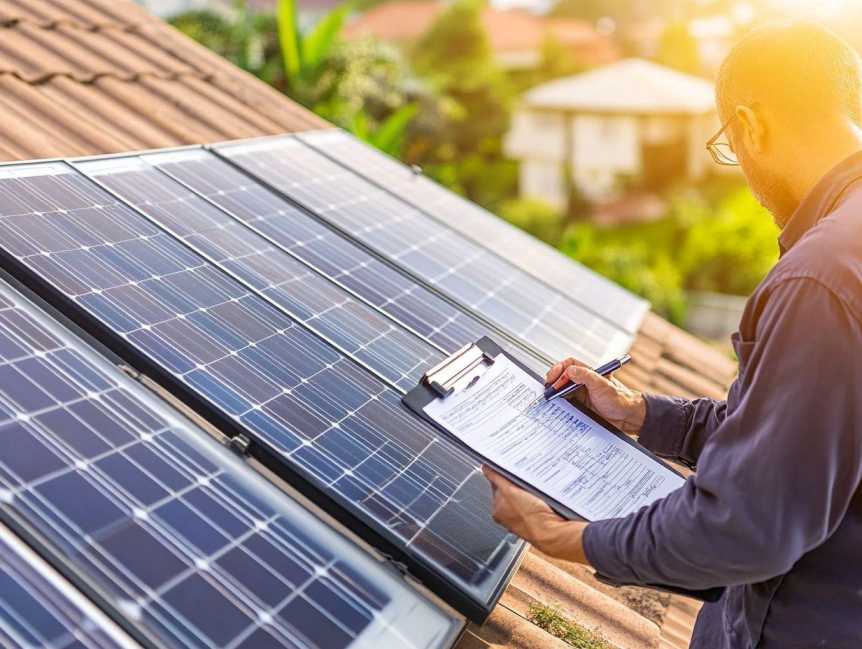
Updating your home insurance after installing solar panels or completing renovations helps protect your investment
Home insurance for solar panels and renovations is important for homeowners who are upgrading their property. Whether you are adding rooftop solar panels, remodeling a kitchen, replacing a roof, or building a new room, these changes can affect your insurance coverage. In many cases, renovations increase your home’s value, which means your current policy may no longer provide enough protection.
That is why reviewing your policy before and after a project is so important. Some upgrades can increase replacement costs, while others can create temporary risks during construction. By updating your coverage at the right time, you can avoid gaps, protect your investment, and reduce the chance of unexpected expenses later.
Why Renovations Can Change Insurance Needs
Many home renovations increase the replacement cost of your property. If your home is damaged by fire, storm, or another covered event, it may cost more to rebuild after upgrades than it did before. Features like custom cabinets, premium flooring, upgraded electrical systems, and modern appliances can all raise the amount needed for a full restoration.
For example, a basic kitchen may be much cheaper to rebuild than a remodeled kitchen with stone countertops, built-in appliances, and custom lighting. If your dwelling coverage still reflects the older version of the home, you could end up underinsured after a major loss.
Renovation work can also create short-term risks. Construction areas may expose plumbing, wiring, or structural parts of the home. Materials can be stolen, equipment can be damaged, and temporary openings may make the house more vulnerable to weather. That is why homeowners should speak with their insurer before work begins, especially on larger projects.
Renovations That May Need Policy Updates
Some home improvement projects are more likely to affect insurance than others. Common examples include:
- Kitchen and bathroom remodels.
- Room additions or garage conversions.
- Roof replacements.
- Electrical or plumbing upgrades.
- Swimming pools and outdoor structures.
- Basement finishing.
- Solar panel installations.
Even smaller upgrades can matter if they raise the home’s value or increase rebuilding costs. A finished basement adds living space, a new deck adds outdoor value, and a roof replacement may affect the cost to restore the house after damage. The safest approach is to let your insurer know whenever a project changes the structure or value of your home.
How Solar Panels Affect Home Insurance
Solar panels can lower energy bills and make a home more efficient, but they also add a valuable system that needs proper protection. In many cases, rooftop solar panels are treated as part of the home’s structure because they are attached to the roof. However, some insurance companies handle them differently, especially if the panels are leased, financed, ground-mounted, or connected to battery storage.
Because of this, homeowners should not assume solar panels are automatically covered in every situation. You need to know whether your policy includes repair, replacement, theft, and weather-related damage. You should also confirm how liability is handled if the installation process causes injury or property damage.
Coverage Areas to Review
When adding solar panels, these coverage areas deserve close attention:
- Replacement coverage: Make sure the policy covers the cost of repairing or replacing the solar system after a covered loss.
- Liability protection: Confirm that injuries or property damage related to installation or ownership are included.
- Weather damage: Review coverage for hail, wind, storms, and falling debris.
- Battery storage: Ask whether backup batteries need separate protection.
- Theft and vandalism: Make sure the system is protected if equipment is stolen or damaged intentionally.
It is also smart to ask how your insurer defines attached equipment. Some companies include solar panels automatically, while others may require an endorsement. If your system includes inverters, wiring, monitoring devices, or battery packs, all of those parts should be reviewed too. You can also learn more about homeowner protection standards from the National Association of Insurance Commissioners.
Why Timing Matters
The best time to call your insurer is before construction starts. That gives you time to understand what is covered, what may be excluded, and whether temporary adjustments are needed while the project is underway. If you wait until after an accident or loss, you may find a coverage gap that could have been avoided.
Insurance companies may ask for details such as the contractor’s name, the scope of work, project dates, and whether the home will be partially vacant. They may also want to know if utilities will be shut off or if the work changes the structure of the home. Sharing these details early can make the process smoother and reduce surprises later.
Permits and Inspections Matter
Before starting renovations or installing solar panels, make sure you get the proper permits and inspections. Many insurers expect the work to meet local building codes and safety standards. If the project is done without approval, you may face problems during a claim.
Working with licensed contractors can also reduce risk. Proper installation helps prevent fire, leaks, electrical problems, and structural damage. It also makes the claims process easier if something goes wrong later. Keep copies of permits, receipts, inspection reports, warranties, and contractor agreements in one place.
Good records can help prove that the work was completed correctly and legally. They can also support a higher replacement value if your home has been improved with quality materials or advanced equipment.
Should You Increase Coverage Limits?
After renovations are complete, many homeowners need to increase their dwelling coverage limits. This helps make sure the home is protected based on its updated replacement value. If your house costs more to rebuild after the upgrades, your insurance should reflect that change.
You may also want to review these policy areas:
- Personal property coverage.
- Liability protection.
- Deductible amounts.
- Detached structure coverage.
- Additional living expenses coverage.
For example, if you add a detached garage, shed, or pool house, your detached structure coverage may need to be increased. If major repairs force you to move out temporarily, additional living expenses coverage becomes very important. The goal is to align your policy with the actual home you now own. You can also review energy efficiency recommendations from the U.S. Department of Energy solar guide for additional homeowner information.
Real-World Examples
A homeowner in Texas installs rooftop solar panels to reduce electricity bills. A hailstorm damages part of the system, but the claim goes smoothly because the homeowner confirmed the panels were listed under the dwelling coverage before installation.
A family in Florida completes a large kitchen remodel with custom cabinets, expensive flooring, and upgraded appliances. After the project, they review their policy and realize the dwelling coverage is too low. They increase the limit so the home can be rebuilt at its new value.
A couple in California turns their garage into a home office. The conversion adds usable space, but it also changes the home’s rebuild cost. Their insurer updates the policy to include the new structure and protects the upgraded interior.
A homeowner in Ohio installs a battery backup system with solar panels. The insurer explains that the batteries need separate review, so the homeowner adds an endorsement to make sure the full system is covered properly.
What to Compare in Policies
If you are shopping for a new policy after upgrading your home, comparing several providers can help you find stronger protection for your investment. Not every insurer treats renovations and solar systems the same way, so it is worth asking detailed questions before choosing a plan.
Compare these features:
- Coverage limits for renovations and upgrades.
- Premium and deductible costs.
- Protection for renewable energy systems.
- Claims handling reputation.
- Optional endorsements for expensive upgrades.
Lower home insurance premiums may look attractive, but cheaper coverage can become costly later if a claim is denied or underpaid. A policy with stronger dwelling coverage, better equipment protection, or more flexible endorsements may offer better long-term value.
Common Mistakes Homeowners Make
One common mistake is assuming renovations automatically update home insurance. In reality, your insurer may not know about the changes unless you tell them. Another mistake is forgetting to adjust coverage after the work is finished. If the home’s value increases but the policy stays the same, underinsurance can become a serious problem.
Some homeowners also forget about detached structures, battery packs, or outdoor equipment connected to a solar setup. Others fail to keep receipts, permits, and inspection records, which can make a claim more difficult to process. Avoiding these mistakes can save time, money, and stress later.
Smart Steps Before You Begin
A few simple steps can help protect your home before any project starts:
- Call your insurance company and explain the renovation or solar installation.
- Ask whether you need an endorsement or temporary coverage change.
- Check whether your contractor is licensed and insured.
- Keep permits, invoices, and inspection records.
- Review your dwelling coverage after the project is finished.
These steps may seem basic, but they can make a big difference. They help you stay organized, reduce risk, and make sure your policy matches the home you actually own today.
FAQs
Do solar panels increase homeowners insurance?
They can, because they add value to your home and may increase the cost to repair or replace the property after a covered loss.
Are solar panels covered under home insurance?
Often yes, especially if they are permanently attached to the home. Still, some systems may need an endorsement or special review.
Should I notify my insurer before a renovation?
Yes. It is best to tell your insurer before work begins so they can explain any coverage changes or requirements.
Does a kitchen remodel affect home insurance?
Yes, a major kitchen remodel can increase your home’s replacement cost and may require higher dwelling coverage.
Do I need extra coverage during construction?
For larger projects, you may need temporary coverage adjustments, especially if the home is partially vacant or exposed.
Are battery storage systems covered by insurance?
Sometimes, but not always in the same way as solar panels. Ask your insurer whether they are included or need separate protection.
Will my premium go up after renovations?
It might. If your home value or rebuild cost rises, your insurance premium may also change.
What documents should I keep after home upgrades?
Keep permits, receipts, inspection reports, contractor agreements, and warranty documents for future reference.
Final Thoughts
Home insurance for solar panels and renovations is about protecting the value you add to your home. Upgrades can improve comfort, energy efficiency, and resale value, but they can also create new insurance needs. If you update your policy at the right time, you can rise home insurance rate and you can reduce the chance of coverage gaps and unexpected expenses.
About the Author