
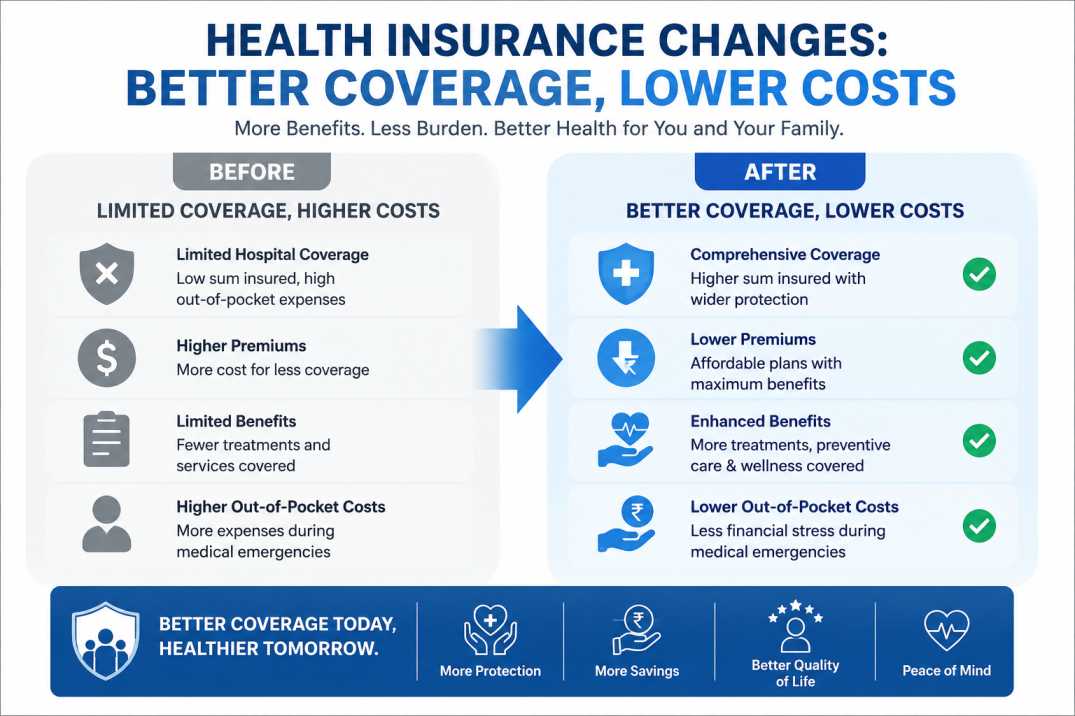
Health insurance changes in 2026 may affect how individuals and families manage medical expenses, access healthcare services, and compare coverage options. As insurers continue focusing on preventive care, telehealth access, and more flexible plans, policyholders may notice important updates during renewal periods.
In addition, many healthcare providers are expanding digital services and wellness programs to improve long-term health outcomes. Understanding these trends early can help you choose a plan that better fits your healthcare needs and budget.
What Health Insurance Changes Are Expected in 2026?
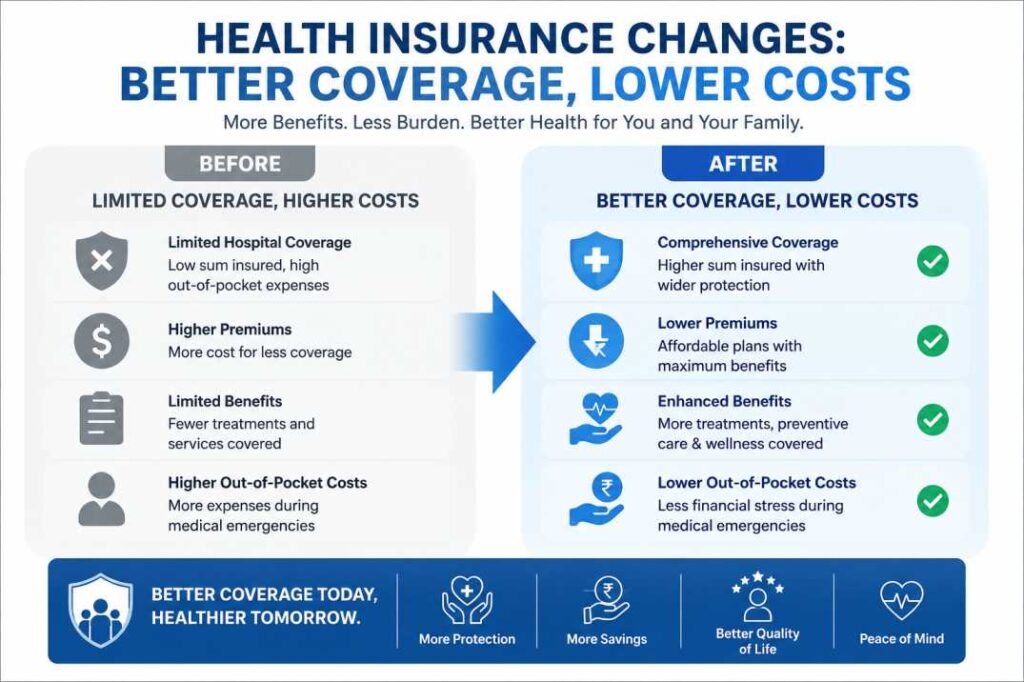
Several health insurance changes in 2026 are expected to focus on accessibility, preventive treatment, and digital healthcare support. Although plan details will vary by provider and region, insurers are already adapting to changing healthcare demands.
- Expanded coverage for chronic conditions such as diabetes, hypertension, and mental health care.
- Increased telehealth support for virtual appointments and remote consultations.
- Preventive care incentives that encourage screenings, wellness visits, and early diagnosis.
- Flexible policy options designed to provide more personalized healthcare coverage.
As a result, policyholders may gain easier access to healthcare services while improving long-term cost management.
Moreover, For more details about healthcare coverage options and consumer resources, visit the HealthCare.gov official website.
Coverage Changes Under New 2026 Policies
One of the most discussed health insurance changes in 2026 involves expanded coverage options. Many insurers are expected to strengthen support for preventive services and long-term treatment programs.
Preventive Care May Receive More Attention
Preventive healthcare may continue becoming a larger part of many insurance plans. For example, insurers may include additional benefits such as:
- Annual wellness exams
- Vaccinations and routine screenings
- Blood testing and diagnostic services
- Early disease detection programs
Because preventive care helps identify health concerns earlier, patients may avoid more serious medical complications and higher treatment costs later.
Telehealth Services Could Continue Growing
Telehealth services became more common in recent years, and this trend is expected to continue throughout 2026. Virtual healthcare appointments can make follow-up care, prescription management, and basic consultations more convenient for many patients.
Additionally, remote healthcare services may help individuals living in rural or underserved areas access medical professionals more easily.

How Premiums Could Change in 2026
Premium pricing may shift based on several factors, including age, location, healthcare demand, and the type of coverage selected. While some individuals could see affordable plan options, others may notice increased monthly premiums because of expanded benefits.
Age-Based Pricing
Many insurance providers use age brackets to calculate monthly premiums. Younger policyholders may qualify for lower costs, whereas older adults may face higher premiums because of increased healthcare usage.
Location-Based Pricing
Healthcare costs often vary by region. Therefore, insurers may adjust premiums according to local hospital expenses, provider availability, and healthcare demand in specific areas.
Before selecting a plan, compare both monthly premiums and potential out-of-pocket expenses, including deductibles, copays, and prescription costs.
Tips for Choosing the Right Health Insurance Plan
Since more plan options may become available in 2026, reviewing coverage details carefully can help you avoid unexpected expenses later.
Check the Provider Network
First, confirm that your preferred doctors, specialists, and hospitals are included in the plan’s provider network.
Review Deductibles and Copays
Although some plans offer lower monthly premiums, they may include higher deductibles or larger copays. Understanding these costs can help you estimate yearly healthcare expenses more accurately.
Compare Prescription Coverage
If you regularly take prescription medication, review each plan’s drug coverage carefully. Formularies and medication tiers can vary significantly between insurance providers.
The Growing Importance of Wellness Programs
Many insurers are also expected to expand wellness initiatives in 2026. These programs often encourage healthier lifestyles and preventive care habits.
- Fitness tracking rewards
- Smoking cessation programs
- Nutritional counseling
- Mental wellness support
In some cases, participation in wellness programs may help policyholders improve overall health while lowering long-term healthcare costs.
Final Thoughts on Health Insurance Changes in 2026
Health insurance changes in 2026 may bring updates to telehealth access, preventive care benefits, wellness programs, and premium pricing. Even though policy details will vary between providers, staying informed can help you make better coverage decisions.
Before renewing or choosing a new policy, compare provider networks, review prescription benefits, and evaluate total healthcare expenses instead of focusing only on monthly premiums. Ultimately, a careful review can help you select coverage that better supports your healthcare needs throughout the year.
About the Author