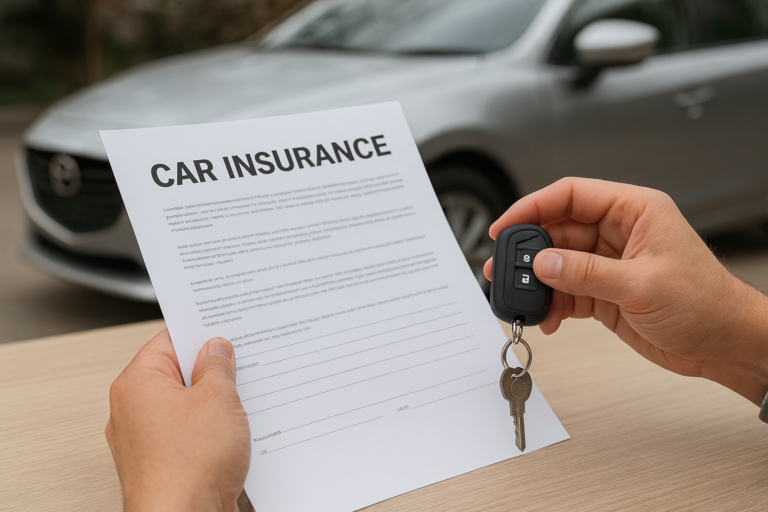
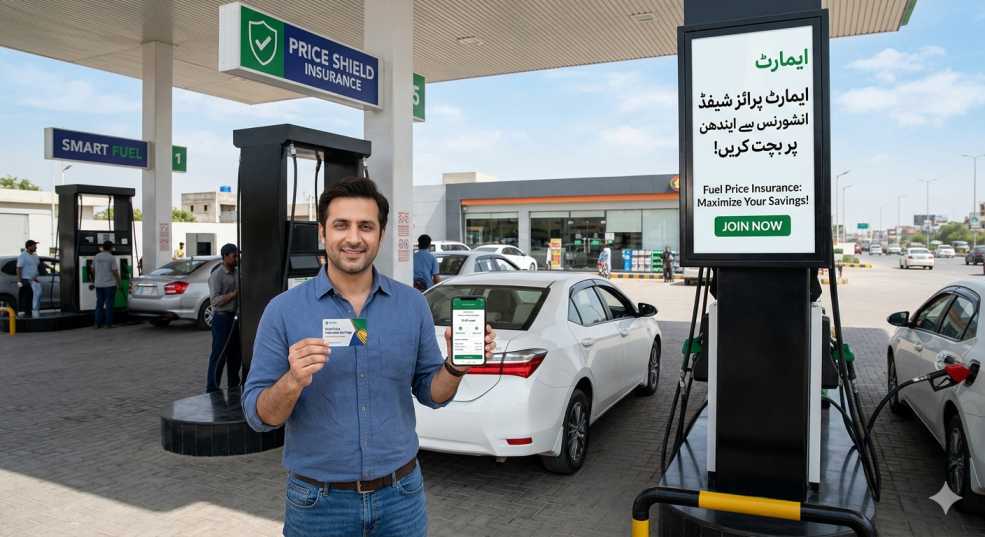
Fuel price insurance savings is an important topic for drivers who want to understand how fuel costs can influence their auto insurance expenses. When fuel prices rise, people often drive less. As a result, this change in driving behavior can affect insurance risk patterns and may open up opportunities for savings. Therefore, reviewing your policy becomes a practical step toward lowering costs.
How Fuel Price Insurance Savings Are Connected to Driving Habits
Higher fuel prices often lead to fewer miles driven. For example, many drivers begin combining trips or using public transport more frequently. Because of this, insurers may observe lower driving exposure. In turn, this can sometimes reduce auto insurance costs linked to fuel price insurance savings trends.
Lower Mileage and Its Impact on Savings
If you drive less, you may qualify for lower premiums. In addition, insurance companies often reward low-mileage drivers. Even small adjustments, such as shorter commutes or fewer unnecessary trips, can make a noticeable difference. However, it is important to always report your mileage honestly to your insurer.
Mileage Discounts and Safe Driving Programs
Some insurers offer mileage-based discounts, while others use apps or devices to track driving behavior. These programs reward safe and less frequent driving. Therefore, they can be a useful option if fuel price insurance savings is affecting your monthly budget. For more general guidance, you can review resources from the Insurance Information Institute.
Simple Ways to Lower Your Auto Insurance Premium
You can also adjust your deductible to reduce monthly payments. Generally, a higher deductible leads to lower premiums. However, you should ensure you can afford the out-of-pocket cost if you need to file a claim. In addition, comparing policies regularly can help you find better deals over time.
Why Regular Policy Reviews Matter
Driving habits often change over time. Therefore, it is smart to review your auto insurance policy at least once a year. You may find coverage that you no longer need. As a result, removing unnecessary coverage can help reduce overall costs and improve fuel price insurance savings outcomes.
Helpful External Resources
For more information, you can visit trusted consumer resources such as the National Association of Insurance Commissioners and the Insurance Information Institute. These organizations provide helpful explanations about how pricing works and how driving habits can influence insurance costs.
Conclusion
Fuel price insurance savings can vary depending on how much you drive and how efficiently you manage your policy. When fuel prices increase, many drivers reduce mileage and look for ways to save. Therefore, by reviewing discounts, adjusting coverage, and improving driving habits, you can often lower your insurance costs in a practical and informed way.
About the Author