Local Flood Insurance Rules 2026: What Homeowners Need to Know Flooding can happen even in places that seem safe. For example, FEMA reports that over 25% of flood insurance claims come from areas outside high-risk flood zones. Therefore, homeowners should understand local flood insurance rules in 2026 before problems happen.
Understanding Local Flood Insurance Rules 2026
Local flood rules help reduce damage from floods. In many regions, these rules connect to the National Flood Insurance Program (NFIP). As a result, some homeowners must buy flood insurance even if they live outside mapped flood zones.
In addition, you should check your flood zone early. You can contact your local authority or speak with an insurance agent. You can also review FEMA guidance here: FEMA Flood Insurance Program.
When Flood Insurance Becomes Required
In certain areas, the law requires flood insurance. For example, properties in a Special Flood Hazard Area (SFHA) often need coverage.
Moreover, lenders may also require insurance before approving a mortgage.
- Homeowners in SFHA or Zone A usually must buy flood insurance
- Lenders may enforce insurance rules for loans
- Local authorities may require building compliance documents
In addition, an Elevation Certificate may be required. This document shows your building’s lowest floor level. Therefore, it helps determine risk and insurance cost.
What Flood Insurance Covers
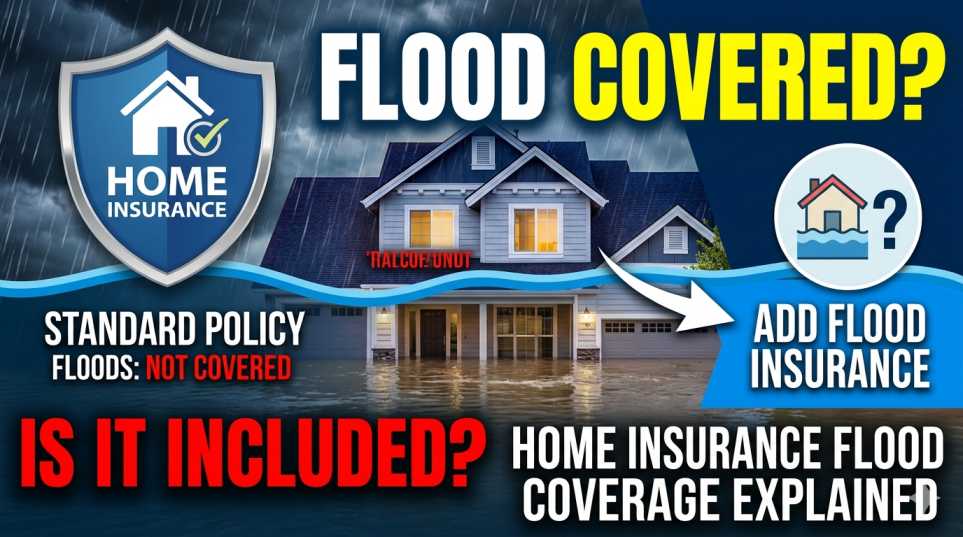
Standard home insurance does not cover floods. Therefore, you need a separate policy for protection. This step helps you reduce financial loss after flood damage.
What Your Policy May Cover
- Repair or rebuild of your home structure
- Replacement of personal belongings
- Temporary housing costs if your home becomes unsafe
Common Coverage Limits
| Property Type | Typical Coverage Limit |
|---|---|
| Residential | $250,000 |
| Commercial | $500,000 |
Deductibles usually range from $1,000 to $5,000. However, your provider and location may change these amounts.
Comparing Flood Insurance Options
You should compare options before choosing a policy. Although the NFIP offers standard coverage, private insurers may offer extra protection.
- National Flood Insurance Program (NFIP)
- Private flood insurance providers
- Online comparison tools for quotes
In addition, comparing plans helps you find better pricing and coverage. As a result, you can choose a policy that fits your needs.
How to Protect Your Home
Flood risk affects many homeowners, even outside high-risk zones. Therefore, you should take action early.
Start by checking your flood zone. Next, review your current insurance policy. Finally, compare new coverage options.
In addition, speak with a licensed insurance agent. This step helps you make a more informed decision. As a result, you can reduce financial risk and protect your home more effectively.
About the Author