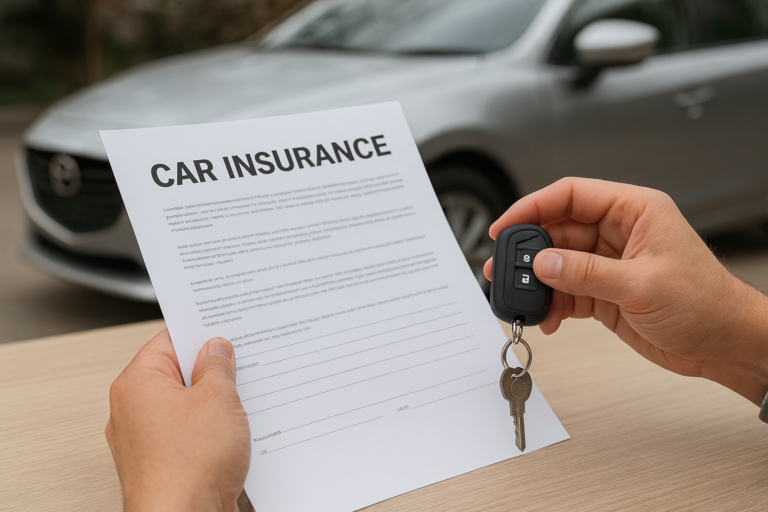

Auto insurance for new drivers may feel confusing at first, especially when you are shopping for your first policy. The good news is that learning the basics can help you avoid expensive mistakes and choose coverage that fits your budget. This guide explains common coverage types, what affects insurance rates, and simple ways to lower your costs.
What Is Auto Insurance?
Auto insurance is a contract between you and an insurance company. You pay a monthly or yearly premium, and the insurer helps cover certain costs after a covered accident or event. Most states require drivers to carry a minimum amount of insurance before driving legally.
You can review state insurance requirements through the USA.gov motor vehicle resources.
Common Types of Coverage
Liability Coverage
Liability insurance pays for injuries or property damage you cause to other people. In most states, this coverage is required by law.
Collision Coverage
Collision coverage helps pay to repair or replace your vehicle after an accident. It applies even if you caused the crash.
Comprehensive Coverage
Comprehensive coverage protects your vehicle from problems not caused by a collision. This may include theft, vandalism, hail, or falling objects.
Personal Injury Protection (PIP)
PIP helps cover medical expenses and lost wages after an accident. Some states require it, while others offer it as optional coverage.
What Affects Insurance Rates?
Insurance companies use several factors to calculate premiums. New drivers often pay higher rates because they have less driving experience.
- Age and experience: Younger and less experienced drivers usually pay more.
- Vehicle type: Luxury cars and sports cars often cost more to insure.
- Location: Drivers in busy cities may have higher premiums.
- Driving record: Accidents and traffic tickets can raise rates.
- Coverage amount: More protection usually means a higher premium.
Many companies also offer discounts for safe driving, good grades, or defensive driving courses.
How New Drivers Can Save Money
There are several ways to reduce insurance costs without giving up important coverage.
- Compare quotes: Get estimates from multiple insurance companies before choosing a policy.
- Choose a higher deductible: A higher deductible may lower your monthly premium.
- Drive safely: Avoid accidents and tickets to keep rates lower over time.
- Bundle policies: Some insurers offer discounts when you combine auto and home insurance.
- Ask about discounts: Students, military members, and safe drivers may qualify for savings.
Should You Get Full Coverage?
Full coverage usually includes liability, collision, and comprehensive insurance. If you lease or finance a car, your lender may require full coverage.
Although full coverage costs more, it provides broader protection. Drivers with older vehicles sometimes choose less coverage to save money. Before deciding, consider your budget and the value of your car.
Tips Before Buying Your First Policy
Before you buy insurance, read the policy details carefully. Make sure you understand the deductible, coverage limits, and exclusions. It is also smart to review customer service ratings and claims support.
You can compare insurance information and consumer resources through the National Association of Insurance Commissioners.
For more help with choosing coverage, review our internal guide on understanding car insurance deductibles.
Final Thoughts
Learning how auto insurance works can help new drivers make smarter financial decisions. Compare quotes, review your coverage options, and look for discounts before choosing a policy. Taking time to research now may help you save money and avoid problems later.
About the Author