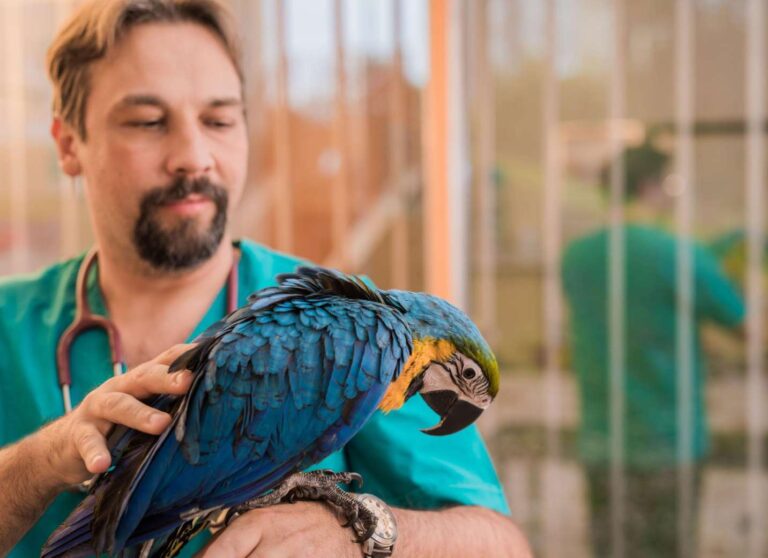
Protect your bird with insurance that covers unexpected health emergencies.
Uncommon pet insurance is becoming more important than ever in 2026. More people are choosing unusual pets such as hedgehogs, sugar gliders, reptiles, ferrets, exotic birds, and amphibians. These animals are unique, fascinating, and often easier to keep in smaller living spaces than traditional pets. However, owning an exotic pet also comes with special responsibilities, especially when it comes to healthcare.
Many pet owners assume that veterinary care for uncommon animals will be affordable because the animals themselves are small. Unfortunately, that is often not the case. Specialized veterinarians, advanced diagnostic testing, emergency treatment, and surgery can quickly become expensive. As a result, more owners are turning to uncommon pet insurance to help manage these costs.
An exotic animal care plan can provide financial protection when unexpected medical issues arise. Moreover, it can help owners access better treatment options without worrying about large veterinary bills.
In this comprehensive guide, you will learn what uncommon pet insurance covers, what exclusions to expect, how pricing works, and how to choose the best policy for your rare animal companion.
Why Uncommon Pet Insurance Is Growing Fast
Exotic pet ownership has increased significantly over the last few years. Several factors have contributed to this growing trend.
First, many people live in apartments or urban areas where traditional pets may not be practical. Smaller animals like hedgehogs, geckos, and sugar gliders often require less space.
Second, social media platforms have introduced millions of people to unusual pets. Videos featuring parrots, reptiles, and other exotic animals have sparked interest among potential owners worldwide.
Third, advances in veterinary medicine have made it easier to care for rare species. Specialized veterinarians now offer treatments that were previously unavailable.
However, while exotic pet ownership is increasing, veterinary care remains costly. Unlike cats and dogs, uncommon pets require veterinarians with specialized training. These professionals often use unique equipment and diagnostic methods tailored to specific species.
As a result, uncommon pet insurance has become an important tool for responsible pet ownership.
Reasons More Owners Are Buying Exotic Pet Insurance
- Rising veterinary costs
- Increased ownership of exotic animals
- Greater awareness of pet health needs
- Limited availability of specialized veterinarians
- Growing demand for preventive healthcare
- Better insurance options than in previous years
- Increased life expectancy of exotic pets
What Is Uncommon Pet Insurance?
Uncommon pet insurance is a specialized insurance policy designed for animals that fall outside traditional cats and dogs.
These policies help cover veterinary expenses associated with diagnosing, treating, and managing illnesses or injuries in exotic pets.
Depending on the provider, policies may include:
- Accident coverage
- Illness coverage
- Emergency care
- Diagnostic testing
- Hospitalization
- Surgery
- Prescription medications
- Preventive wellness benefits
The exact coverage varies between insurers, which is why reviewing policy details carefully is essential before purchasing a plan.
What Pets Are Usually Covered?
Most exotic pet insurance providers cover a wide range of species. However, eligibility varies by company.
Small Mammals
Small mammals are among the most commonly insured exotic pets.
Examples include:
- Hedgehogs
- Sugar gliders
- Ferrets
- Chinchillas
- Guinea pigs
- Rabbits
- Hamsters
- Gerbils
- Rats
- Mice
These animals can experience respiratory infections, digestive issues, dental problems, and injuries that require veterinary attention.
Exotic Birds
Birds often live much longer than many owners expect. Some parrots can live for decades.
Covered species may include:
- African Grey Parrots
- Macaws
- Cockatoos
- Conures
- Lovebirds
- Cockatiels
- Parakeets
- Canaries
- Finches
Bird healthcare often involves specialized testing, making insurance particularly valuable.
Reptiles
Reptiles are increasingly popular among pet owners.
Commonly insured reptiles include:
- Ball pythons
- Corn snakes
- Boa constrictors
- Leopard geckos
- Crested geckos
- Bearded dragons
- Chameleons
- Tortoises
- Turtles
Many reptile health issues stem from habitat problems, temperature fluctuations, or nutritional deficiencies.
Amphibians
Although less common, some policies may cover:
- Frogs
- Salamanders
- Newts
- Axolotls
Because amphibians are highly sensitive to environmental changes, medical issues can develop quickly.
What Does an Exotic Animal Care Plan Cover?
Coverage varies between providers, but most plans include several core benefits.
1. Veterinary Consultations
Regular veterinary visits are essential for maintaining your pet’s health.
Coverage may include:
- Initial examinations
- Follow-up visits
- Specialist consultations
- Health assessments
Routine evaluations often help detect problems before they become serious.
2. Emergency Care
Emergency treatment can be extremely expensive for exotic animals.
Insurance may help cover:
- Emergency clinic visits
- After-hours treatment
- Critical care services
- Stabilization procedures
For example, a sugar glider suffering from severe dehydration may require immediate medical intervention.
3. Diagnostic Testing
Veterinarians often rely on diagnostic tools to identify health issues.
Covered diagnostics may include:
- Blood tests
- Fecal examinations
- Urinalysis
- X-rays
- Ultrasounds
- CT scans
- Laboratory testing
These procedures can quickly increase veterinary expenses without insurance.
4. Surgery and Hospitalization
Serious medical conditions sometimes require surgery.
Coverage may include:
- Surgical procedures
- Anesthesia
- Recovery monitoring
- Hospital stays
- Post-operative care
For instance, a hedgehog with a tumor may require surgery followed by hospitalization and medication.
5. Prescription Medications
Many illnesses require ongoing medication.
Insurance may help cover:
- Antibiotics
- Pain management drugs
- Anti-inflammatory medications
- Specialized treatments
This can be particularly helpful for chronic conditions.
6. Accident Coverage
Accidents happen even in carefully maintained environments.
Covered incidents may include:
- Falls
- Cage injuries
- Enclosure accidents
- Burns from heating equipment
- Foreign object ingestion
Accident coverage is often one of the most valuable aspects of an exotic pet policy.
7. Preventive Care
Some insurers offer optional wellness plans.
Preventive care may include:
- Annual checkups
- Routine screenings
- Nutritional consultations
- Parasite testing
- Vaccinations where applicable
Preventive care can reduce long-term healthcare costs by identifying issues early.
Common Health Problems in Exotic Pets
Understanding common health concerns can help owners appreciate the value of insurance.
Hedgehogs
Hedgehogs commonly experience:
- Dental disease
- Obesity
- Skin infections
- Tumors
- Respiratory illnesses
Sugar Gliders
Sugar gliders may suffer from:
- Calcium deficiencies
- Metabolic bone disease
- Nutritional disorders
- Trauma-related injuries
Parrots
Parrots frequently develop:
- Feather plucking
- Respiratory infections
- Nutritional deficiencies
- Beak abnormalities
Reptiles
Common reptile conditions include:
- Metabolic bone disease
- Respiratory infections
- Parasites
- Shedding complications
Treatment for these conditions can become expensive without insurance support.
What Is Not Covered?
Although uncommon exotic pet insurance offers valuable protection, every policy contains exclusions.
Pre-Existing Conditions
Most insurers will not cover illnesses diagnosed before policy enrollment.
Examples include:
- Existing tumors
- Chronic infections
- Previously diagnosed injuries
Breeding Expenses
Insurance generally excludes costs related to:
- Breeding programs
- Pregnancy care
- Fertility treatments
Illegal or Restricted Species
Many providers refuse coverage for:
- Illegal exotic animals
- Restricted wildlife species
- Unlicensed ownership situations
Cosmetic Procedures
Insurance usually excludes:
- Cosmetic alterations
- Non-medical grooming procedures
- Elective treatments
Habitat Expenses
Most policies do not cover:
- Cage replacement
- Aquarium repairs
- Heating equipment
- Environmental upgrades
These costs remain the owner’s responsibility.
How Much Does Uncommon Pet Insurance Cost?
Several factors influence premium costs.
Species Type
Rare species often have higher premiums because veterinary care is more specialized.
Age
Older pets typically cost more to insure due to increased health risks.
Location
Insurance costs may vary depending on local veterinary availability and treatment expenses.
Coverage Level
Higher reimbursement rates generally result in higher monthly premiums.
Deductibles
Policies with lower deductibles often have higher monthly costs.
Example Cost Comparison
| Pet Type | Estimated Monthly Cost |
|---|---|
| Hedgehog | $10 – $25 |
| Sugar Glider | $15 – $30 |
| Ferret | $15 – $35 |
| Exotic Bird | $20 – $50 |
| Reptile | $10 – $40 |
Actual prices vary by insurer and coverage level.
How to Choose the Right Exotic Pet Insurance Policy
Selecting the right policy requires careful research.
Verify Species Eligibility
Not every insurer covers every species.
Always confirm that your specific animal is eligible.
Compare Coverage Limits
Review annual and lifetime coverage limits.
Higher limits often provide better protection during major medical events.
Examine Reimbursement Rates
Most providers reimburse a percentage of veterinary costs.
Common reimbursement levels include:
- 70%
- 80%
- 90%
Higher reimbursement percentages reduce out-of-pocket expenses.
Review Waiting Periods
Most policies include waiting periods before coverage begins.
Understanding these timelines helps avoid coverage surprises.
Check Customer Reviews
Research customer experiences regarding:
- Claims processing
- Customer support
- Reimbursement speed
- Policy transparency
Expert Tips for Exotic Pet Owners
Experienced veterinarians and insurance professionals recommend several best practices.
Keep Detailed Medical Records
Accurate records simplify claims and improve treatment continuity.
Schedule Routine Checkups
Preventive care helps identify health issues early.
Maintain Proper Habitat Conditions
Correct temperature, humidity, and nutrition reduce illness risks.
Compare Multiple Providers
Obtaining quotes from several insurers often reveals significant differences in pricing and coverage.
Understand Policy Exclusions
Reading the fine print helps prevent future misunderstandings.
Frequently Asked Questions
Is uncommon pet insurance worth it?
For many owners, yes. Specialized veterinary care can be expensive, and insurance helps reduce unexpected financial burdens.
Can I insure a hedgehog?
Yes. Many providers offer coverage for hedgehogs, although eligibility requirements vary.
Are reptiles eligible for insurance?
Many insurers cover reptiles, including snakes, geckos, and bearded dragons.
Does insurance cover emergency surgery?
Most comprehensive plans include emergency surgery coverage, subject to policy limits and exclusions.
Can older exotic pets be insured?
Some insurers accept older pets, but premiums may be higher and coverage options more limited.
Does insurance cover routine checkups?
Some providers offer optional wellness plans that include preventive care benefits.
Final Thoughts
Uncommon exotic pet insurance has become an essential consideration for exotic pet owners in 2026. As more people welcome hedgehogs, sugar gliders, parrots, reptiles, and other unusual animals into their homes, the need for specialized healthcare coverage continues to grow.
An exotic animal care plan can help cover emergency treatment, diagnostic testing, surgeries, hospitalization, and preventive care. Although every policy has exclusions, the right coverage can significantly reduce financial stress while ensuring your pet receives proper medical attention.
Before purchasing a policy, compare providers carefully, review coverage details, and confirm that your specific species is eligible. With the right uncommon pet insurance plan, you can protect both your beloved companion and your budget from unexpected veterinary expenses.
About the Author