
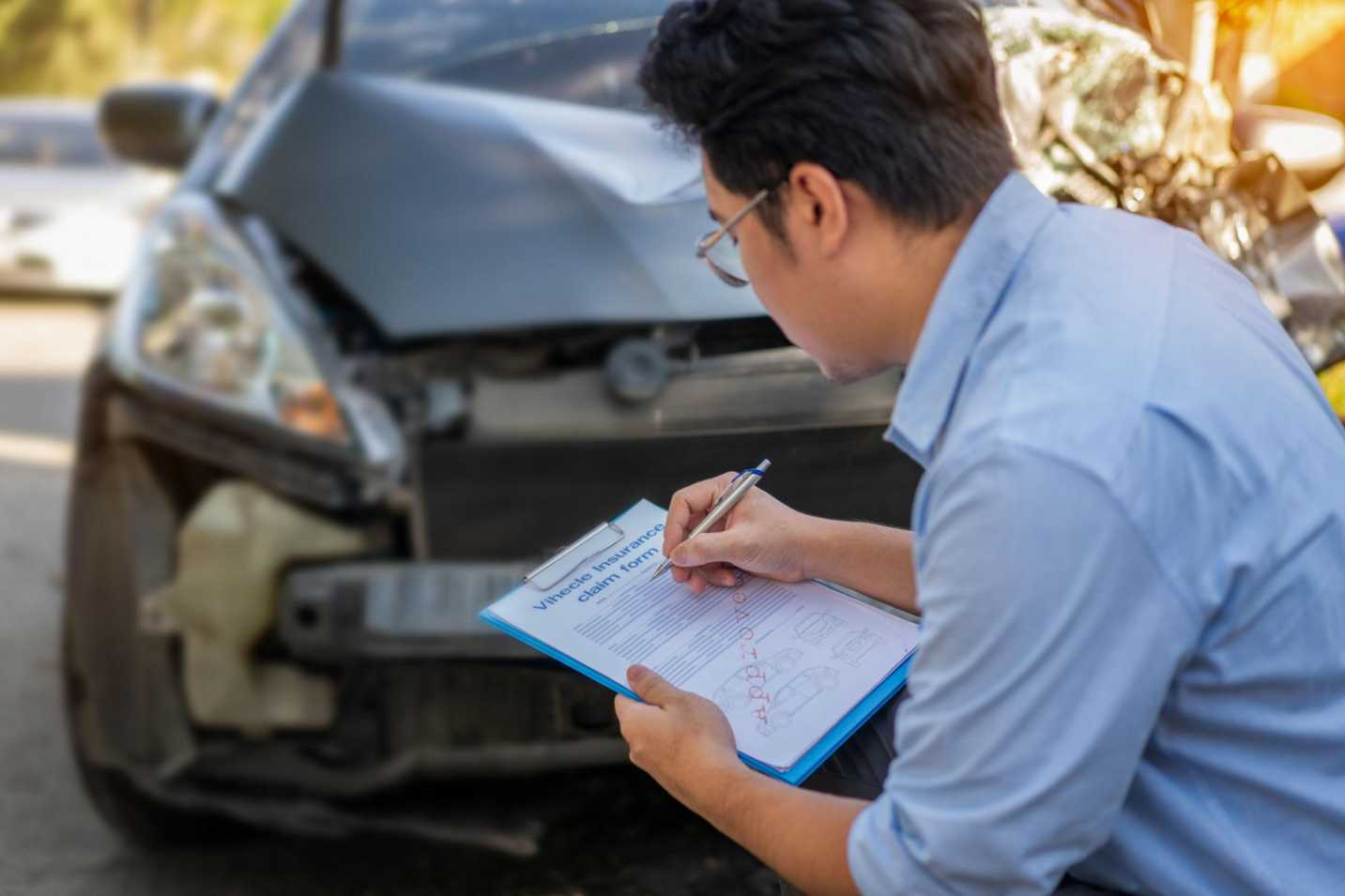
Commercial auto insurance for delivery fleets helps businesses protect drivers, vehicles, and daily operations. As same-day delivery services continue to grow, fleet owners face higher risks on the road. Therefore, having the right insurance policy is essential for reducing financial losses and keeping deliveries moving smoothly.
Whether you manage a small local fleet or a larger delivery network, the right coverage can help protect your company from accidents, theft, liability claims, and vehicle damage.

Why Delivery Fleets Need Commercial Auto Insurance
Delivery vehicles spend long hours on the road each day. Because of this, the risk of accidents and vehicle damage increases significantly. Commercial auto insurance is designed to cover business-related driving risks that personal auto insurance policies often exclude.
A strong policy can help delivery companies:
- Cover multiple company-owned vehicles under one plan
- Protect drivers and business assets after accidents
- Reduce financial losses from theft or vandalism
- Handle liability claims involving third parties
- Access roadside assistance during emergencies
Key Risks Faced by Delivery Fleets
Driver-Related Risks
Even with safety policies in place, human error remains one of the biggest challenges for delivery fleets. For example, distracted driving, fatigue, and speeding can increase the chance of accidents.
To lower these risks, businesses should:
- Conduct background checks before hiring drivers
- Provide ongoing driver safety training
- Monitor driving behavior regularly
- Encourage safe driving habits and scheduled breaks
Vehicle Damage and Theft
Commercial auto insurance can also help cover damage caused by events other than collisions. In many cases, delivery vehicles operate in busy urban areas where theft and vandalism are more common.
Depending on the policy, coverage may include:
- Theft or attempted theft
- Vandalism
- Fire and flood damage
- Mechanical breakdown assistance
Understanding Liability Coverage
Liability coverage is one of the most important parts of a commercial auto insurance policy. If a driver causes an accident, liability protection can help pay for injuries, property damage, and legal expenses.
This type of coverage may help businesses:
- Pay medical costs for injured third parties
- Repair damaged vehicles or property
- Manage legal defense costs and settlements
Additionally, having adequate liability limits can help protect the long-term financial health of your business.
Tips for Choosing the Right Fleet Insurance Policy
Not all commercial auto insurance policies offer the same level of protection. As a result, comparing several providers is important before making a decision.
When reviewing policies, consider the following:
- Coverage limits: Make sure your policy matches the value of your fleet and potential liability risks.
- Deductibles: Choose a deductible that fits your company budget.
- Premium costs: Compare quotes carefully instead of focusing only on the lowest price.
- Claims support: Look for providers with reliable customer service and fast claims handling.
You can also review commercial vehicle insurance guidance from the Insurance Information Institute for additional information.
How Commercial Auto Insurance Supports Business Growth
Reliable insurance coverage allows delivery companies to focus on operations with greater confidence. Furthermore, strong protection can help reduce downtime after accidents and support long-term fleet expansion.
Businesses that maintain proper coverage are often better prepared for unexpected costs and operational disruptions.
Final Thoughts
Commercial auto insurance for delivery fleets is an important investment for businesses that rely on vehicles every day. The right policy can protect drivers, reduce financial exposure, and support smoother operations.
Before renewing your current policy, compare your options carefully and review your fleet’s changing needs. In addition, speaking with a licensed insurance professional can help you choose coverage that fits your business goals.
For more information about commercial auto insurance requirements and safety standards, visit the Federal Motor Carrier Safety Administration.
About the Author