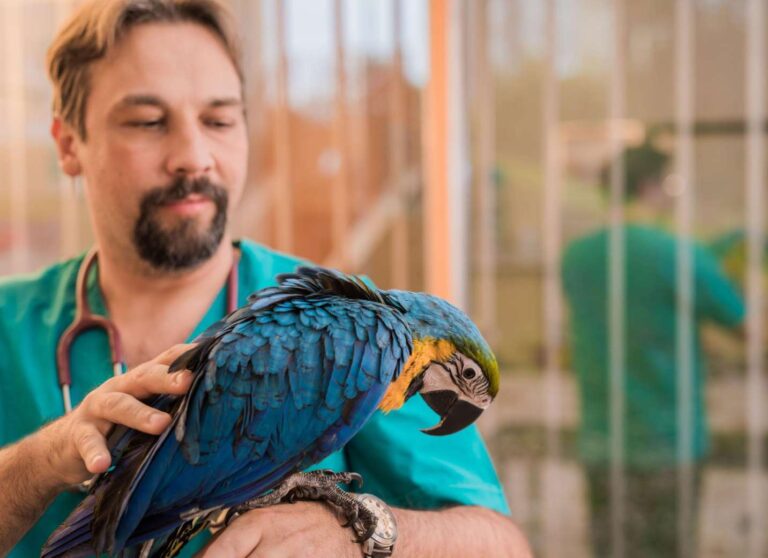
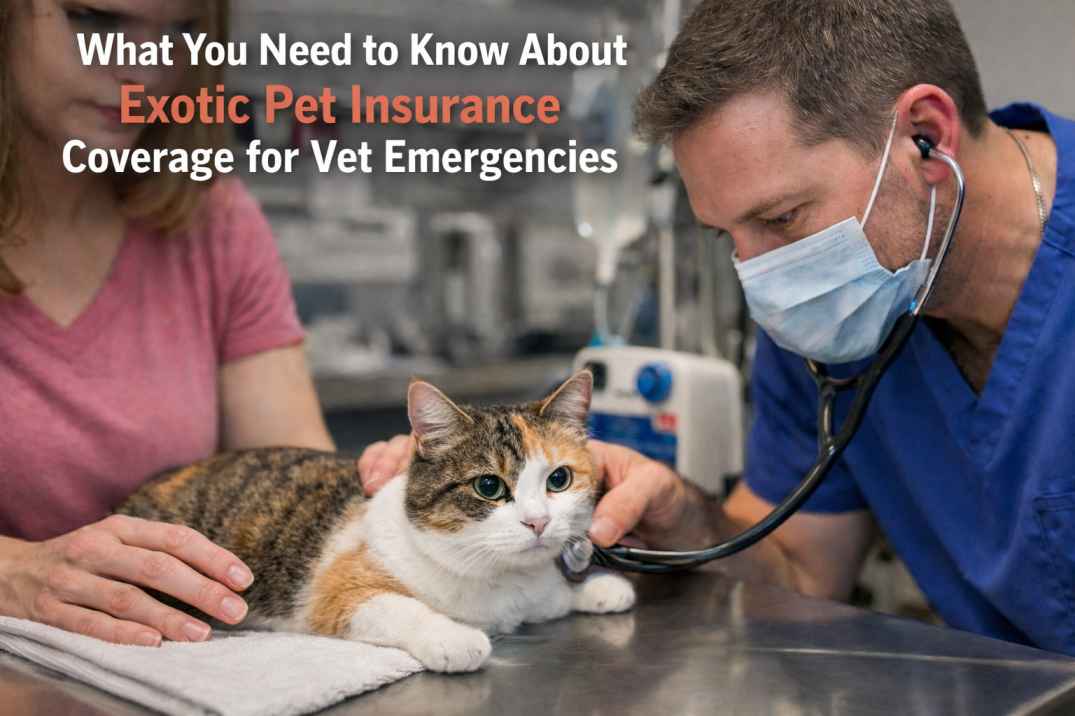
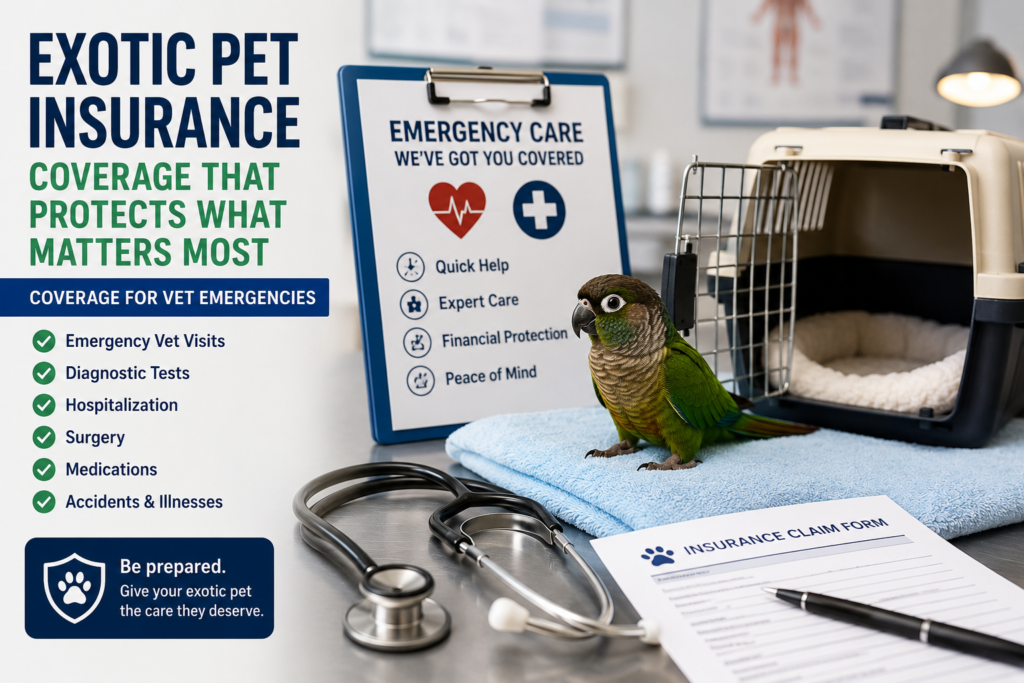
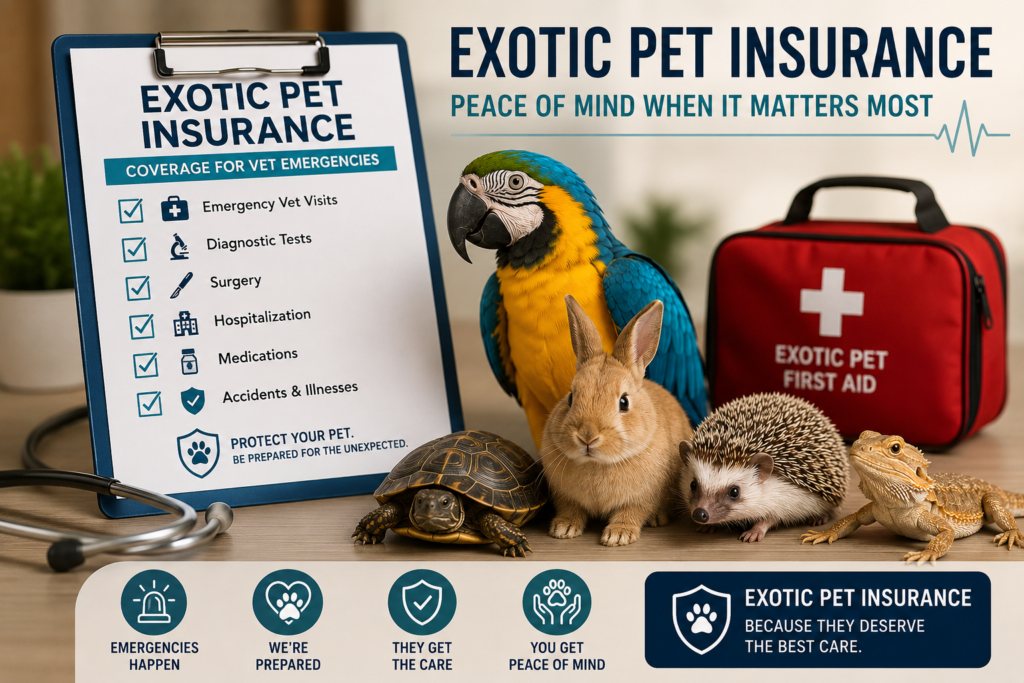
Unexpected illnesses and accidents can happen at any time. Exotic pet insurance helps cover emergency veterinary care, giving pet owners greater peace of mind.
Exotic Pet Emergencies Can Happen at Any Time
Owning an exotic pet insurance is a unique and rewarding experience, but it also comes with responsibilities that many traditional pet owners never face. Animals such as parrots, bearded dragons, snakes, turtles, rabbits, ferrets, hedgehogs, sugar gliders, and other exotic species often require specialized veterinary care. Unfortunately, when a medical emergency happens, the cost of treatment can be surprisingly high.If you’re new to pet insurance, you may also want to read our guide on Pet wellness coverage to understand how different coverage options work.
Unlike cats and dogs, exotic pets cannot always be treated at a regular veterinary clinic. Instead, they usually need an exotic animal veterinarian who has advanced training and specialized equipment. As a result, emergency appointments, diagnostic testing, surgery, and hospitalization can cost hundreds or even thousands of dollars.
This is where exotic pet insurance coverage becomes extremely valuable. A comprehensive insurance plan can reduce your financial burden by helping pay for emergency vet visits, surgeries, hospitalization, medications, and other unexpected medical expenses. Instead of worrying about how to afford treatment, you can focus on getting your pet the care it needs as quickly as possible.
In this guide, you’ll learn how exotic pet insurance works, what emergency situations are typically covered, what exclusions to watch for, how claims are processed, and how to choose the best policy for your unique pet.
What Is Exotic Pet Insurance Coverage?
Exotic pet insurance coverage is a type of health insurance designed specifically for animals that are not considered traditional household pets. While most pet insurance companies focus on cats and dogs, several providers now offer policies that protect birds, reptiles, amphibians, rabbits, ferrets, hedgehogs, sugar gliders, and many other unusual companion animals.
The purpose of this insurance is simple: to help owners manage unexpected veterinary expenses caused by accidents or illnesses.
Depending on the policy, coverage may include:
- Emergency veterinary care
- Accidents and injuries
- Diagnostic tests
- Surgery
- Hospitalization
- Prescription medications
- Specialist consultations
- Laboratory testing
- Imaging such as X-rays, CT scans, and ultrasounds
- Follow-up appointments after treatment
Some insurance companies also offer wellness plans that help cover preventive care, although these are usually optional add-ons rather than part of standard coverage.
The exact benefits depend on the insurance provider and the plan you choose. Reading NAPHIA policy carefully before purchasing can help you understand what is included and what requires additional coverage.
Why Emergency Coverage Is So Important for Exotic Pets
Many people assume that smaller animals cost less to treat. Unfortunately, the opposite is often true.
Exotic pets require veterinarians with specialized knowledge, advanced diagnostic equipment, and experience handling species that behave very differently from cats and dogs. Finding an emergency veterinarian who treats reptiles, birds, or small mammals can also be difficult, especially during nights, weekends, or holidays.
Because of these challenges, emergency treatment for exotic pets often costs significantly more than owners expect.
For example, your pet may suddenly experience:
- Difficulty breathing
- Broken bones after a fall
- Egg binding in birds or reptiles
- Intestinal blockage
- Severe infections
- Heat-related illness
- Poisoning
- Internal bleeding
- Neurological disorders
- Serious injuries caused by enclosure accidents
Without insurance, even a single emergency visit can place a heavy financial burden on pet owners.
Having insurance means you won’t have to delay treatment simply because of cost.
Which Exotic Animals Can Be Covered?
Insurance companies vary in the animals they accept, but many plans cover a surprisingly wide variety of exotic pets.
Commonly insured species include:
Birds
- African Grey Parrots
- Macaws
- Cockatiels
- Lovebirds
- Conures
- Cockatoos
- Canaries
Birds often require emergency treatment for respiratory illnesses, broken wings, infections, and nutritional disorders.
Reptiles
- Ball Pythons
- Corn Snakes
- Boa Constrictors
- Bearded Dragons
- Leopard Geckos
- Iguanas
- Chameleons
- Tortoises
- Aquatic Turtles
Reptiles commonly experience metabolic bone disease, burns from heating equipment, respiratory infections, digestive blockages, and egg-binding complications.
Small Mammals
Many insurance companies also cover:
- Rabbits
- Ferrets
- Hedgehogs
- Guinea Pigs
- Chinchillas
- Sugar Gliders
- Hamsters
- Rats
- Mice
These animals frequently need treatment for dental disease, gastrointestinal issues, injuries, urinary problems, and respiratory infections.
Some insurers may even insure amphibians and other uncommon species, although availability depends on the provider.
Why Emergency Veterinary Bills Can Be So Expensive
Many first-time exotic pet owners are surprised by how quickly emergency costs can increase.
Unlike routine checkups, emergency situations often require immediate testing and intensive treatment.
A typical emergency visit may include:
| Service | Possible Cost |
|---|---|
| Emergency examination | $100–$300 |
| Blood tests | $80–$300 |
| X-rays | $150–$500 |
| Ultrasound | $250–$700 |
| Oxygen therapy | $100–$400 |
| Hospitalization | $300–$1,500+ |
| Emergency surgery | $800–$5,000+ |
| Prescription medications | $50–$300 |
The final bill depends on several factors, including your pet’s species, the complexity of the condition, your location, and the type of veterinary hospital providing care.
Because these costs can add up quickly, many owners find that insurance pays for itself after just one serious emergency.
How Exotic Pet Insurance Provides Peace of Mind
One of the greatest benefits of insurance is the confidence it gives pet owners during stressful situations.
Instead of asking:
“Can I afford this surgery?”
you can focus on questions like:
- What treatment offers the best chance of recovery?
- How quickly can my pet receive care?
- What follow-up treatment will be needed?
Knowing that a large portion of eligible expenses may be reimbursed allows owners to make decisions based on their pet’s health rather than financial limitations.
For families who consider their exotic pets to be important members of the household, this peace of mind can be invaluable.
Does Exotic Pet Insurance Cover Emergency Vet Visits?
One of the biggest reasons pet owners purchase insurance is to protect themselves from unexpected emergency veterinary expenses. A single emergency visit can cost several hundred dollars before treatment even begins. Fortunately, many comprehensive exotic pet insurance plans include emergency care for covered accidents and illnesses.
Emergency coverage generally applies when your pet requires immediate medical attention to prevent serious health complications, permanent injury, or death. Whether your rabbit suddenly stops eating, your parrot develops breathing problems, or your bearded dragon suffers an injury, insurance can help reduce the financial burden of urgent treatment.
However, it’s important to remember that coverage varies between insurance providers. Some basic policies only cover accidents, while premium plans include both accidents and illnesses. Reading the policy details before purchasing insurance helps you understand exactly what situations qualify for reimbursement.
What Happens During an Emergency Vet Visit?
When you bring an exotic pet to an emergency veterinary clinic, the veterinarian’s first priority is stabilizing your pet. Because exotic animals often hide signs of illness until their condition becomes severe, quick medical evaluation is extremely important.
During the visit, the veterinarian may perform:
- A complete physical examination
- Temperature and weight assessment
- Heart and respiratory monitoring
- Hydration evaluation
- Pain assessment
- Immediate stabilization if needed
Depending on your pet’s condition, additional diagnostic procedures may also be recommended before treatment begins.
Many insurance policies reimburse these emergency examination costs if the visit is related to a covered accident or illness.
Diagnostic Tests Usually Covered
Emergency treatment often requires diagnostic testing to determine the exact cause of your pet’s illness or injury. These tests help veterinarians develop the safest and most effective treatment plan.
Many comprehensive insurance plans help pay for diagnostic procedures such as:
Blood Tests
Blood work allows veterinarians to evaluate:
- Organ function
- Blood sugar levels
- Signs of infection
- Anemia
- Liver disease
- Kidney disease
- Electrolyte imbalances
For birds and reptiles, blood testing can provide valuable information before anesthesia or surgery.
X-Rays (Radiographs)
Radiographs are commonly used to diagnose:
- Broken bones
- Egg binding
- Digestive blockages
- Foreign object ingestion
- Lung disease
- Internal injuries
Because reptiles and birds have very different anatomy than cats and dogs, experienced exotic veterinarians know how to interpret these specialized images accurately.
Ultrasound
Ultrasound helps veterinarians examine internal organs without surgery.
It may be used for:
- Liver disease
- Kidney problems
- Reproductive disorders
- Tumors
- Internal bleeding
- Fluid accumulation
Advanced diagnostic imaging often increases treatment costs, making insurance especially valuable.
Laboratory Testing
Additional laboratory tests may include:
- Fecal examinations
- Parasite testing
- Bacterial cultures
- Fungal testing
- Urine analysis
These tests help identify infections and guide proper treatment.
Hospitalization Coverage
Some emergency situations require pets to remain in the hospital for observation and supportive care.
Hospitalization may include:
- Continuous monitoring
- Oxygen support
- Intravenous (IV) fluids
- Nutritional support
- Temperature regulation
- Pain management
- Medication administration
For small animals and reptiles, hospitalization is often necessary because they can deteriorate rapidly without constant monitoring.
Many insurance plans cover hospitalization costs after deductibles and reimbursement percentages are applied.
Does Exotic Pet Insurance Cover Emergency Surgery?
Yes. Most comprehensive accident-and-illness insurance plans cover emergency surgery when it is medically necessary.
Surgery is often one of the most expensive parts of emergency veterinary care. Depending on the complexity of the procedure, costs may range from several hundred dollars to several thousand dollars.
Insurance helps reduce these unexpected expenses, allowing owners to approve life-saving procedures without delaying treatment. You can also explore our article on How to Choose the Best Exotic Pet Insurance quotes for tips on comparing policies and coverage options.
Common Emergency Surgeries That May Be Covered
Insurance may reimburse surgeries performed for covered medical conditions, including:
Foreign Object Removal
Some exotic pets accidentally swallow bedding, toys, plastic pieces, or cage materials.
If the object blocks the digestive tract, emergency surgery may be necessary to remove it before life-threatening complications occur.
Fracture Repair
Birds frequently suffer broken wings or legs after flying into windows or falling from perches.
Reptiles and rabbits may also experience fractures due to accidents or improper handling.
Surgical repair may involve pins, plates, or specialized orthopedic procedures.
Tumor Removal
Although not every tumor requires emergency surgery, rapidly growing masses or tumors affecting internal organs sometimes require immediate removal.
Insurance often covers surgery when the condition is not considered pre-existing.
Egg Binding Surgery
Female birds and reptiles occasionally become egg-bound, meaning they cannot pass eggs naturally.
Without immediate veterinary treatment, egg binding can become life-threatening.
Emergency surgery may be required if medical treatment fails.
Gastrointestinal Surgery
Digestive blockages can occur when pets swallow foreign materials or develop severe intestinal disease.
Surgical treatment may involve:
- Removing blockages
- Repairing damaged intestines
- Treating intestinal twisting
- Removing diseased tissue
These procedures are commonly included under comprehensive insurance plans.
Emergency Treatments Beyond Surgery
Not every emergency requires an operation. Many exotic pets recover with intensive medical treatment instead.
Insurance may also help cover treatments such as:
- Oxygen therapy
- IV fluid therapy
- Injectable medications
- Pain relief
- Antibiotics
- Anti-inflammatory drugs
- Wound cleaning
- Bandaging
- Nutritional feeding support
These treatments are essential for stabilizing critically ill animals before they can recover.
Real-Life Emergency Example
Imagine your pet rabbit suddenly stops eating and becomes unusually quiet. After several hours, you notice signs of severe abdominal pain and difficulty moving.
You immediately visit an emergency exotic veterinarian.
The veterinarian performs:
- Physical examination
- Blood work
- X-rays
- Ultrasound
- Hospitalization
- Emergency surgery to remove an intestinal blockage
Without insurance, the total bill could easily exceed several thousand dollars.
If your insurance policy reimburses 90% of eligible expenses after your deductible, your out-of-pocket costs could be significantly lower, making advanced treatment much more affordable.
Why Fast Treatment Matters
Exotic animals often hide signs of illness until they become critically sick. By the time symptoms are obvious, immediate veterinary care may be the only way to save their lives.
Delaying treatment can lead to:
- More severe illness
- Higher medical costs
- Longer recovery times
- Reduced survival chances
Having insurance encourages pet owners to seek veterinary care promptly rather than waiting because of financial concerns. Early diagnosis and treatment not only improve outcomes but can also reduce the overall cost of care.
What Is Not Covered by Exotic Pet Insurance?
Although exotic pet insurance can significantly reduce unexpected veterinary expenses, it does not cover every type of medical care. Every insurance provider has exclusions, limitations, and policy conditions that determine when reimbursement is available.
Understanding these exclusions before purchasing a policy can help you avoid unexpected claim denials and better prepare for your pet’s healthcare needs.
The following are some of the most common exclusions found in exotic pet insurance policies.
1. Pre-Existing Conditions
The most common exclusion is pre-existing conditions. A pre-existing condition is any illness, injury, or medical issue that existed before your insurance policy became active or before the waiting period ended.
For example:
- A rabbit diagnosed with dental disease before enrollment.
- A parrot treated for chronic respiratory infections.
- A snake with an ongoing skin infection.
- A tortoise already suffering from shell rot.
If these conditions were present before coverage began, future treatment related to them is generally not reimbursed. This is why many veterinarians recommend purchasing insurance while your exotic pet is still young and healthy.
2. Routine Wellness Care
Standard insurance plans are designed for unexpected illnesses and accidents—not routine healthcare.
Basic policies usually do not cover:
- Annual wellness exams
- Nail trimming
- Wing clipping
- Routine fecal examinations
- Vaccinations (where applicable)
- Preventive parasite treatment
- General health screenings
Some companies offer wellness plans as optional add-ons that help pay for preventive care.
3. Cosmetic or Elective Procedures
Insurance also excludes procedures that are not medically necessary.
Examples include:
- Cosmetic beak shaping
- Elective nail maintenance
- Non-medical grooming
- Optional procedures requested by the owner
Because these treatments are considered elective rather than essential, reimbursement is generally unavailable.
4. Breeding-Related Expenses
Many insurance providers do not cover medical expenses directly related to breeding.
Examples include:
- Pregnancy complications
- Fertility treatments
- Breeding management
- Neonatal care for offspring
Always read your policy carefully if your exotic pet is used for breeding purposes.
5. Neglect or Improper Husbandry
Insurance companies expect owners to provide appropriate care for their pets.
Claims may be denied if illness results from:
- Poor nutrition
- Unsanitary living conditions
- Incorrect enclosure temperatures
- Improper humidity
- Lack of UVB lighting for reptiles
- Failure to seek timely veterinary care
For example, if a bearded dragon develops metabolic bone disease because it lacked proper UVB lighting and calcium supplementation, the insurer may determine that the illness resulted from improper husbandry rather than an unexpected medical condition.
Understanding Waiting Periods
Nearly every pet insurance policy includes a waiting period.
A waiting period is the amount of time you must wait after purchasing insurance before coverage begins. Waiting periods help prevent people from buying insurance only after their pet becomes sick or injured.
Typical waiting periods include:
| Coverage Type | Typical Waiting Period |
|---|---|
| Accidents | 1–5 days |
| Illnesses | 14–30 days |
| Orthopedic conditions | Several months (varies by provider) |
If your pet becomes ill during the waiting period, the condition may be classified as pre-existing and therefore not covered.
For this reason, enrolling early is one of the smartest decisions an exotic pet owner can make.
How the Claims Process Works
Most exotic pet insurance companies use a reimbursement model. Unlike human health insurance, the insurance company usually does not pay the veterinarian directly.
Instead, the process works like this:
Step 1: Visit the Veterinarian
Take your pet to a licensed veterinarian or emergency exotic animal hospital as soon as symptoms appear. Do not delay emergency treatment while waiting for insurance approval.
Step 2: Pay the Veterinary Bill
In most cases, you’ll pay the veterinary clinic before leaving.
Keep every document you receive, including:
- Detailed invoices
- Payment receipts
- Medical records
- Laboratory reports
- X-rays (if provided)
- Surgery notes
These documents will be required when filing your insurance claim.
Step 3: Submit Your Claim
Most insurance companies allow claims to be submitted online through:
- Mobile apps
- Customer portals
- Online claim forms
Be sure to upload all requested documents to avoid processing delays.
Step 4: Claim Review
The insurance company reviews your claim to verify:
- Your policy was active.
- The waiting period had ended.
- The illness or injury is covered.
- The condition is not pre-existing.
- The treatment was medically necessary.
Some claims are processed within a few days, while more complex cases may take longer.
Step 5: Receive Reimbursement
After approval, you’ll receive reimbursement based on your policy.
For example:
Veterinary Bill: $2,000
Deductible: $200
Eligible Expenses: $1,800
Reimbursement Rate: 90%
Insurance Pays: $1,620
Your Final Cost: $380
This example shows how insurance can dramatically reduce the financial impact of emergency veterinary care.
What Determines Your Insurance Premium?
The amount you pay each month depends on several important factors.
Species of Pet
Some animals are more expensive to insure because they require specialized veterinary care.
For example:
- Large parrots often cost more to insure than smaller birds.
- Rare reptiles may have higher premiums.
- Ferrets and rabbits may have different pricing based on common health risks.
Age
Young, healthy pets usually qualify for lower premiums.
Older pets often cost more because they have a higher risk of illness and emergency treatment.
Geographic Location
Veterinary costs vary across the United States.
Owners living in areas with higher veterinary fees may pay slightly higher insurance premiums.
Coverage Level
Policies with broader protection naturally cost more.
Plans that include:
- Emergency care
- Surgery
- Hospitalization
- Prescription medications
- Diagnostic testing
- Specialist care
will generally have higher monthly premiums than accident-only plans.
Deductible
Choosing a higher deductible often lowers your monthly premium.
However, you’ll pay more out of pocket before insurance begins reimbursing expenses.
Finding the right balance between deductible and monthly cost is important for long-term affordability.
Tips to Maximize Your Insurance Coverage
To get the greatest value from your exotic pet insurance policy, consider the following best practices:
Purchase Insurance Early
Buying insurance before health problems develop helps prevent future conditions from being classified as pre-existing.
Keep Complete Medical Records
Maintain organized copies of:
- Veterinary invoices
- Vaccination records (if applicable)
- Laboratory reports
- Diagnostic imaging
- Surgical notes
- Prescription information
Good documentation helps speed up claim approvals.
Follow Recommended Husbandry Guidelines
Proper nutrition, housing, temperature control, humidity, and lighting are essential for exotic pets. Following veterinary recommendations not only keeps your pet healthier but also reduces the risk of claim disputes related to neglect.
Visit Qualified Exotic Animal Veterinarians
Whenever possible, seek care from veterinarians experienced in treating your specific species. Specialized care improves treatment outcomes and ensures accurate medical documentation for insurance claims. For emergency poisoning advice, visit the ASPCA Animal Poison Control Center.
Review Your Policy Every Year
Insurance providers occasionally update coverage options, deductibles, reimbursement rates, and policy terms. Reviewing your policy annually helps ensure it continues to meet your pet’s changing healthcare needs. For more ways to reduce veterinary expenses, check out our guide on Pet Insurance Plans for unusual Exotic Pets.
Final Thoughts
Unexpected emergencies can happen to any exotic pet, and treatment costs can add up quickly. Therefore, choosing the right insurance policy before health problems arise can help protect both your pet and your budget. Additionally, understanding your coverage, exclusions, and claims process is essential. As a result, you’ll be better prepared to make informed decisions when your pet needs urgent care. Ultimately, being prepared in advance can reduce financial stress and improve your pet’s chances of receiving timely treatment. In short, the right insurance policy offers valuable peace of mind when emergencies occur.
About the Author