
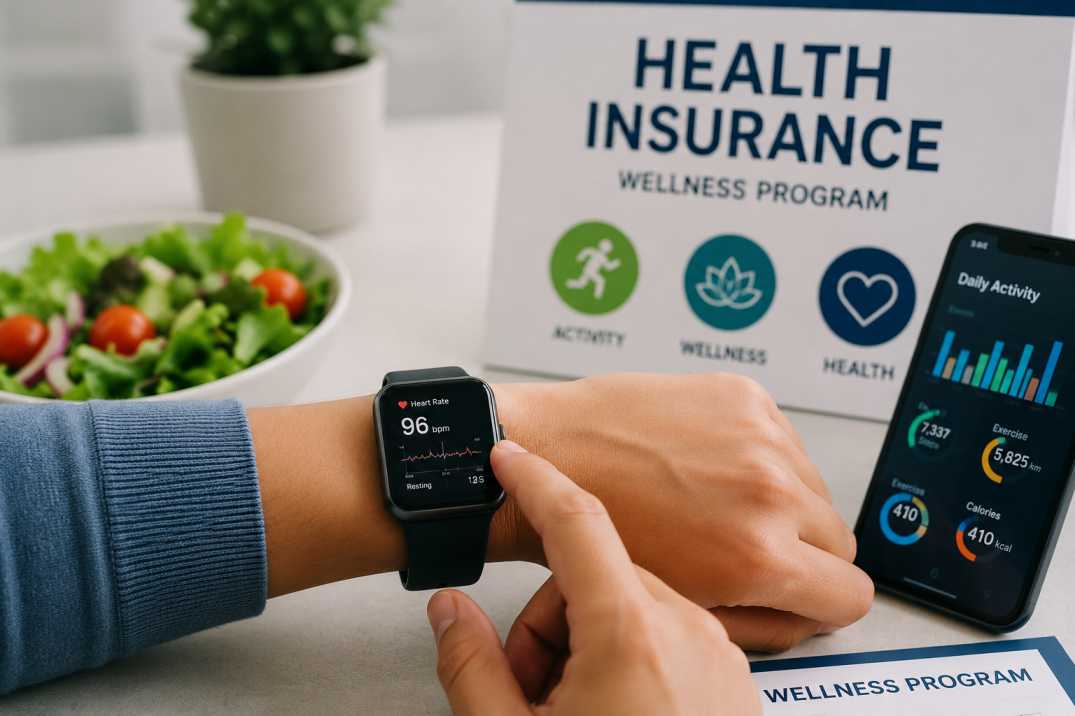
Wearables that lower health insurance premiums are becoming more common as insurers expand wellness and rewards programs. Fitness trackers and smartwatches can help users monitor activity, improve daily habits, and sometimes qualify for discounts or rewards through approved health programs.
In many cases, insurance companies encourage preventive health habits by rewarding policyholders who stay active and consistently track fitness goals. As a result, wearable technology may support both better health awareness and lower healthcare-related costs over time.
What Are Wearable Devices?
Wearable devices are electronic tools that track health and fitness information throughout the day. Popular examples include fitness trackers and smartwatches from brands like Fitbit, Garmin, and Apple Watch.
Most wearable devices can monitor:
- Daily step counts
- Calories burned
- Heart rate
- Sleep quality
- Workout activity
- Distance traveled
Because these devices sync with mobile apps, users can review progress easily. In turn, they may become more motivated to maintain healthier routines.
How Wearables That Lower Health Insurance Premiums Work
Some insurers offer wellness programs that reward healthy behavior. When users voluntarily share wearable data, they may qualify for discounts, cashback rewards, or wellness points after reaching activity goals.
For example, a policyholder who regularly completes step goals or exercise targets may receive program benefits. However, every insurance company uses different rules, reward systems, and participation requirements.
Depending on the insurer, possible rewards may include:
- Lower monthly premiums
- Cashback or gift card rewards
- Gym membership discounts
- Access to wellness coaching
- Points redeemable for products or services
To learn more about consumer health privacy practices, visit the U.S. Department of Health & Human Services HIPAA resource. In addition, details about wearable health technology can be found on the CDC physical activity guide.
Benefits of Wearable Technology
Wearable devices offer more than possible insurance savings. They also help users stay aware of daily habits and fitness progress. Furthermore, many people find that tracking activity encourages long-term consistency.
Encourages Regular Activity
Daily reminders, movement alerts, and exercise tracking can motivate users to stay active throughout the week. As a result, even small improvements may turn into long-term habits.
Provides Useful Health Insights
Many smartwatches provide information about sleep quality, workout intensity, and heart rate trends. Therefore, users can better understand overall wellness patterns and lifestyle habits.
Supports Preventive Wellness Goals
Healthy habits may reduce certain long-term health risks. Because of this, some insurance companies support wearable-based wellness programs as part of preventive care efforts.
Privacy and Data Sharing
Before joining a wearable wellness program, users should understand how their information is collected and stored. Although many major brands use secure systems, reviewing privacy policies is still important.
Users should carefully check:
- What data is shared
- How long data is stored
- Whether participation is optional
- How insurers use the information
In addition, users should confirm whether they can stop sharing data at any time. Reading the terms carefully can help avoid confusion later.
Are Wearables Worth Using for Insurance Rewards?
Wearables that lower health insurance premiums may benefit people who already enjoy tracking fitness and wellness goals. While savings vary between insurance providers, many users appreciate the extra motivation and rewards.
At the same time, it is important to compare privacy policies, program requirements, and reward structures before participating. Ultimately, wearable technology works best when it supports healthy habits in a realistic and sustainable way.
About the Author