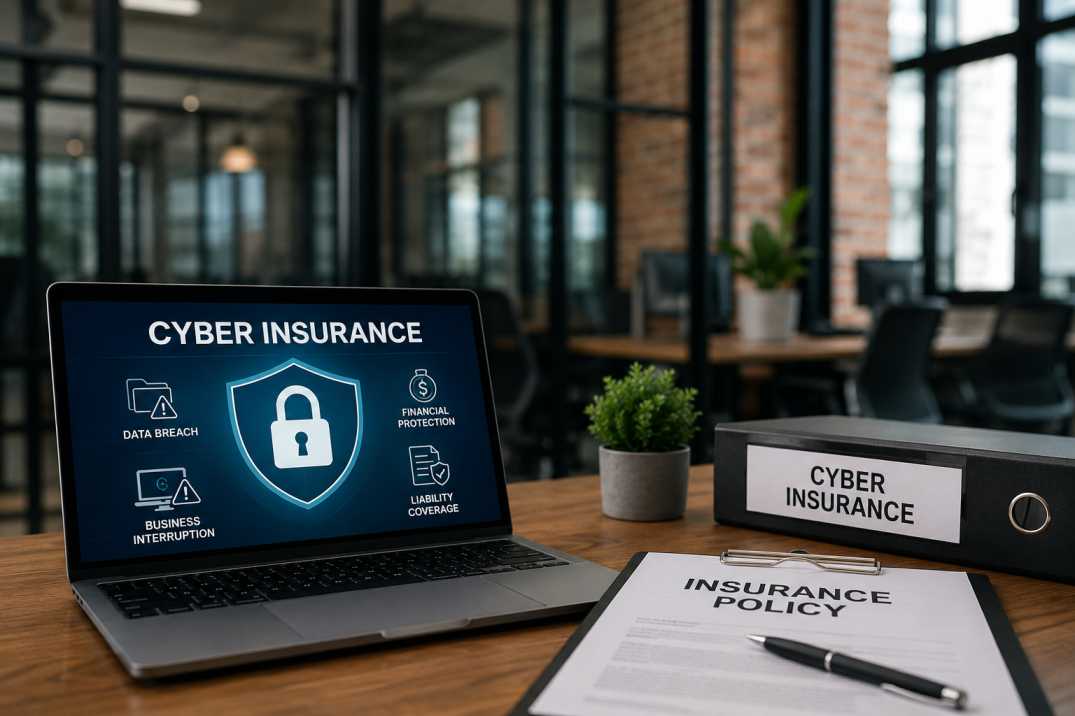
Cyber insurance for SMBs is becoming more important as AI-powered cyber attacks continue to grow. Small and medium-sized businesses now face higher risks from ransomware, phishing scams, and data breaches. Because many SMBs have smaller IT teams and limited security budgets, they are often easier targets for cybercriminals.
At the same time, artificial intelligence is helping hackers automate attacks and find system weaknesses faster. As a result, many business owners are looking for ways to reduce financial losses and recover more quickly after an incident. Cyber insurance can help businesses manage these risks while supporting recovery efforts after a cyber event.
According to the Cybersecurity and Infrastructure Security Agency (CISA), businesses should combine insurance coverage with strong cybersecurity practices to reduce digital threats.
Why AI Cyber Threats Are Increasing
AI-powered attacks are becoming more advanced every year. For example, cybercriminals now use AI to create realistic phishing emails, automate password attacks, and scan networks for vulnerabilities in less time.
In addition, fake voice recordings and AI-generated messages can trick employees into sharing sensitive information. Therefore, even smaller businesses are now exposed to risks that once mainly affected large corporations.
Businesses that rely on cloud systems, online payments, customer databases, or remote work platforms may face greater exposure to cyber threats.
What Cyber Insurance for SMBs Typically Covers
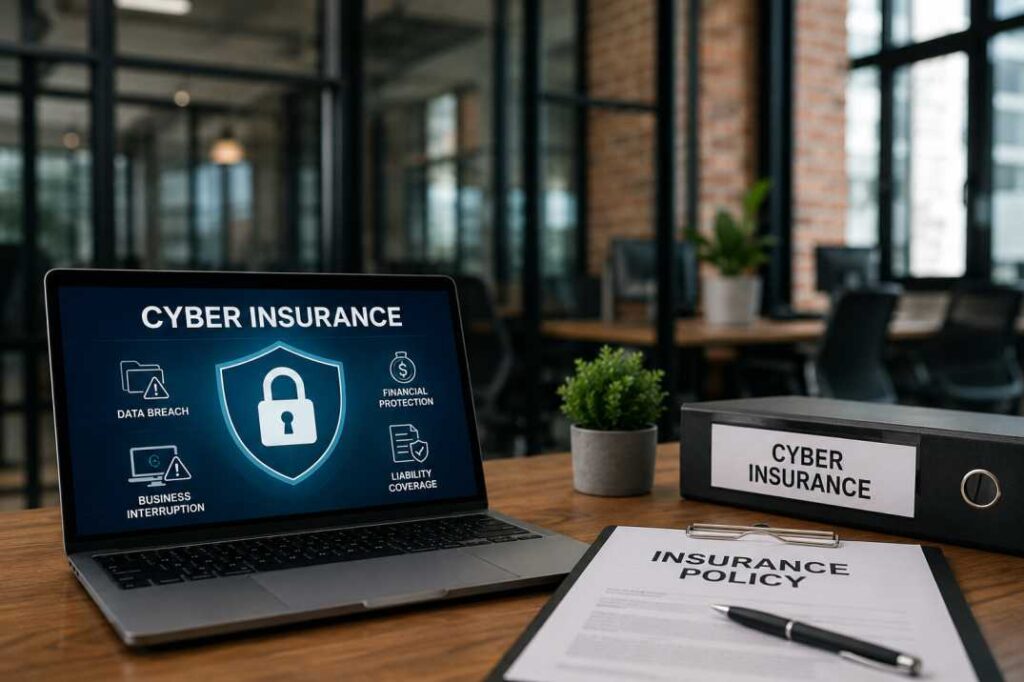
Cyber insurance policies vary by provider. However, many plans include financial protection for common cyber incidents that affect small businesses.
Business Interruption Costs
If a cyber attack shuts down business operations, cyber insurance may help cover lost income and ongoing expenses during downtime.
Data Breach Response
Many policies include support for customer notifications, forensic investigations, and data recovery services after a breach.
Liability Protection
If customer or employee information is exposed, cyber insurance may help with legal claims, settlements, and regulatory expenses.
Ransomware and Cyber Extortion
Some policies provide support for ransomware recovery costs and cyber extortion incidents, depending on the policy terms and conditions.
Reputation Management
After a cyber incident, businesses may receive assistance with public communication and reputation recovery efforts.
You can also review cybersecurity guidance from the Federal Trade Commission to better understand common risks facing small businesses.
Why SMBs Need Cyber Insurance
Many SMB owners believe hackers mainly target large companies. However, smaller businesses are often easier to attack because they may not have advanced cybersecurity systems.
Without cyber insurance, businesses may struggle with:
- Extended downtime and lost revenue
- Recovery and restoration costs
- Loss of customer information
- Legal and compliance expenses
- Damage to customer trust
As cyber threats continue to evolve, cyber insurance for SMBs can provide important financial support during recovery.
Common Cyber Insurance Exclusions
Before choosing a policy, business owners should understand what may not be covered. This step can help avoid unexpected surprises later.
- Known security issues that were never fixed
- Intentional actions by employees or contractors
- Failure to follow basic cybersecurity standards
- Cyber incidents that happened before coverage started
Therefore, it is important to read policy details carefully and ask questions before purchasing coverage.
How SMBs Can Reduce AI Cyber Threats
Cyber insurance works best when paired with strong security practices. In many cases, insurers may also require businesses to follow minimum cybersecurity standards.
Use Multi-Factor Authentication
Multi-factor authentication adds another layer of protection and helps prevent unauthorized access.
Train Employees Regularly
Employee training can help staff identify phishing emails, suspicious links, and social engineering attempts.
Keep Systems Updated
Regular software updates can reduce security vulnerabilities that attackers may try to exploit.
Limit Access to Sensitive Data
Restricting data access by employee role can reduce the impact of compromised accounts.
Create an Incident Response Plan
A response plan helps businesses react faster during a cyber incident. As a result, recovery efforts may become more organized and efficient.
How to Choose the Right Cyber Insurance Policy
When comparing policies, SMB owners should review coverage limits, exclusions, claim procedures, and support services carefully.
In addition, businesses should confirm whether the policy covers ransomware recovery, third-party liability, and regulatory expenses. Working with an experienced insurance professional may also help businesses select coverage that fits their industry and level of risk.
Final Thoughts on Cyber Insurance for SMBs
AI cyber threats are changing quickly, and small businesses cannot afford to ignore digital security risks. Cyber insurance for SMBs can provide valuable financial protection when combined with strong cybersecurity practices.
By reviewing coverage options, understanding exclusions, and improving internal security measures, SMBs can better prepare for cyber incidents and reduce long-term business disruption.
About the Author