Third Party vs Comprehensive Insurance: Which One Should You Choose?
As a driver in the UK, choosing the right car insurance policy can feel confusing, especially when comparing third party vs comprehensive insurance. With different levels of protection available, it’s important to understand what each option covers and how it affects your costs and financial security.
In this guide on third party vs comprehensive insurance, we’ll clearly explain the key differences, benefits, and drawbacks of both policies. By the end, you’ll be able to decide which type of cover best suits your needs and budget.
What is Third-Party Insurance?
Third-party insurance, also known as third-party only (TPO) coverage, is the minimum level of car insurance required by UK law. It provides protection for other drivers, pedestrians, or vehicle occupants injured in an accident caused by your negligence. This type of policy does not cover damage to your own vehicle.
What is Comprehensive Insurance?
Comprehensive insurance, on the other hand, offers more extensive coverage, including repairs to your own vehicle, regardless of fault. This type of policy covers damage caused by:
• Theft
• Fire
• Accidents involving animals or natural disasters
• Vandalism
Key Difference Between Third Party and Comprehensive Insurance
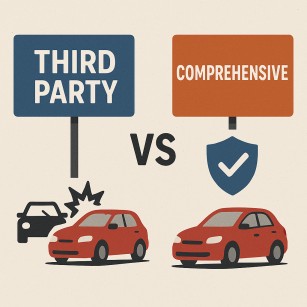
When understanding third party vs comprehensive insurance, the key difference is coverage level. Third-party insurance only pays for damage or injury you cause to others, while comprehensive insurance also covers your own vehicle against accidents, theft, and fire. Choosing between third party vs comprehensive insurance depends on how much protection and financial security you want.
Pros and Cons of Third-Party Insurance:
Pros:
• Typically cheaper than comprehensive insurance
• Minimum requirement for UK drivers
Cons:
• Only provides coverage for third-party damages
• Doesn’t cover damage to your own vehicle
• May not provide adequate protection in the event of an accident
Pros and Cons of Comprehensive Insurance:
Pros:
• Provides more extensive coverage, including repairs to your own vehicle
• Can help protect your assets in the event of a lawsuit
Cons:
• Generally more expensive than third-party insurance
• Requires you to pay excess fees for certain claims
Who is Best Suited for Third Party vs Comprehensive?
Third-Party Insurance:
Suitable for:
* Low-value vehicles (older or cheaper cars)
* Those on a tight budget
* Young drivers looking to keep costs low
Comprehensive Insurance:
Suitable for:
* Newer, higher-value vehicles (to protect your investment)
* Drivers who want added peace of mind
* Those with assets that could be at risk in the event of a lawsuit
Practical Tips For Third Party vs Comprehensive :
Compare quotes:
Shop around to find the best deals on both third-party and comprehensive insurance.
Consider your driving habits:
If you’re an experienced driver with a good claims history, you may qualify for lower premiums.
Add optional extras:
Consider adding features like windscreen cover or personal accident cover to enhance your policy.
Multi-Car Insurance Policies
If you’re comparing third party vs comprehensive insurance for more than one vehicle, Multi-Car Insurance Policies can be a smart option. These policies allow you to insure multiple cars under one plan, often at a discounted rate. Whether you choose third-party or comprehensive cover for each vehicle, multi-car plans help you manage payments easily while saving money.[Multi-Car Insurance Policies]
Learn More from Trusted Insurance Sources
To better understand third party vs comprehensive insurance, it’s also helpful to explore official insurance providers and comparison websites. External resources can give you updated pricing details, policy terms, and legal requirements in the UK. Reviewing expert guides will help you confidently decide which level of cover best fits your driving needs and budget.[Third Party VS Comprehensive Insurance]
Conclusion:
Choosing between third-party and comprehensive insurance ultimately depends on your individual circumstances and priorities. By understanding the pros and cons of each, you can make an informed decision that suits your needs. Remember, it’s always a good idea to compare quotes and consider your driving habits before selecting a policy. Don’t wait – get started today and find the right coverage for your vehicle.
Ready to Compare Quotes?
Get a head start on finding the best car insurance deal by comparing quotes from top UK providers. Simply enter your details, and we’ll provide you with a range of options to choose from.
About the Author